
What Florida Homeowners Should Know About Solar Panel Installation
Share:
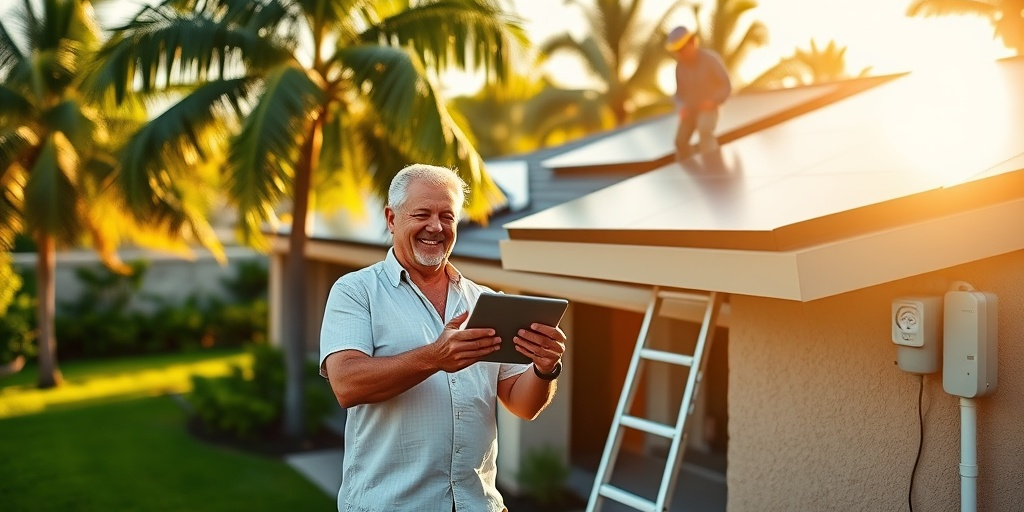
As the sun-drenched state of Florida braces for another year, 2025 looms on the horizon, promising not just the heat of summer but also an urgent opportunity for homeowners to harness the power of solar energy. Did you know that Florida ranks second among states for its solar capacity? In fact, the state produced an impressive 4,632 megawatts of solar power in 2022 alone (SEIA.org). This transformation in energy production isn’t just a passing trend; it’s a pivotal shift in how Floridians can optimize their electricity consumption and save significantly on utility costs. However, many remain uncertain about the ins and outs of solar panel installation. In this article titled What Florida Homeowners Should Know About Solar Panel Installation, we will dissect the fundamentals of solar energy adoption in Florida, ensuring that you understand everything necessary for a smooth installation journey.
The urgency to switch to solar power has never been more pressing. With electricity prices surging—an increase of approximately 11% expected in 2025—homeowners are feeling the squeeze of escalating costs (Energy.gov). Solar energy emerges as a beacon of hope, not only for the financial relief it offers but also for its role in supporting a cleaner, more sustainable environment. But before you make any decisions, it’s essential to know what to expect from the installation process and how to maximize your solar investment.
In this guide, we will cover:
- Deep dive into inspiring stories and best practices from Florida homeowners.
- Actionable checklists to streamline your solar journey.
- Myths and misconceptions that need busting.
- The local landscape of solar energy in Florida.
- Technical insights that demystify solar technologies.
By the end of this piece, you will be equipped with crucial insights about solar panel installation and prepared to make an informed decision about transitioning to solar energy in your Florida home.
The Journey Toward Solar Excellence in Florida
Meet Alex, a Florida homeowner who navigated the world of solar power with enthusiasm but also faced challenges along the way. Like many, he was captivated by the allure of cutting his electric bill and contributing to a greener future. However, the complexities of installation and the knowledge required can be daunting. After extensive research, Alex learned that he wasn’t alone—over 90% of Americans support expanding solar energy, according to a survey from the Solar Energy Industries Association (SEIA.org).
To aid homeowners like Alex, we present a structured checklist to demystify the installation process. Here’s what you need to focus on:
- Research Available Options: Understand the types of solar panels and systems available, including monocrystalline, polycrystalline, and thin-film options.
- Assess Your Roof: Ensure your roof structure can support solar panels. A qualified installer can conduct a professional assessment.
- Check Incentives and Rebates: Florida offers incentives that can significantly reduce your installation costs, such as the federal solar tax credit (currently at 26%).
- Choose an Experienced Installer: Verification of qualifications and customer reviews is crucial. Consider local companies with proven track records.
- Understand Your Financing Options: Review various financing options such as purchase, leases, and Power Purchase Agreements (PPAs) to find the best fit for your budget.
As you embark on your solar journey, it’s important to separate fact from fiction. Many myths surround solar energy that can steer homeowners away from this valuable resource.
Myth-Busters: The Truth About Solar Energy in Florida
Myth #1: Solar Panels are Too Expensive. While the initial investment may seem high, the long-term savings and numerous incentives make solar panels more affordable than ever. For example, the average Florida homeowner can save over $20,000 on electricity costs over 20 years with solar energy (SolarReviews.com).
Myth #2: Solar Energy Only Works in Sunny Conditions. Though Florida enjoys a sunny climate, solar panels can produce energy on cloudy days as well. In fact, modern solar technology allows for energy capture even in less-than-ideal conditions.
Myth #3: You Can’t Sell Your Home with Solar Panels. On the contrary, having solar panels installed can increase your property value. A study by Zillow revealed that homes with solar energy systems sell for about 4% more than similar homes without them.
Myth #4: Battery Storage Isn’t Necessary. While grid-tied systems can function without batteries, a battery storage system can provide energy security during power outages, making it a wise investment for Florida homeowners.
Myth #5: Solar Energy is Not Environmentally Friendly. In fact, solar energy reduces dependence on fossil fuels and lowers greenhouse gas emissions, making it one of the cleanest energy sources available.
Understanding these myths empowers more homeowners in Florida to consider solar energy as a viable and beneficial option. To further emphasize the local focus on solar adoption, Florida’s solar market has seen an impressive growth rate of over 57% in the past five years, positioning the state as a leader in solar energy production (SEIA.org).
5 Expert Solar Installation Tips for 2025
As you consider making the switch to solar, there are best practices that can help optimize your installation experience. Here are five expert tips to ensure a smooth transition:
Tip #1: Don’t Skimp on Panel Placement: Positioning your solar panels for maximum sun exposure is crucial. A well-reflected placement can significantly increase your energy production.
Tip #2: Optimize Your Energy Efficiency First: Before installing solar panels, conduct an energy audit to identify areas for improvement in efficiency. Simple fixes can reduce the amount of energy your solar system needs to produce.
Tip #3: Regular Maintenance is Key: Ensure your system is regularly cleaned and inspected for optimal performance. This will prolong your panel life and maximize output.
Tip #4: Utilize Monitoring Technology: Investing in monitoring systems that track your energy production and consumption will provide insights to optimize your usage further. Many modern systems come equipped with such features.
Tip #5: Stay Informed About Policy Changes: Solar policies can change rapidly. Staying updated on local, state, and federal solar incentives ensures you take full advantage of available savings.
By implementing these tips, you not only enhance your installation experience but also contribute to a more sustainable energy future for Florida.
A Realistic Solar Journey: Understanding the Homeowner Experience
Let’s step into the shoes of Mayra, another Florida homeowner, who recently transitioned to solar. With the rising costs of living and energy, she explored solar installation as a solution. After diligent research, Mayra chose a local installer with glowing reviews. She learned how to engage with her electric bill, measuring how much energy she consumed versus how much her solar panels produced.
From beginning to end, here are the steps Mayra took that can serve as a guideline:
- Conducted an energy audit with an expert.
- Evaluated roof direction and obstacles.
- Research Florida-specific solar incentives.
- Chose high-efficiency solar panels that fit her family’s energy needs.
- Organized permitting with local authorities and scheduled installation.
Post-installation, Mayra was ecstatic to see her electricity bills reduced to nearly zero. She even had the opportunity to reinvest the savings into home improvements. This everyday example shows how solar energy transformation is not just about lower bills; it’s about enhancing quality of life.
As Mayra demonstrated, an informed transition to solar can yield profound benefits. Access to information and local resources can transform skepticism into empowerment.
Next Steps for Florida Solar Buyers in 2025
After delving into solar energy, you may be eager to move forward. Here’s a detailed action plan to streamline your path toward solar adoption:
- Step 1: Audit Your Electric Bill: Begin by analyzing your current energy consumption and costs. Identifying peak usage times can guide sizing your solar system.
- Step 2: Research Incentives: Investigate federal, state, and local incentives for solar installations, which can significantly reduce your overall costs.
- Step 3: Choose a Reputable Installer: Selecting an experienced installer is crucial; check qualifications, customer feedback, and portfolio.
- Step 4: Assess Finances: Evaluate different financing options, whether it’s purchasing, leasing, or entering into a Power Purchase Agreement.
- Step 5: Schedule the Installation: Once you’ve made your choices, schedule a date and prepare your home for the installation team.
By following these steps, you will significantly reduce any hurdles and set yourself up for success with solar energy. For more detailed information, visit floridaelectricandsolar.com.
To wrap up, the journey into solar energy is both exciting and vital for homeowners in Florida. With a mixture of urgency surrounding rising energy costs, the appeal of generous tax incentives, and the pressing need to adopt cleaner energy solutions, the time to consider going solar has never been more pertinent. From uncovering myths about installation and understanding finance, to examining real homeowners’ experiences—each aspect highlights the promising benefits of embracing solar power.
If you’ve ever thought about making the leap to solar or are simply seeking more information, now is the moment to act. The sun is shining brightly, and so are the opportunities that come with it. Embrace the future, save on electric bills, and contribute to a sustainable world.
Ready to start your solar journey in 2025? Connect with a certified expert at floridaelectricandsolar.com today.
Related Articles
More insights about Solar Panel

Florida Homeowners: Why Solar Panel Maintenance Is Essential

7 Essential Steps for Solar Panel Installation Success

Expert Insights: Key Factors Influencing Solar Panel Lifespan
Ready to Go Solar?
Have questions about solar energy? Our experts are here to help you make the switch to clean, renewable energy.