
How One Florida Family Achieved Energy Independence with Solar Battery Storage
Share:
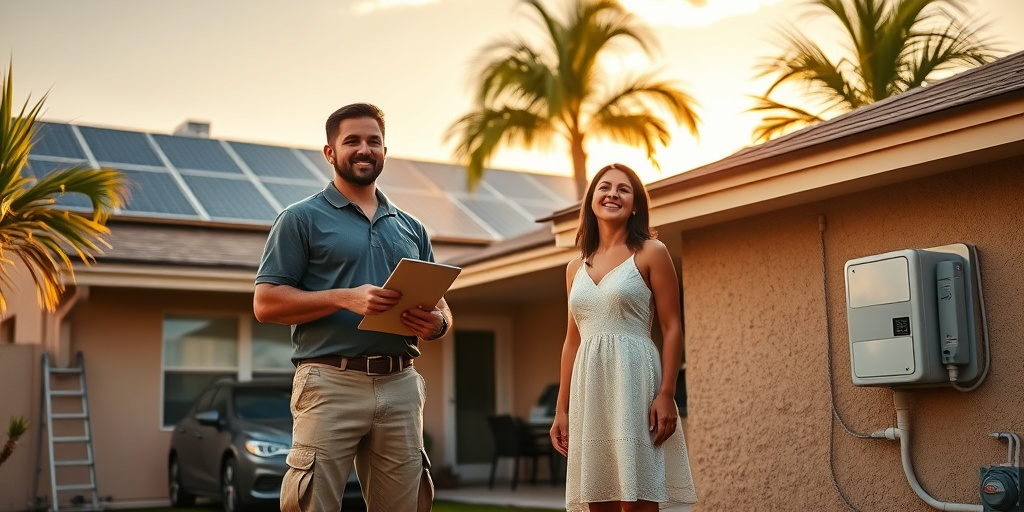
Florida has long been known as the sunshine state, yet many homeowners and business owners have been slow to embrace this abundant resource. In fact, a recent report indicates that more than 90% of residential solar installations in the U.S. are grid-tied, meaning they rely heavily on utility companies. However, this dependence is changing rapidly—especially in 2025, as both energy costs continue to rise and technological advancements in solar battery storage offer new pathways to energy independence. The Florida family at the heart of this story not only embraced solar power but transformed their energy landscape through solar battery storage. This case study, titled How One Florida Family Achieved Energy Independence with Solar Battery Storage, delves into their remarkable journey, uncovering the challenges they faced, the strategies they implemented, and the potential financial implications of such a shift. According to the Solar Energy Industries Association, Florida ranked third in the U.S. for installed solar capacity in 2022, with approximately 68% of Floridians expressing interest in installing solar systems. This surge in interest points to an urgent need for educational resources for homeowners considering solar energy in their own lives.
In this article, we will explore five key sections that will provide valuable insights into the achievement of energy independence through solar battery storage. First, we will engage in an angled deep dive, detailing the family’s compelling story while debunking some common myths about solar ownership. Then, we’ll present a comprehensive checklist for homeowners looking to embark on their solar journey. Following that, we will examine common misconceptions surrounding solar energy. Our fourth section will focus on the local context, looking at Florida-centric data and policies that influence solar adoption. Lastly, we’ll provide a technical deep dive into the inner workings of solar batteries, making sense of the technology that powers optimal energy use. Let’s begin this enlightening exploration into the world of solar energy.
Unlocking Energy Independence: A Florida Family’s Journey with Solar Battery Storage
Meet the Johnsons, a typical South Florida family comprised of parents, Mark and Lisa, and their two children, Sarah and Matt. Like many Floridians, they had been dealing with rising electric bills. For several years, their monthly energy costs had steadily climbed, putting a strain on their family’s budget. In 2022, Mark stumbled upon the concept of solar energy while browsing online forums. Enthralled by the potential for savings and energy independence, he shared the idea with Lisa. Though initially skeptical, Lisa warmed to the idea after attending a local solar seminar hosted by Florida Electric & Solar.
The seminar illuminated not just the advantages of solar panels but also the potential of integrating solar battery storage into their energy system. The Johnsons decided to take the plunge and began researching local providers. They soon connected with Florida Electric & Solar, a reputable company that offered customized solar solutions, including an advanced solar battery storage system. According to the National Renewable Energy Laboratory, solar batteries can increase self-consumption of solar energy by more than 70% (NREL.gov), providing an attractive solution for families looking to minimize dependency on the utility grid.
During the installation phase, the Johnsons learned about various solar components, including panels, inverters, and batteries. Initially, Mark felt overwhelmed, but the Florida Electric & Solar team walked them through the process step by step. After installation, they witnessed significant changes. Most notably, their electric bills were slashed dramatically, and they began to rely less on the grid. By late 2023, the family had made various upgrades, including a new energy-efficient air conditioning system and smart home technologies. These enhancements further maximized their solar potential.
Despite the clear benefits, such as reduced costs and greater energy stability, some myths still lingered surrounding solar energy. Many of their friends expressed doubts, believing that solar panel installations were too expensive or that Florida’s weather posed challenges for solar efficacy. Mark and Lisa took the opportunity to share their journey, demonstrating how, with careful planning, they achieved their energy independence. In doing so, they underscored important facts, like the state of Florida offering multiple rebates and incentives for solar installations, encouraging others to consider this sustainable alternative.
As of 2025, an estimated 60% of homeowners in Florida are likely to adopt solar energy solutions due to rising energy expenses and escalating climate concerns. Such developments indicate a pivotal opportunity for families to take action and join the clean energy revolution. As the Johnsons experienced firsthand, the path toward energy independence is achievable, and they stand as living proof of the benefits associated with solar energy. The technological advancements of today have paved the way for a more sustainable future, and the Johnsons’ story illustrates a roadmap for many Floridians to achieve energy independence.
In this section, we highlighted the impactful journey of one Florida family making strides towards energy self-sufficiency. As we proceed, let’s take a closer look at some actionable steps that all Florida homeowners can implement to tap into the abundant benefits of solar energy.
Five Steps to Achieve Energy Independence in Florida
Solar energy has become increasingly accessible and advantageous for homeowners across Florida. If you are looking to follow in the Johnson family’s footsteps, here are five essential steps to achieve energy independence with solar battery storage:
- Step 1: Audit Your Electric Bill
- Step 2: Research Your Options
- Step 3: Consider State Incentives
- Step 4: Schedule an Assessment
- Step 5: Installation and Monitoring
Start by reviewing your electricity consumption over the past year. Identify peak usage months and calculate your average monthly costs. This information will guide your solar investment decisions and help ascertain the right size system for you.
Engage with local solar providers, like Florida Electric & Solar, while exploring available products and service offerings. Different companies provide various panels, batteries, warranties, and financing options. Don’t forget to consider customer reviews and past performance.
Florida has several incentives available for residential solar installations, including the Solar Investment Tax Credit (ITC) and local utility rebates. Familiarize yourself with these options to maximize your financial benefits.
A qualified installer should assess your property for solar viability. Factors such as roof orientation, shading, and the local climate can influence your setup. This step ensures an optimal installation that provides maximum efficiency.
After selecting a company and finalizing your solar design, prepare for the installation process. Post-installation, monitor your system’s performance and make adjustments as necessary to improve efficiency.
By following these five steps, homeowners in Florida can unlock the potential of solar energy and move toward the goal of energy independence. The financial benefits presented through battery storage and other solar technologies make this journey increasingly worthwhile. As you consider your solar options, it’s essential to keep in focus the various incentives available to help ease the initial investment costs.
Debunking Common Solar Myths
Despite the growing enthusiasm for solar energy, many misconceptions continue to cloud people’s understanding. Below are some of the most common myths surrounding solar energy, along with the facts that debunk them:
- Myth #1: Solar Power is Too Expensive
- Myth #2: Solar Panels Don’t Work in Florida Due to Hurricanes
- Myth #3: Maintenance is Overly Complicated
- Myth #4: Solar Batteries are Inefficient
- Myth #5: You Can’t Have Solar Energy Without Going Off-Grid
While the initial cost of solar installation can be significant, the long-term savings on energy bills often outweigh these upfront expenses. With state incentives and financing options available, readily accessible plans can fit various budgets.
On the contrary, modern solar panels are engineered to withstand intense weather conditions, including high winds and storms. Many installations have proven resilient even in hurricane-prone regions of Florida (Energy.gov).
Solar panels are relatively low maintenance and require minimal intervention after installation. Regular cleaning and occasional inspections are usually sufficient to maintain optimal performance.
Solar battery technology has significantly improved over the years. Today’s batteries can store excess energy produced during the day, and studies show homeowners can retain up to 90% of stored energy for nighttime use (NREL.gov).
Many people believe they cannot install solar systems without disconnecting from the grid. However, grid-tied systems with battery storage still allow consumers to benefit from solar energy while staying connected to the local utility grid, giving them a safety net for power outages.
Addressing these myths is crucial for building confidence among Florida homeowners and encouraging them to explore solar opportunities. The Johnsons successfully navigated these misconceptions and emerged with a greater understanding of solar energy’s advantages. Armed with facts and real-world experiences, prospective users can make informed decisions about adopting solar energy.
Florida’s Solar Landscape: Local Focus
Understanding the local factors that impact solar energy is essential for homeowners considering going solar. Florida has specific policies, climate benefits, and potential barriers that can influence the adoption of solar energy solutions. Here are some key highlights:
- State incentives: In addition to federal tax credits, Florida offers tax exemptions on solar equipment sales and property taxes (SEIA.org). By utilizing these incentives, homeowners can significantly reduce their financial commitment to solar systems.
- Challenging Climate: Florida’s humid and subtropical climate provides an exciting opportunity for solar energy production due to high sunlight levels. Floridians can expect an average of 260 sunny days per year, making it ideal for harnessing solar power (SolarReviews.com).
- Net Metering: Florida’s net metering policy allows homeowners to receive credits for excess energy generated by their solar systems. This policy enhances energy savings and incentivizes homeowners to install more robust solar setups.
The overall renewable energy landscape in Florida is changing rapidly, creating numerous opportunities for homeowners. By understanding these local dynamics, families can make informed decisions regarding their energy strategies, paving the way to energy independence similar to that achieved by the Johnson family.
Understanding Solar Battery Storage Technology
Solar battery storage systems play a crucial role in maximizing the use of solar energy generated by home installations. Understanding how these systems work will prepare homeowners for their solar journey. Here’s a breakdown of key aspects:
- Types of Batteries: Lithium-ion batteries have become the standard for solar storage due to their efficiency and longevity. Compared to older lead-acid options, lithium-ion batteries offer a more substantial energy density and can cycle more frequently without damage.
- Charge and Discharge Cycles: Solar batteries work by capturing energy generated during the day and storing it for use during the evening or cloudy days. Homeowners can tap into stored energy when electricity rates are higher, boosting their savings.
- Monitoring Systems: Most modern solar systems come equipped with monitoring software that allows homeowners to track energy production, consumption, and battery health. These systems give users insights into their solar usage, helping them make adjustments as needed for maximum efficiency (NREL.gov).
- Integration with Smart Home Devices: Solar battery systems can be integrated into smart home technologies to optimize energy use. Homeowners can schedule high-energy-consuming devices to run when solar energy is abundant, reducing costs further.
As solar technology continues to evolve, homeowners can expect improved battery performance and enhancing efficiencies. The integration of smart technologies with solar systems not only individualizes energy usage but also represents a significant step towards creating homes capable of independent energy generation.
Next Steps for Florida Solar Buyers in 2025
If you’re ready to embrace the solar revolution and enhance your energy independence in 2025, consider following this action plan:
- Step 1: Audit Your Energy Needs
- Step 2: Research Local Solar Providers
- Step 3: Seek Financial Guidance
- Step 4: Understand Your System Options
- Step 5: Engage with Qualified Installers
Begin by determining your electricity usage and identifying high-consumption devices. This information will guide your decisions for solar installation size and battery capacity.
Gather information from various providers, focusing on their offerings, guarantees, and customer feedback. Ensure that they are certified and experienced in providing solar solutions specifically for Florida homeowners.
Connect with local financial advisors or solar consultants. Consider financing alternatives available, and evaluate your eligibility for state and federal incentives, ensuring you maximize your return on investment.
Learn about different solar setups available in Florida, including rooftop panels, community solar programs, and battery storage solutions. Choose a solution that best fits your family’s needs and goals.
Once you’ve settled on a solution, it’s essential to engage with qualified solar installers to get precise quotes and timeframes for installation. Transparency in the installation process will allow for smoother transitions and valuable communication.
By following these steps to enhance your energy independence with solar energy, you’ll provide your family with financial and environmental benefits. The opportunity for solar energy adoption in Florida is significant, and it promises to reshape the energy landscape for many homeowners.
In conclusion, the journey towards solar energy independence is filled with potential, as demonstrated through the Johnsons’ experience in Florida. As they transformed their family’s energy habits, they also unlocked savings, reduced environmental impact, and established a pathway to sustainable energy living. The monetary and emotional significance of achieving energy independence cannot be overstated, providing families with security amid rising energy rates. The technological advancements paired with state incentives create an urgent call to action for Florida homeowners to explore solar energy solutions today.
Ready to start your solar journey in 2025? Connect with a certified expert at floridaelectricandsolar.com today.
Related Articles
More insights about Battery Storage

What Is a Solar Battery and How Does It Store Power for Your Florida Home?

Beginner’s Guide to Solar Battery Storage Essentials

Florida Homeowners: Unlock Benefits of Solar Battery Storage Today
Ready to Go Solar?
Have questions about solar energy? Our experts are here to help you make the switch to clean, renewable energy.