
Why Gulf Coast Residents Should Consider Solar for Commercial Properties
Share:
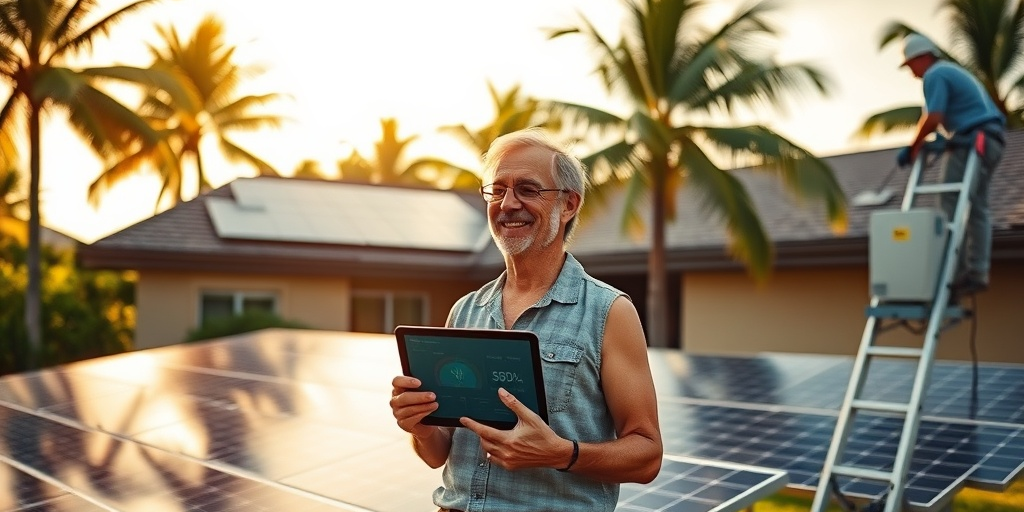
As 2025 approaches, Florida’s Gulf Coast continues to battle soaring energy costs, often leaving local business owners feeling overwhelmed. Did you know that commercial properties in Florida can save an average of 30% on energy costs by adopting solar power? This substantial financial incentive coupled with the state’s abundant sunshine makes it an ideal time to consider renewable energy solutions. As the article titled “Why Gulf Coast Residents Should Consider Solar for Commercial Properties” will explore, this remarkable opportunity not only promises operational savings but also plays a pivotal role in enhancing sustainability, improving public perception, and mitigating the impacts of climate change. Furthermore, policies promoting renewable energy are becoming more favorable as the demand for clean energy rises. According to recent studies, Florida ranks third in the nation for solar installations, with over 16,000 commercial solar systems in operation (SEIA.org). With these compelling statistics in mind, joining the solar revolution is more crucial than ever, and we will address this in depth throughout the article. Here’s what to expect: we’ll delve into real-life case studies showcasing successful solar adoptions, a detailed checklist to help businesses transition to solar power, common myths surrounding solar systems and their rebuttals, a local focus on Florida’s solar landscape, and a thorough technical deep dive into solar technologies and policies. Let’s illuminate the path toward solar energy and operational cost savings for Gulf Coast commercial properties!
Transforming Energy Costs: The Solar Solution for Gulf Coast Commercial Properties
The benefits of installing solar panels at your business property can be transformative. Consider the hypothetical story of a popular restaurant on the Gulf Coast, known for its fantastic seafood and vibrant atmosphere. This restaurant, dealing with ever-increasing electric bills, discovered it was spending as much as $1,800 a month on energy alone. Just after conducting a cost-benefit analysis, the owner decided to invest in a commercial solar system. The restaurant installed a 40 kW solar array, which not only aligned with their commitment to sustainability but also cut down their energy bills by 50%. With state and federal incentives providing aid for such investments, the initial costs were drastically reduced. The owner reported that not only did it lead to substantial savings, but the community also responded positively, boosting customer footfall as eco-conscious patrons praised the new green initiatives (SolarReviews.com).
This scenario illustrates how solar energy helps transform energy strategies for Gulf Coast business owners. To further guide commercial property owners considering solar, we’ve compiled a necessary checklist to ensure you’re well-prepared for this transformative step:
- Step 1: Assess Your Energy Needs – Evaluate your property’s energy consumption to determine the appropriate solar system size.
- Step 2: Consider Your Roof Space – Confirm that your roof can accommodate the necessary solar panels without obstruction.
- Step 3: Explore Local Incentives – Research Florida’s tax credits and other financial incentives available for solar installations.
- Step 4: Choose a Reputable Installer – Seek out certified professionals with robust referrals and a strong track record.
- Step 5: Monitor Your System – After installation, regularly check your solar system’s performance to ensure optimal efficiency.
As we continue, it’s essential also to address some common myths about solar energy that may hinder the decision-making process:
- Myth #1: Solar Panels are Too Expensive – With state and federal incentives, the cost of solar installations has significantly decreased, allowing for affordable financing options.
- Myth #2: Solar Works Only in Sunny Areas – While sunlight is crucial, solar panels can still generate energy on cloudy days or indirect sunlight.
- Myth #3: Solar Installation is a Hassle – Many companies provide comprehensive services that ensure seamless installations with minimal disruption.
Florida-specific statistics demonstrate that solar installations can lead to a positive return on investment in as little as three to five years (Energy.gov). The average Floridian solar system offsets over 80% of electricity consumption, redefining energy reliance and financial sustainability.
Transitioning into the technical aspects of solar energy, it’s important to understand the various components involved in the installation.
- Solar Panels: The front line of a solar system, converting sunlight into electricity. Increasingly, Florida businesses are opting for high-efficiency panels, which can provide higher outputs despite limited installation space.
- Inverters: These devices convert the direct current (DC) produced by solar panels into alternating current (AC), making it usable for most commercial electric systems.
- Batteries: While optional, energy storage systems allow businesses to save excess energy generated during the day for use during peak demand hours at night or during outages.
Florida businesses that invest in solar energy can tap into energy independence while positively contributing to the fight against climate change. It’s time to step forward into this empowering energy transition.
The Benefits of Going Solar for Your Commercial Property
Embracing solar energy isn’t just about the financial savings—it’s about aligning your business with sustainability. By shifting to solar, business owners can leverage significant operational savings, ultimately improving their bottom line. A detailed study published by the National Renewable Energy Laboratory found that businesses adopting solar can see operational savings of up to 70% by utilizing energy generated through solar panels (NREL.gov). The fierce competition among Florida business owners for customers increasingly favors those who prioritize sustainability. Here are compelling reasons to make the switch:
- Reduced Energy Costs: Solar significantly cuts monthly electricity expenses, allowing you to redirect funds into other essential business needs.
- Increased Property Value: A property with a solar installation often sees an increase in value by as much as 3-4% based on national averages (SolarReviews.com).
- Tax Incentives and Rebates: Florida’s solar programs offer attractive tax credits and rebates, reducing upfront investment substantially.
- Brand Reputation: Demonstrating a commitment to sustainability can enhance brand reputation, setting you apart from competitors.
With Gulf Coast businesses facing increasing economic pressures and environmental accountability, considering solar for commercial properties becomes a strategic decision for not just today, but for a sustainable future.
5 Expert Solar Installation Tips for 2025
Transitioning to solar energy can be daunting, but with the right information, it becomes manageable and advantageous. Here are five essential tips that can guide Gulf Coast business owners through the installation process:
- Don’t Skimp on Quality: Invest in reputable brands for solar panels and inverters. Cheaper systems may lead to higher overall costs due to maintenance and lower efficiency.
- Optimize Panel Placement: Work with your installer to determine the optimal placement for solar panels to maximize sunlight exposure and energy production throughout the day.
- Understand Financing Options: Familiarize yourself with available financing options and choose one that aligns with your financial strategy for your business.
- Keep Up with Maintenance: Schedule regular check-ups to inspect and maintain your solar system, ensuring it operates at peak efficiency throughout its lifespan.
- Consider Energy Storage: Invest in battery storage to harness off-peak power generated during sunny days for use during peak hours, enhancing savings.
Each of these recommendations plays a role in elevating your understanding and capability to manage a solar installation effectively. The future lies in diligent and informed energy management.
A Green Investment: A Day in the Life of a Solar-Powered Business
Picture this: The sun rises over a successful café on the Gulf Coast. The owner, Sarah, reminisces about her journey toward sustainability, starting when her electric bill began to rise unsustainably. After conducting research, she discovered that investing in solar energy was not just the eco-friendly choice but financially prudent as well. After her installation, she noticed the immediate impact of reduced electricity costs. Her solar system produced more energy than needed, allowing her to sell excess energy back to the grid through net metering. Today, she not only saves on her monthly bills, but she also attracts a growing customer base who appreciate her commitment to renewable energy.
To illustrate the positive ripple effect, here are four key takeaways from Sarah’s journey:
- Immediate Financial Benefits: Reduced energy bills allowed her to reinvest in her business.
- Enhanced Customer Engagement: Eco-friendly initiatives led to increased patronage from environmentally conscious patrons.
- Energy Independence: Stable energy costs shield her from rising prices in traditional energy markets.
- Community Impact: Supporting local solar initiatives positioned her café as a leader in sustainability.
By choosing solar energy, Sarah transformed not just her energy bills, but also how her business functioned and its role in the community. Her experience underscores the larger trend among Gulf Coast businesses embracing renewable energy, making it vital for other commercial property owners to follow suit.
Next Steps for Florida Solar Buyers in 2025
As you consider making the leap into solar energy, here’s a step-by-step action plan to ensure you’re on the right path:
- Audit Your Electric Bill: Review past utility bills for patterns in your energy consumption and identify areas for savings.
- Research Local Solar Providers: Gather insights about reputable solar installation companies, comparing quotes and services.
- Consult with an Expert: Schedule consultations with solar professionals to discuss custom solutions tailored to your business needs.
- Estimate Your Return on Investment: Use calculators available online to project potential savings and financing options.
- Finalize Your Decision with Confidence: Once all factors are considered, confidently commit to installing solar energy at your commercial property.
With the right information, transitioning to solar energy can be a straightforward endeavor. Florida businesses stand to benefit immensely from this shift, taking charge of their energy needs into the future. For more details, visit floridaelectricandsolar.com.
Conclusion
As we navigate the path toward 2025, the conversation surrounding solar energy becomes crucial for Gulf Coast residents. The urgency to adopt renewable energy solutions is echoed in the rising electricity costs, escalating climate concerns, and growing incentives for businesses to transition towards sustainability. This isn’t merely about lowering bills; it’s about shaping the narrative of the future—empowering business owners to take control of their energy demands while contributing to a cleaner environment.
By shifting to solar energy, Gulf Coast commercial properties can enjoy significant operational savings, enhanced community engagement, and a robust business reputation. Through the stories, best practices, and actionable steps provided throughout this article, property owners are well-equipped to make informed decisions about their energy strategies.
To recap, the critical takeaways from this journey emphasize the opportunities on the horizon. The financial benefits are extraordinary, the community impact is profound, and the environmental benefits are undeniable. The shift to solar is calling, and now is the time to act.
Ready to start your solar journey in 2025? Connect with a certified expert at floridaelectricandsolar.com today.
Related Articles
More insights about Solar

What Are the Key Benefits of Solar for Commercial Properties?

Why Gulf Coast Residents Should Explore Solar for Commercial Properties

Why Gulf Coast Residents Should Consider Solar for Commercial Properties
Ready to Go Solar?
Have questions about solar energy? Our experts are here to help you make the switch to clean, renewable energy.