
Solar Incentives by State: What Florida Homeowners Should Know
Share:
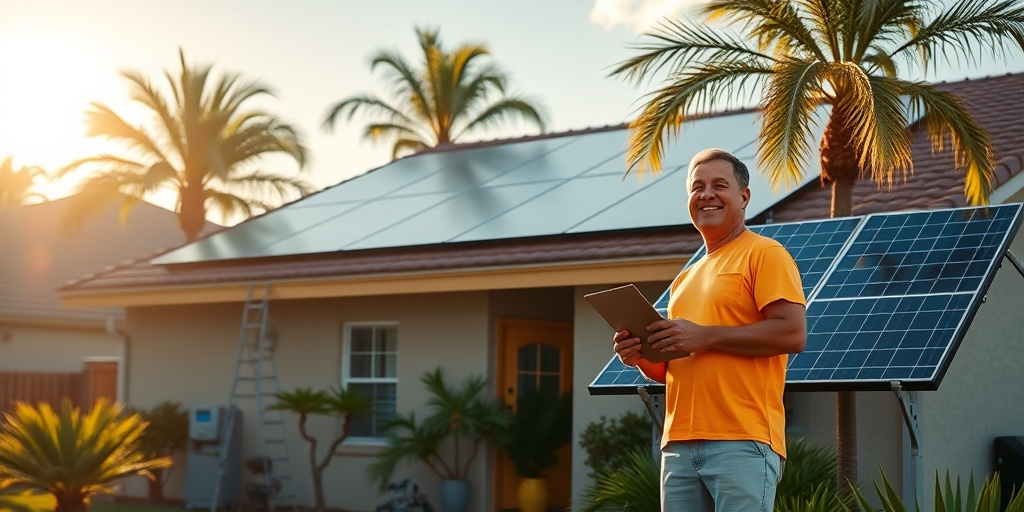
In 2025, the landscape for solar energy in Florida is poised for transformation, and the potential benefits for homeowners are staggering. Did you know that, as of January 2023, Florida ranks third in the nation for installed solar capacity, with over 5,500 megawatts? Or that Florida’s solar market is projected to continue expanding, resulting in even more savings for households that adopt this clean energy? If you’re a Florida homeowner contemplating a shift to solar power, understanding the nuances of available solar incentives in your state is essential. That’s why we’re diving deeply into the topic with our article titled “Solar Incentives by State: What Florida Homeowners Should Know.”
As energy costs climb and climate concerns grow, taking advantage of various incentives can dramatically lessen the financial impact of your solar panel installation. Your decision to go solar isn’t just an eco-friendly choice; it can also be a significant avenue for economic advantage, especially when you’re aware of the different state and federal incentives available to you. In this article, we’ll uncover key information regarding the incentives, demystify common misconceptions, share valuable case studies, and even help you devise an actionable plan tailored for your solar journey in 2025. Here are the five sections we will cover: a deep dive into solar incentives active in Florida, a checklist for potential solar customers, a busting of common myths, best practices for installation, and a guide to the next steps after deciding to go solar.
Florida’s Solar Incentives: Are You Missing Out?
Florida homeowners need to be aware of the numerous incentives available for solar adoption. These incentives can significantly offset initial installation costs and improve the overall return on investment. For instance, the federal solar tax credit allows you to deduct 26% of your solar system cost from your federal taxes until 2023, with plans to reduce this to 22% in 2024. Understanding these financial elements can lead you to substantial savings.
Let’s explore a recent case study of a family living in Orlando. The Rodriguez family decided to install solar panels on their home in 2023. Initially uncertain, they spent time researching and discovered the solar tax credit, state incentives, and two local programs designed to mitigate upfront costs. After careful planning, they secured financing with minimal interest and invested in a system that met their family needs and usage patterns.
- Step 1: Evaluate your energy consumption. The Rodriguez family reviewed their electric bills to gain a comprehensive understanding of their usage.
- Step 2: Research available local and federal incentives. They found both the solar tax credit and a fantastic local program allowing interest-free financing, perfect for reducing upfront costs.
- Step 3: Consult with experts. Engaging with Florida Electric & Solar allowed them to outline their best solar options tailored to their needs.
- Step 4: Get multiple quotes! This is crucial in ensuring you find the best deal available. The Rodriguez family visited different installers, learning to compare offers effectively.
- Step 5: Budget for ongoing expenses. After installation, they knew to consider costs for maintenance and potential battery storage options.
Two essential myths about solar energy deserve clarification. First, many believe that solar energy systems only save money during sunlight hours. This misunderstanding disregards the ability of battery storage systems to store excess energy generated during the day for nighttime use, effectively increasing the system’s efficiency. Second, it’s a common belief that solar panels require significant maintenance. In truth, Florida’s weather creates a natural cleaning cycle for these systems, reducing the need for further maintenance efforts.
The Florida Solar Energy Industries Association (FlaSEIA) reports that the state’s solar capacity has increased by 600% since 2014, a monumental leap reflecting changing perceptions and improving technology for solar energy in our state (FlaSEIA.org). The adoption of solar energy is no longer just an environmentally conscious choice; it’s a financially savvy move. And as Florida rolls into 2025, you don’t want to be left behind.
Steps to Optimize Your Solar Experience
Ready to maximize your solar savings? The following steps can guide you through the planning and installation stages, ensuring you’re fully equipped to harness the benefits that solar offers.
- Step 1: Understand your energy needs. Every home is distinct, and knowing your average energy consumption will help determine the optimal solar system size. The average Florida household uses about 1,000 kWh per month.
- Step 2: Explore financing options. Look into multiple financing providers, grants, and incentives available to Florida homeowners. Some insurance policies may even offer incentives for energy-efficient upgrades.
- Step 3: Connect with your local electric company. Florida Power & Light (FPL) and other local providers may have their own incentives and net metering programs that allow you to sell back excess energy.
- Step 4: Evaluate different solar technologies. Research the different components of a solar system, such as inverters and battery storage options, to ensure you select the components that meet your needs.
By adhering to these strategies, Florida homeowners can ensure a smoother transition into solar energy, personalized to your unique circumstances and needs. Remember that the best time to consider solar is now, as incentives may change in the future.
5 Expert Solar Installation Tips for 2025
As you embark on this journey to adopt solar energy, it’s vital to keep several best practices in mind to achieve the best possible results. Here are five expert tips to ensure your solar installation is a success:
- Don’t skimp on panel placement: The positioning of your solar panels is crucial. Consult with reputable installers who understand how to maximize sun exposure and mitigate shading issues. An improperly placed panel can result in a 20% loss in efficiency.
- Invest in quality components: The initial cost of cheaper solar panels may be enticing, but lower-quality panels often lead to reduced output and higher maintenance costs in the long run. According to a 2022 report by the National Renewable Energy Laboratory, premium panels ensure higher longevity.
- Understand local permits: Ensure your installer is compliant with local regulations and permits. Florida has specific building codes for solar installations, and ignorance of these can lead to project delays and additional costs.
- Consider battery storage: With the increasing risk of blackouts and grid instability, battery storage systems can enhance your energy independence, allowing you to use stored energy during high demand or outages.
- Monitor your system: After installation, set up monitoring systems to track energy production and consumption. Monitoring allows proactive identification of any potential issues.
Remember, optimally positioning your solar system can make a world of difference. A well-informed approach will help you reap the most rewards from solar energy this upcoming year.
A Hypothetical Homeowner’s Solar Journey
Imagine a family living in Sarasota, Florida, delighted when they finally made the decision to switch to solar energy after years of contemplation. They began their journey on a sunny Tuesday when they received their first electric bill of the month. Shockingly, it was nearly $300 — a bill they expected due to the soaring energy costs. With every charge, their frustration grew. But this particular bill prompted them to finally act.
The family researched solar solutions, starting with local companies like Florida Electric & Solar, where they learned about available incentives and financing options. As they progressed, they realized several key factors that impacted their decision:
- Utility rates were climbing; FPL announced another price hike, effective in June 2025.
- Federal tax credits would significantly mitigate installation costs, enabling a fast ROI.
- Local regulations permitted net metering, enabling them to further offset costs by selling back excess energy.
- Battery storage options allowed them flexibility in energy use and reliability during storms.
The journey culminated when they secured financing with no upfront costs, signed agreements for a solar installation, and celebrated their first month of solar energy generation that reduced their bill to nearly $45. Empowered by the switch, they even began to educate their neighbors on the benefits of going solar—sharing their experience through community forums.
Next Steps for Florida Solar Buyers in 2025
Are you ready to harness the power of solar energy? Below, we outline a clear, actionable plan tailored for Florida homeowners to take the leap into solar adoption in 2025:
- Step 1: Audit your electric bill. Analyze your last 12 months of electricity usage to predict your solar requirements.
- Step 2: Research financing options. Review options from various lenders, and consult programs that reduce upfront costs, like no-interest financing plans.
- Step 3: Get homeowner association (HOA) approval. If applicable, share your solar plans with your HOA early in the process to avoid any potential roadblocks.
- Step 4: Hire a reputable solar installer. Conduct thorough research, find reviews on platforms like SolarReviews.com, and ensure you conduct interviews with potential companies.
- Step 5: Integrate battery storage if desired. Select a battery solution that aligns with your budget and energy autonomy preferences.
By following these steps, Florida homeowners can streamline the transition to solar energy. Your future with solar begins today, and careful planning can position you for optimal savings well into the next decade.
In conclusion, the journey to harnessing solar energy in Florida requires informed decision-making and a firm understanding of the various incentives available to you. With the right knowledge and steps, you can significantly lower your electric bills and own your power in 2025 and beyond. Remember, making the switch to solar is not just an investment in renewable energy; it’s a commitment to your family’s financial future and the environment.
Ready to start your solar journey in 2025? Connect with a certified expert at floridaelectricandsolar.com today.
Related Articles
More insights about Solar Incentives

How Can Solar Incentives by State Benefit Florida Homeowners

10 Essential Solar Incentives Every Florida Homeowner Should Know

5 Essential Solar Incentives by State for Savvy Homeowners
Ready to Go Solar?
Have questions about solar energy? Our experts are here to help you make the switch to clean, renewable energy.