
Deep Dive Into Off-Grid Solar Systems: What You Need to Know
Share:
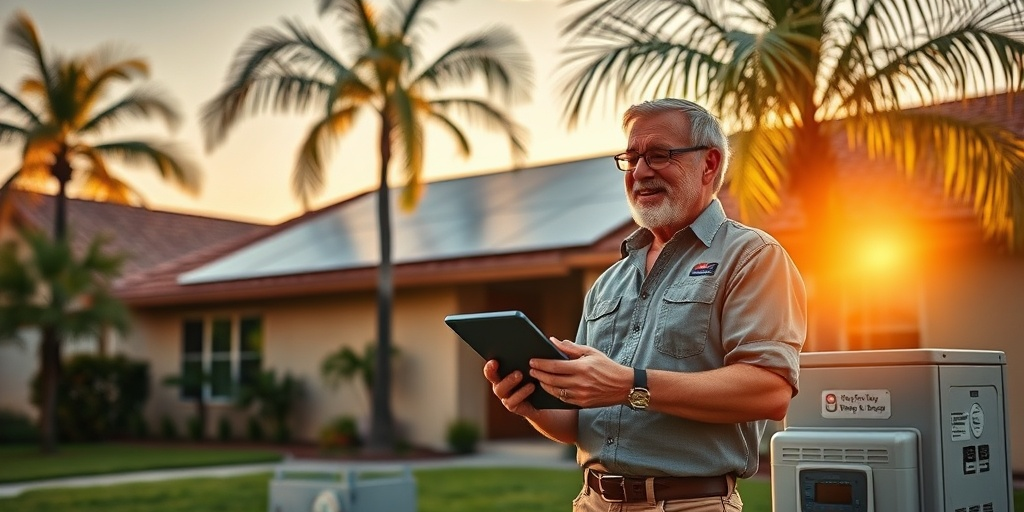
Have you ever wished you could break free from rising electricity costs and dependency on the grid? In a time when Florida’s average electricity prices are on the rise, with the state currently holding one of the highest electricity rates in the nation at about 14.5 cents per kilowatt-hour (EIA.gov), the allure of achieving energy independence through off-grid solar systems is more enticing than ever. This shift to renewable energy solutions—in light of new solar incentives set to take effect in 2025—has fueled an increasing interest in these sustainable setups among homeowners and commercial property owners alike. Today, we will dive deep into the topic: Deep Dive Into Off-Grid Solar Systems: What You Need to Know. An estimated 1.6 million homes and businesses in Florida depend on electric service every day, but more are discovering the benefits of harnessing the sun’s power (SEIA.org). In this article, we will explore the urgency of transitioning to off-grid systems in 2025, why now is the time to act, and provide comprehensive insights aimed at maximizing your independence and savings. We’ll cover five important areas: a detailed case study of a Florida homeowner’s experience, a practical checklist for evaluating off-grid readiness, myth-busting common misconceptions, a local focus on Florida’s incentives and policies, and a technical deep dive into the components that make off-grid systems tick. Get ready to transform your relationship with energy and empower yourself with knowledge.
Understanding Off-Grid Solar Systems: A Comprehensive Analysis
Meet Sarah, a Florida homeowner living in a cozy, solar-saturated neighborhood of Orlando. Frustrated with the escalating cost of utility bills and wanting to minimize her dependency on the local energy grid, Sarah decided to explore off-grid solar systems. She knew she wanted to shift towards sustainable living, yet uncertainties lingered about the installation, costs, and equipment. After doing thorough research and consulting experts, Sarah found not just a solution, but a lifestyle transformation.
Sarah began her journey by assessing her energy consumption. With solar panel technology improving and battery storage options becoming more efficient, she calculated that her home required a solar setup capable of producing around 10kWh daily to meet her average needs. This knowledge laid the groundwork for her solar project, and here is what she learned:
- Step 1: Research and Planning – Sarah took the time to research different solar panels, batteries, and inverters, learning about their warranties, lifespans, and functionality in an off-grid setup.
- Step 2: Cost Assessment – She obtained multiple quotes from various solar contractors to better understand installation costs. Considering that Florida homeowners can save 26% on their federal taxes with solar, she found the incentives incredibly beneficial (Energy.gov).
- Step 3: Choosing the Right Equipment – Sarah evaluated multiple solar panel brands and ultimately selected high-efficiency models with a 25-year warranty. Additionally, she opted for lithium-ion batteries that allowed her to store surplus energy for cloudy days.
- Step 4: Installation – With licensed professionals, Sarah installed a seamless grid system connected to a generator as a backup, ensuring uninterrupted power supply despite weather changes.
- Step 5: Monitoring and Maintenance – Post-installation, Sarah closely monitored her system’s performance through an app, ensuring everything operated perfectly.
As her project progressed, Sarah faced common misconceptions that warranted debunking. One prevalent myth is that off-grid systems are overly expensive and impractical, especially in urban areas. But with the rising costs of electricity and extensive tax incentives for solar installations, the financial savings can outweigh initial costs in the long run.
Furthermore, Florida’s sunny climate provides ample opportunity for effective energy generation. According to the Solar Energy Industries Association (SEIA), Florida ranks third in the nation in solar power capacity, making it the optimal choice for homeowners looking to go off the grid. The state also has various net metering policies that benefit solar users by allowing excess energy production to be sold back to the grid.
With each passing day, more and more Floridians like Sarah realize the potential of embracing off-grid solar systems. And as we move towards 2025, this trend will only accelerate as new technological advancements and solar policies emerge.
Checklist for Transitioning to Off-Grid Solar: How to Get Prepared
Transitioning to an off-grid solar system entails careful planning and consideration. Here’s a concise checklist to ensure you have all necessary bases covered:
- Assess Your Energy Needs: Evaluate how much energy your household consumes daily and estimate potential savings from an off-grid system.
- Understand Your Budget: Consider the upfront costs and potential tax incentives. Calculate your return on investment (ROI) based on projected energy savings.
- Research Equipment: Study solar panel types, battery storage options, and inverters to understand what will best meet your needs.
- Consult Professionals: Reach out to reputable local solar companies such as floridaelectricandsolar.com for expert advice and design specific to Florida’s climate.
- Plan for Maintenance: Develop a schedule for regular checks and servicing of your solar system to ensure longevity and optimal performance.
Flipping the switch to an independent energy lifestyle requires thorough preparation, but with proper guidance, resources, and an open mind, the transition can lead to long-lasting financial and environmental benefits. Additionally, understanding and navigating local Florida policies is critical before committing to installation.
Myth-Busting Common Misconceptions About Off-Grid Solar
Despite the surge in interest towards off-grid living, several misconceptions prevent many from exploring this eco-friendly alternative. Below are some prevalent myths and their realities:
Myth #1: Off-Grid Solar Systems Are Too Expensive
Many believe the initial costs of going off-grid are prohibitive. However, with increasing incentives and financing options, 30% of installation costs can be recovered through federal tax credits (Energy.gov). In many cases, your monthly savings on energy bills can quickly surpass your initial investment cost.
Myth #2: You Can’t Generate Enough Energy Off-Grid
Another concern is that off-grid solar cannot meet daily energy needs. Contrary to this belief, with proper sizing and quality components, off-grid systems can capture ample energy to power a typical household—even in Florida’s fluctuating weather patterns.
Myth #3: Off-Grid Is Only for Rural Homes
The perception that off-grid systems are only suited for rural areas is outdated. Urban homeowners are also increasingly utilizing solar technology, benefiting from local policies and incentives that make off-grid systems accessible regardless of location.
Myth #4: Battery Storage Is Inefficient
Modern battery technologies, particularly lithium-ion batteries, provide reliable and efficient energy storage. This technology enables off-grid homeowners to store excess energy for later use and minimize dependency on the grid.
Myth #5: You Can’t Sell Back to the Grid
While going fully off-grid typically implies independence from the utility, Florida’s net-metering policies allow homeowners with enough surplus energy to sell back to the grid, giving them an extra financial boost and providing additional benefits without complete detachment.
Best Practices for Off-Grid Solar Installations in 2025
As the solar market in Florida continues to expand, here are five expert tips to help ensure a successful off-grid solar installation:
- Don’t Skimp on Quality: Invest in reputable brands known for efficiency and durability. Research panel technology and warranties to guarantee your investment.
- Optimal Panel Placement: Maximize sunlight exposure by strategically placing panels in unobstructed locations. Avoid shrouding from trees or other buildings that may block sunlight.
- Consider Multiple Battery Systems: Utilizing a mix of battery types can provide a perfect balance between initial cost and storage capacity, making your off-grid lifestyle both efficient and financially viable.
- Invest in Monitoring Technology: Use apps or systems that allow you to monitor energy production and consumption. This insight can help you troubleshoot issues promptly and optimize your system’s performance.
- Stay Updated on Local Regulations: Florida’s solar policies can change frequently. Stay informed about regulations, incentives, and potential market shifts that could affect your off-grid system.
As you prepare for the next few years, addressing these best practices will enhance your overall solar experience and prepare your home for an increasingly sun-dependent future.
The Narrative of a Floridian Off-Grid Homeowner: The Real Journey
Let’s step back and examine a fictional yet relatable journey of another homeowner, Tom, who lives in a beachside community in Sarasota, Florida. Confident in the choices he made, Tom sets out on a quest to become completely off-grid after witnessing his neighbor’s impressive solar venture. Within months, Tom was completely off the grid. Here’s how he managed the transition:
- Community Research: Before beginning, Tom networked with other off-grid homeowners who shared their experiences and pitfalls, providing him with valuable insights into installations and lifestyle changes.
- Proper Sizing: Tom had his solar system sized accurately, taking into account both seasonal variations in sunlight and his home’s growing energy needs as he incorporated electric vehicles.
- Battery Management: Over the years, Tom’s commitment to maintaining his battery system allowed him to store energy for high-demand days, ensuring he never faced blackouts.
- Community Advocacy: Engaging with local advocacy groups supported Tom in rallying for further solar incentives, thereby helping others navigate similar initiatives.
According to the National Renewable Energy Laboratory (NREL), more than 80% of homeowners who transition to solar report satisfaction with their systems (NREL.gov). Tom is no exception, enjoying the tranquility and independence of his decision. He’s taken control of his energy future, dramatically reducing his carbon footprint while staying in tune with nature. This journey reflects the transformational opportunity that lies ahead for Florida homeowners keen on exploring solar solutions.
Next Steps for Florida Solar Buyers in 2025
As you ponder making the leap into off-grid solar living, here’s a straightforward action plan to follow:
- Review Past Electricity Bills: Gather and analyze at least six months’ worth of utility bills to understand your energy consumption patterns, peak usage times, and monthly trends.
- Consult with Professionals: Schedule consultations with local solar providers, such as floridaelectricandsolar.com, who can assess your property and customize a solar solution suited for your unique needs.
- Evaluate Financing Options: Investigate various financing options including loans, leasing, and power purchase agreements to find the best fit for your financial situation.
- Understand Local Regulations: Familiarize yourself with Florida’s solar policies, including tax incentives and rebates—many of which could significantly decrease your installation costs.
- Make a Commitment: Once all factors are reviewed and you’re comfortable with your choice, commit to the installation, and embrace your solar journey ahead!
Transitioning to an off-grid solar system can seem daunting, but taking those first steps toward implementation is key. The reward of energy independence, along with the satisfaction of doing your part in combating climate change, is well worth it.
As we’ve explored throughout this article, off-grid solar systems are not only a practical solution for energy independence, but they represent a sustainable lifestyle choice that aligns with the growing trend toward autonomous living in 2025. The decision to invest in solar today can significantly shape your family’s future, reduce your expenses, and provide a sense of security in an ever-changing energy landscape.
Ready to start your solar journey in 2025? Connect with a certified expert at floridaelectricandsolar.com today.
Related Articles
More insights about Off-Grid Solar

Myth-Buster: Off-Grid Solar Systems Are Not Always Unaffordable

What You Need to Know About Off-Grid Solar Systems

How One Florida Business Reduced Costs with Off-Grid Solar Systems
Ready to Go Solar?
Have questions about solar energy? Our experts are here to help you make the switch to clean, renewable energy.