
How Florida Homeowners Can Benefit from Community Solar Options
Share:
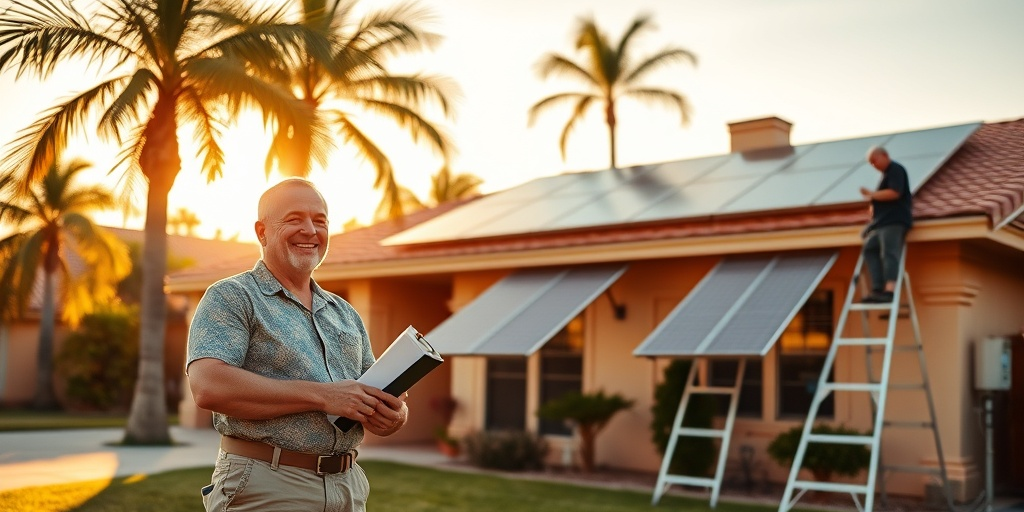
As a homeowner in Florida, are you constantly watching the numbers on your utility bill climb higher than ever? You’re not alone—many Floridians have experienced frustration when it comes to energy costs. In fact, Florida ranks among the top states with the highest electricity prices, averaging about 12.60 cents per kilowatt-hour (kWh) (EIA.gov). Fortunately, there’s a growing movement that enables Florida homeowners to harness the power of the sun without the need for rooftop solar panels: community solar options. In our article, How Florida Homeowners Can Benefit from Community Solar Options, we will explore how these programs can significantly lower your utility bills and support the transition towards renewable energy in our beloved state. In 2025, with the rising costs of energy and increasing environmental awareness, exploring community solar becomes not just a smart choice but a necessity. Throughout this article, we’ll delve into five key areas that will help you navigate the world of community solar: a compelling case study, a detailed checklist of actionable steps, myth-busting surrounding solar energy, a local focus highlighting Florida-specific data, and a technical deep-dive into how community solar works.
Understanding Community Solar: A Path to Energy Independence
Imagine living in a neighborhood where the sun is your friend, not just for sunbathing at the beach but also for easing your monthly financial burdens. This was exactly what the Garcia family experienced when they decided to take part in a community solar program. They lived in a quaint neighborhood in Gainesville, and like many others, were finding it increasingly difficult to manage their energy expenses. After hearing about community solar at a local community event, they decided to investigate further.
The concept of community solar allows homeowners without suitable rooftops or financial capacity to install solar panels to benefit from solar energy solutions. Through these programs, several households can share the electricity generated by a solar array, dramatically lowering their utility expenses. The Garcias, having enrolled in their local community solar program, quickly realized substantial benefits: their monthly electricity bill dropped by 30% within the first year (SEIA.org). This kind of saving is not just a one-off—many Floridians who have joined community solar measures have reported similar benefits. In fact, the overall potential savings from participating in community solar for Floridians can average several hundred dollars each year, depending on participation rates and local energy prices.
But why is it especially important to seize these opportunities in 2025? The landscape of energy costs is shifting. Factors like global supply instability, inflation, and state regulatory changes can further escalate monthly expenses. Therefore, Florida homeowners must be proactive in securing more affordable and sustainable energy sources now.
As we look deeper into the advantages of community solar in our state, we will cover:
- The Garcia family’s inspiring journey with community solar.
- Essential steps to consider when enrolling in a community solar program.
- Common myths and misconceptions regarding solar energy.
- Florida-specific statistics and policies that can drive community solar.
- An in-depth technical look at the mechanics behind community solar systems.
Case Study: The Garcia Family’s Journey to Sustainable Savings
The Garcias live in a large home with plenty of sun exposure, but due to the angle of their roof and the shading from surrounding trees, installing individual solar panels was not a viable option. After their monthly electric bills consistently exceeded $250, they felt like they were drowning in energy costs. That’s when they attended a homeowners’ information session on community solar. Through this event, they learned about local solar farms that had spaces available for participating households.
Here’s how they took action:
- Research Local Programs: They explored community solar options in their neighborhood and found a reputable local provider that promised transparency and community benefits.
- Sign Up for a Subscription: After careful consideration, the Garcias subscribed to a portion of a solar farm managed by a local energy company. This decision was based on detailed comparisons of available alternatives and projected savings.
- Follow Through with Monthly Monitoring: They regularly tracked their energy savings on a digital platform provided by the community solar program. They could see their usage and adjust habits accordingly.
- Engage with Community Efforts: The family became advocates for community solar, sharing their success with neighbors, friends, and local gathering spaces.
- Plan for a Sustainable Future: Encouraged by their own success, the Garcias discussed combining future steps with energy-efficient home improvements that could further reduce their energy consumption.
The numbers reflected their commitment: over the first twelve months, they saved approximately $600 on their energy bill, an achievement that motivated them to dig deeper into energy-efficient practices. They had successfully navigated the loopholes of home solar use through community engagement and education.
What if the Garcias hadn’t joined a community solar program? Not only would their electricity bills have remained burdensome, but they also wouldn’t have accessed other community resources aimed at fostering a more sustainable neighborhood. Their story is just one of many that highlight the power of collective solar efforts.
Now, you might wonder if enrolling in such programs is as simple as it sounds. Let’s look ahead to practical steps you can take to start benefiting from community solar.
5 Steps to Join Your Local Community Solar Program
Are you ready to take charge of your energy bills? Here’s a straightforward checklist to get you started with community solar in Florida:
- Step 1: Audit Your Current Energy Usage: Begin by analyzing your monthly energy bills. Look at the historical data so you can better understand your current usage trends.
- Step 2: Research Available Programs: Investigate community solar programs in your area. You can use tools such as the Solar Energy Industries Association (SEIA) resources for program specifics.
- Step 3: Compare Options: Different programs may offer varying subscription models and benefits. Explore and compare at least three options to find the one most suited to your needs.
- Step 4: Understand the Cost-Structure: Carefully review terms and agreements associated with each community solar plan. Look for hidden fees or stipulations that could affect your decision.
- Step 5: Engage and Enroll: Once you’ve found the right match, proceed to enroll. Don’t hesitate to reach out to community forums or directly to your selected provider for clarity on any remaining questions you may have.
By following these five actionable steps, you and your family can align with sustainable practices benefiting you and the larger Florida community. Community solar programs are not just practical options; they represent a collective effort to move towards a greener, more sustainable future.
You can begin your journey with community solar, and resources like floridaelectricandsolar.com can help facilitate your next steps.
Common Myths About Community Solar Unveiled
Despite growing awareness, there are still several misconceptions surrounding community solar. Let’s dispel some of these myths with factual clarity:
- Myth #1: Community Solar is Only for Wealthy Homeowners: This is untrue. Many programs have sliding scales for income, ensuring that lower-income households can access solar energy.
- Myth #2: You Have to Live Close to Solar Farms: While geographical proximity to a solar farm may help, many community solar programs allow subscribers to benefit from shared solar farms positioned nearby or even further away.
- Myth #3: You Can’t Benefit Without Your Own Panels: Many people believe that only those with roof panels save from solar energy. Community solar provides savings without the need for individual installation or maintenance greatly simplifying the process.
- Myth #4: It’s Complicated to Sign Up: Most community solar programs have simplified their sign-up processes, making participation as easy as completing an application form online. Plus, assistance is typically available to guide you.
- Myth #5: Community Solar Doesn’t Offer Real Savings: Participants often report significant savings throughout their engagement with programs—often averaging 10-30% lower bills, as detailed in various case studies (SolSmart.org).
By understanding and debunking these myths, potential participants can look towards community solar with more confidence and enthusiasm. It’s essential for Florida homeowners looking for cost-effective and sustainable energy solutions to gain clarity on how community solar works and the real benefits it delivers.
Florida’s Unique Landscape for Community Solar
Florida boasts some of the most exceptional sun potential in the United States, with an average of over 237 sunny days every year. This allows for robust opportunities in solar energy generation. However, regulations and state policies play crucial roles in how community solar develops. Currently, Florida has made progress but still faces challenges in fully embracing community solar adoption as evidenced by ongoing legislative discussions around net metering and renewable energy credits.
Here are key factors influencing Florida’s community solar landscape:
- Local Utility Participation: Utilities like Florida Power & Light (FPL) and Duke Energy are crucial players, and their willingness to support community solar initiatives greatly affects availability.
- Regulatory Framework: The Florida Public Service Commission sets guidelines and frameworks responsible for governing these solar installations. Staying informed about ongoing changes can provide prospective participants with the timing needed to act.
- Community Engagement: Grassroots movements tend to promote community solar awareness. As communities grow more engaged, more opportunities arise.
For Floridians, the community solar model also removes the burden of upfront costs typically involved with purchasing private systems. Instead, participants can simply subscribe to local solar installations, alleviating both financial and logistical complexities. The importance of such ease of integration cannot be overstated, particularly in a state notorious for its extreme weather challenges.
By leveraging local community support and embracing cleaner energy, Florida homeowners can navigate towards matching energy needs with broader renewable initiatives. Community solar presents an avenue for families to engage in sustainable practices that can lower their bills while supporting state-wide efforts towards reducing carbon footprints.
By participating in community solar programs, you align well with the growing trend of sustainability, which is crucial as we move closer to 2025 and beyond.
Next Steps for Florida Solar Buyers in 2025
Now that you’ve learned about community solar and its potential benefits, what’s next? Here’s a simple action plan to ensure that you’re ready to take advantage of these offerings:
- Step 1: Audit Your Electric Bill: Assess your current energy usage and costs. This knowledge will significantly help when transitioning into a community solar subscription.
- Step 2: Stay Informed About Changes: Keep an ear to the ground regarding any changes in local community solar policies. Community workshops, online groups, and local businesses are excellent places to gather updated information.
- Step 3: Spread the Word: Advocate for community solar in your circles—both friends and family. The more people are involved, the better the overall program performance and efficacy.
- Step 4: Promote Energy Conservation: Building a culture of energy conservation among your community enhances the effects of solar energy. Develop best practices together to maximize savings for all.
- Step 5: Reach Out for Help: If you are uncertain about how to proceed, don’t hesitate to seek assistance from organizations like the floridaelectricandsolar.com, where you’ll find expert guidance.
By taking these steps, you’ll pave the way for joining a community solar initiative, and you won’t only empower your home but also play a significant part in Florida’s collective sustainability efforts.
Conclusion: Your Journey Towards Renewable Energy Begins Here
As we wrap up our exploration of community solar options, it’s clear that the benefits dispelled throughout this article are both legitimate and impactful for Florida homeowners. By taking steps toward enrollment in community solar programs, you not only stand to save on energy costs—potentially hundreds of dollars each year—but also contribute to a collective movement that supports a greener future. In a world increasingly focused on sustainability, taking this leap in 2025 is more than just a financial decision; it’s a step towards energy independence and environmental responsibility for your home and family.
Remember, the journey towards utilizing renewable energy doesn’t have to be an isolated one. Community solar invites you to join hands with your neighbors, fostering collective engagement that has the potential to improve lives across your community. The time is now to explore these promising avenues and join the community solar movement.
Ready to start your solar journey in 2025? Connect with a certified expert at floridaelectricandsolar.com today.
Related Articles
More insights about Community Solar

Florida Residents: 5 Reasons to Consider Community Solar Benefits

South Florida Community Solar Benefits: What Residents Should Know

Beginner’s Guide to Understanding Community Solar Benefits
Ready to Go Solar?
Have questions about solar energy? Our experts are here to help you make the switch to clean, renewable energy.