
Critical Breakdown of Off-Grid Solar Systems for Maximum Efficiency
Share:
“`html
Imagine a world where the sun not only shines but also saves you money. In Florida, cutting your energy bills and taking control of your energy production is more than a dream; it’s becoming a reality as off-grid solar systems gain traction. In the “Critical Breakdown of Off-Grid Solar Systems for Maximum Efficiency,” we delve into the specifics of optimizing these systems to maximize efficiency and enhance your energy independence. Did you know that solar technology has made significant advancements in the last ten years, leading to a 30% decrease in average solar system costs, according to the Solar Energy Industries Association (SEIA.org)? Furthermore, a recent survey found that over 70% of Florida homeowners are considering solar energy by 2025 (SolarReviews.com). This growing trend is primarily driven by escalating utility costs and new legislative incentives encouraged by Florida’s sunny climate. However, proper understanding and implementation of off-grid systems are crucial for maximizing benefits.
With energy independence becoming more urgent due to rising energy prices and potential grid instability, this article is here to serve as your guide. We will cover the following five sections to give you a comprehensive view:
- Case Study: An insightful story of a Florida homeowner’s transition to off-grid solar.
- Checklist: A step-by-step framework for assessing your solar needs.
- Myth-Buster: Debunking common misconceptions regarding off-grid solar systems.
- Local Focus: Florida-specific statistics and policies affecting solar adoption.
- Technical Deep-Dive: A thorough analysis of how to optimize your off-grid solar system.
Let’s embark on this journey to understand the “Critical Breakdown of Off-Grid Solar Systems for Maximum Efficiency” now!
Case Study: A Florida Homeowner’s Journey to Energy Independence
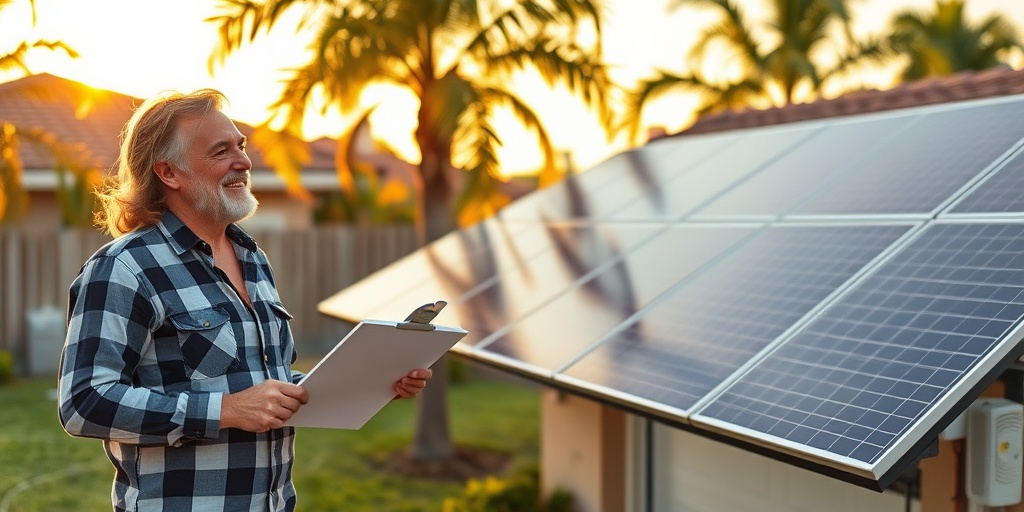
Meet Sarah, a retiree living in the sun-soaked community of Sarasota. Sarah, like many Floridians, grew weary of climbing electric bills that seemed to rise with every summer. The classic utility monopoly left her feeling trapped in a cycle of uncertainty. Inspired by her neighbors who had made the leap to solar, she decided to explore the possibility of going off-grid. This case study offers a deep dive into her journey, which not only transformed her financial outlook but also her perspective on energy independence.
- Initial Research: Sarah began her journey by gathering fundamental information about solar power. With over 70% of homes in Florida receiving ample sunlight, as evidenced by tracking solar potential in the region (FLoridaSolarStatistics.com), she felt optimistic.
- Consultation: After reaching out to Florida Electric & Solar, she was connected with an energy consultant to analyze her energy needs and assess the viability of going off-grid.
- System Design: The consultants helped Sarah devise a plan that included high-efficiency solar panels, a robust battery storage system, and a generator for emergency backup. Each component was essential for maximizing efficiency and ensuring reliability.
- Installation and Learning Curve: After installation, Sarah faced a learning curve in managing her off-grid system efficiently. With regular monitoring and adjustments, she learned to optimize her system for the best performance.
- Success and Savings: Today, Sarah enjoys an average savings of $150 per month on her energy bills, allowing her to allocate funds for travel and hobbies—an achievement worth celebrating!
In summary, Sarah’s journey—from initial skepticism to becoming an empowered off-grid solar owner—showcases the potential for independence through solar energy. Her experience is reflective of the growing sentiment among Floridians towards energy self-sufficiency.
Essential Checklist for Your Off-Grid Solar System
Planning your off-grid solar system might feel overwhelming initially, but with a straightforward checklist, you can stay on track. Use this list to ensure that you cover all essential aspects:
- Step 1: Audit Your Energy Usage – Evaluate your electricity bills and consumption patterns. Identifying your peak usage times can help size your system correctly.
- Step 2: Evaluate Your Site – Assess your property for sun exposure, shade from trees or buildings, and roof integrity. Ideally, a location with southern exposure will maximize solar energy capture.
- Step 3: Calculate System Size – Consult with a professional to determine the right size of the solar array and battery storage based on your energy needs.
- Step 4: Research Equipment Options – Understand the different types of solar panels, inverters, and batteries available on the market. Choose high-efficiency products for long-lasting performance.
- Step 5: Familiarize Yourself with Local Policies – Investigate Florida’s solar incentives, tax credits, and rebates to facilitate your transition to solar.
This checklist will guide you in making informed decisions every step of the way on your journey to off-grid solar energy.
Myth-Buster: Misconceptions About Off-Grid Solar Systems
As solar energy gains popularity, misconceptions often hinder individuals from transitioning. Let’s debunk some of the most common myths associated with off-grid solar systems:
- Myth #1: Off-Grid Systems Are Too Expensive – While initial costs can be high, the return on investment through reduced energy bills can outweigh the upfront expenses.
- Myth #2: You Need Technical Skills to Operate Off-Grid Systems – Most off-grid systems are designed with user-friendly interfaces and detailed guides to simplify operation. Many homeowners find managing their systems straightforward.
- Myth #3: Solar Panels Don’t Work in Florida – Contrary to this belief, Florida, with its sunlight-rich environment, ranks among the top states in the nation for solar energy generation (NREL.gov).
- Myth #4: Battery Life is Short – Modern advancements in battery technology have significantly improved their longevity, with many lithium-ion batteries lasting 10 to 15 years or more before requiring replacement.
- Myth #5: Off-Grid Means Total Isolation – Many systems have hybrid configurations that allow you to connect to the grid, providing backup power and additional security while still relying on your renewable energy source.
Understanding these myths can help alleviate fears and inspire confidence in the transition to solar energy.
Florida Specific Focus: Adapting to Local Solar Energy Policies
The landscape of solar energy in Florida is continually evolving, making it essential for homeowners to understand local policies and incentives. Florida’s solar potential is impressive, yet effective utilization requires attention to state-specific guidelines.
- Net Metering Policy: Florida allows net metering, enabling homeowners to sell excess energy back to the grid. This not only helps offset initial costs but also stimulates further investment in renewable energy (SEIA.org).
- Property Tax Exemptions: Florida grants property tax exemptions for solar systems, ensuring that your investment won’t lead to a higher tax bill. This can save homeowners thousands over time.
- State Incentives: Take advantage of state-level rebates, tax credits, and financing options available specifically for solar projects. This can significantly reduce your initial setup costs.
Developing a keen awareness of regional policies and leveraging available incentives can provide Florida homeowners with an advantage in their solar journey. The local focus emphasizes how government engagement directly impacts the success and efficiency of your solar energy system.
Technical Deep-Dive: Maximizing Efficiency of Your Off-Grid Solar System
Understanding the intricate components that make up your off-grid solar system is vital for achieving maximum efficiency. Here are the key elements to consider:
- Solar Panels: High-efficiency solar panels convert sunlight into electricity better than traditional options, maximizing your energy capture. Invest in Tier 1 panels from reputable manufacturers for reliability and warranty support.
- Inverters: The inverter converts the direct current (DC) generated by solar panels into alternating current (AC), which is used by your home. Choose high-quality inverters with a good efficiency rating—and consider microinverters for individual panel control.
- Battery Storage: The heart of your off-grid system lies in energy storage. Opt for lithium-ion batteries, which are lighter, more compact, and have a longer lifespan compared to traditional lead-acid options.
Each component must work efficiently together. Monitor your system regularly using performance tracking tools and adjust settings when necessary to optimize energy production.
Next Steps for Florida Solar Buyers in 2025
Now that you’re equipped with extensive knowledge about off-grid solar systems, it’s time to take actionable steps toward transitioning to solar energy:
- Step 1: Audit Your Electric Bill – Review your energy usage and determine cost savings by going solar.
- Step 2: Set a Budget – Know how much you can afford to spend and if financing options are necessary.
- Step 3: Explore Equipment Options – Research and compare brands for panels, inverters, and batteries.
- Step 4: Seek Professional Consultation – Engage with an experienced solar consultant for a tailored plan.
- Step 5: Start Communication with Local Solar Experts – Reach out to energy companies to begin your solar installation process.
Taking these steps will help pave your way to becoming a solar homeowner by harnessing the power of the sun!
Conclusion: Your Future with Off-Grid Solar Energy
In conclusion, the journey to off-grid solar energy is more than just an energy solution; it’s a path toward independence and security. As we’ve detailed in this article, understanding the “Critical Breakdown of Off-Grid Solar Systems for Maximum Efficiency” enables Florida homeowners to take charge of their energy future. From Sarah’s inspiring case study to the technical deep dive on system components, it’s clear that the knowledge and resources available in 2025 will make going solar not just feasible, but immensely rewarding.
As we look toward the future, remember the urgency behind this decision—energy independence, rising costs, and the desire to combat climate change. With Florida’s sunny weather and supportive policies, the time to act is now. Ready to start your solar journey in 2025? Connect with a certified expert at floridaelectricandsolar.com today.
“`
Related Articles
More insights about Off-Grid Solar

Myth-Buster: Off-Grid Solar Systems Are Not Always Unaffordable

What You Need to Know About Off-Grid Solar Systems

How One Florida Business Reduced Costs with Off-Grid Solar Systems
Ready to Go Solar?
Have questions about solar energy? Our experts are here to help you make the switch to clean, renewable energy.