
Myth-Buster: Debunking Common Misconceptions About Solar Battery Storage
Share:
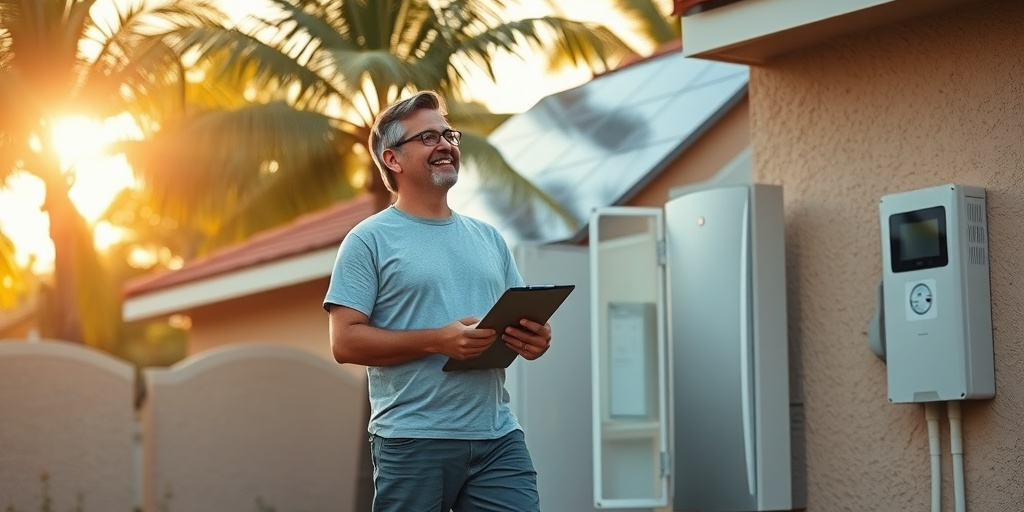
Have you ever wondered why solar energy is often met with skepticism? Despite its rising popularity, misconceptions about solar battery storage continue to cloud the conversation. In fact, a recent study found that up to 80% of potential solar adopters based their decisions on myths rather than facts (SEIA.org). This highlights a critical point: misinformation can stall progress towards harnessing clean energy. That’s why we are here today with our post titled, Myth-Buster: Debunking Common Misconceptions About Solar Battery Storage. It’s time to shed light on the realities of solar energy and battery storage systems, especially as Florida homeowners face rising electric bills and grid instability in 2025. Over the next several sections, we’ll explore each myth in-depth, provide actionable insights, and help you understand why going solar is not just a trend but a necessary step forward for your home and the environment.
In our journey today, we’ll dive into the following topics: the emotional journey of a Florida homeowner who embraced solar, a practical checklist to get started, debunking prevalent myths that deter people from considering solar battery storage, a focus on Florida-specific factors and policies that play into your decision, and a technical analysis that will empower you to make informed choices.
Unraveling the Myths: A Deep Dive into Solar Battery Storage
Let’s start by examining the emotional journey of a Florida homeowner facing escalating electricity rates and limited options.
Meet Sarah, a single mother from Orlando who felt the weight of her energy bills bearing down on her family. When she received her latest electric bill—a staggering $350—she knew changes were necessary. Like many, Sarah had heard various opinions about solar battery storage, but significantly, she had also heard the myths exaggerating the drawbacks. “Solar doesn’t work in cloudy Florida,” one friend told her, while another insisted that battery storage was “just a passing fad.” But Sarah was determined to find the truth.
She reached out to Florida Electric & Solar, where she learned that Florida’s abundant sunshine actually makes it an optimal location for solar. According to data, Florida is among the top states for solar potential, with over 1,000 average annual hours of sunlight (SolarReviews.com). Through consultations and research, Sarah discovered that solar systems with battery storage could not only act as a buffer against rising energy costs but also provide peace of mind during power outages—a common issue in Florida’s storm-prone climate.
- Cost Savings: After installing her solar battery system, Sarah reduced her electric bills by over 50%—a transformation that provides financial relief and prepares her family for emergencies.
- Grid Independence: Having a storage system allowed her to utilize stored energy when the grid was down, ensuring her children would never be in the dark during storms.
- Environmentally Friendly: Sarah felt empowered knowing her decision contributed to a cleaner environment for her children.
Feeling inspired? Here’s a checklist to help you navigate the path to solar adoption:
- Research Niche Concerns: Identify any concerns specific to your area or lifestyle.
- Get Multiple Quotes: Consult various providers for comprehensive comparisons.
- Understand Incentives: Investigate local and federal solar incentives that could reduce upfront costs.
- Consider Battery Compatibility: Ensure your solar panels and batteries work seamlessly together.
- Consult Experts: Reach out to professionals for installation and guidance.
Now, let’s move on to debunking those common myths associated with solar battery storage. Brace yourself as we dismantle the misinformation that keeps homeowners from realizing their solar potential.
Myth-Buster: Setting the Record Straight
In this segment, we will dismantle 5 widespread myths about solar battery storage. It’s time to separate fact from fiction.
Myth #1: Solar Doesn’t Work on Cloudy Days
One of the most persistent myths is that solar energy systems are ineffective during overcast weather. While it’s true that solar output declines with cloud cover, systems can still generate power. In Florida, with an average of 237 sunny days per year, solar panels capture enough energy to remain viable year-round (Energy.gov).
Myth #2: Batteries are Too Expensive to Justify
Many homeowners believe the cost of solar batteries outweighs their benefits. However, with advances in technology, battery costs have plummeted by nearly 70% over the past decade, making them much more accessible (SEIA.org). The initial investment can be recouped through savings on monthly electric bills, especially when paired with time-of-use rates.
Myth #3: Battery Storage is Not Reliable
Some skeptics raise concerns about battery reliability. Modern lithium-ion batteries are continually tested and improved, offering warranties that often exceed 10 years. Additionally, systems with battery backup ensure that you have power even during grid outages, making them a reliable choice for Florida homeowners.
Myth #4: Solar Systems Require Constant Maintenance
Misinformation exists regarding the maintenance of solar systems. Generally, solar panels are designed to be virtually maintenance-free, needing only occasional cleaning. Most of the maintenance is done through monitoring software that alerts homeowners about performance dips.
Myth #5: You Can’t Use Solar Power at Night
This myth is easy to debunk. Solar battery systems allow homeowners to store energy produced during the day for use at night, eliminating the need to rely solely on grid power. It provides autonomy and security, especially during power outages.
With these made clear, let’s examine Florida-specific factors that make solar battery storage a smart investment for 2025.
Florida Focus: Why Solar Battery Storage Makes Sense in the Sunshine State
Florida homeowners face a unique set of circumstances that highlight why solar battery storage is not just advantageous but essential.
- Rising Energy Costs: With energy costs anticipated to rise by 20% in the next five years (SEIA.org), homeowners can alleviate the financial strain by investing in a solar battery system.
- Incentive Programs: Florida offers a variety of incentives, including the state’s Solar Renewable Energy Credit (SREC) program, which provides them with a financial benefit when they install solar systems.
- Severe Weather Events: With Florida experiencing hurricanes and tropical storms, battery storage provides a critical backup during power outages, ensuring homes remain operational.
In addition to benefits, Florida has enacted legislation favoring solar energy, such as net metering, ensuring solar owners can offset their costs effectively by selling excess energy back to the grid.
Furthermore, with 78% of Floridians expressing support for the adoption of renewable energy (NREL.gov), the environment is ripe for further growth. The combination of financial incentives, natural disasters, and public opinion makes embracing solar battery storage a sensible choice for any Florida homeowner looking to secure their financial future.
Now, let’s delve deeper into the technical aspects of solar energy systems and how they can be optimized in your home.
Technical Deep-Dive: Understanding Your Solar Energy System
To make informed decisions, understanding how the components of your solar energy system work together is crucial. Here’s how they interconnect:
- Solar Panels: These convert sunlight into DC electricity, which is your energy source.
- Inverters: These devices convert DC electricity to AC electricity, making it usable for home appliances.
- Battery Storage: This system stores excess energy generated during the day for later use, ideally during peak rates or outages.
- Energy Management System: These systems monitor and optimize energy usage, helping to protect your battery life by managing when to draw from the solar or battery supply.
When paired effectively, these components minimize reliance on grid energy and offer a more sustainable and cost-effective solution. Understanding how to navigate your energy needs is vital, especially with electric rates continuously rising.
Moreover, educating yourself about billing structures, like time-of-use vs. flat rates, can greatly impact your overall savings. By optimizing usage based on solar generation and battery storage, homeowners can minimize costs significantly in the long run. An overall reduction in electric bills can reach as high as 80% with these systems installed (SolarReviews.com).
As we approach the final portion of our exploration, let’s outline the necessary steps for Florida homeowners to maximize their solar journey in 2025.
Next Steps for Florida Solar Buyers in 2025
So, what’s next for those eager to join the solar movement in Florida? Here’s a concise action plan to guide you through every step:
- Audit Your Electric Bill: Review past bills to gauge energy usage patterns and find the best size for your solar system.
- Research Financing Options: Explore financing programs or incentives that can help lower upfront costs.
- Consult with Experts: Engage local solar companies for customized consultations to fit your energy needs.
- Evaluate Installation Timeline: Determine the best time to install your system, taking into account potential weather disruptions in Florida.
- Monitor and Adjust: After installation, use software or apps to monitor energy usage and adjust settings for optimal performance.
This action plan lays the groundwork for reducing financial pressure while shoring up your energy independence for years to come. With properties capable of producing their own energy, homeowners not only reclaim control over their monthly bills but also contribute to a healthier planet.
In summary, we’ve traversed a fascinating landscape of confusion surrounding solar battery storage. Each myth we dismantled revealed the advantages that embracing solar brings—be it cost savings, environmental benefits, or energy autonomy. For Florida homeowners in 2025, the urgency of transitioning to solar is more pressing than ever as energy costs rise and the necessity for grid independence grows. The journey into this new era of energy is paramount, and it’s time to make the informed choice.
Ready to start your solar journey in 2025? Connect with a certified expert at floridaelectricandsolar.com today.
Related Articles
More insights about Battery Storage

Beginner’s Guide to Solar Battery Storage Essentials

Florida Homeowners: Unlock Benefits of Solar Battery Storage Today

7 Essential Steps for Solar Battery Storage Setup
Ready to Go Solar?
Have questions about solar energy? Our experts are here to help you make the switch to clean, renewable energy.