
Myth-Buster: Off-Grid Solar Systems Are Not Always Unaffordable
Share:
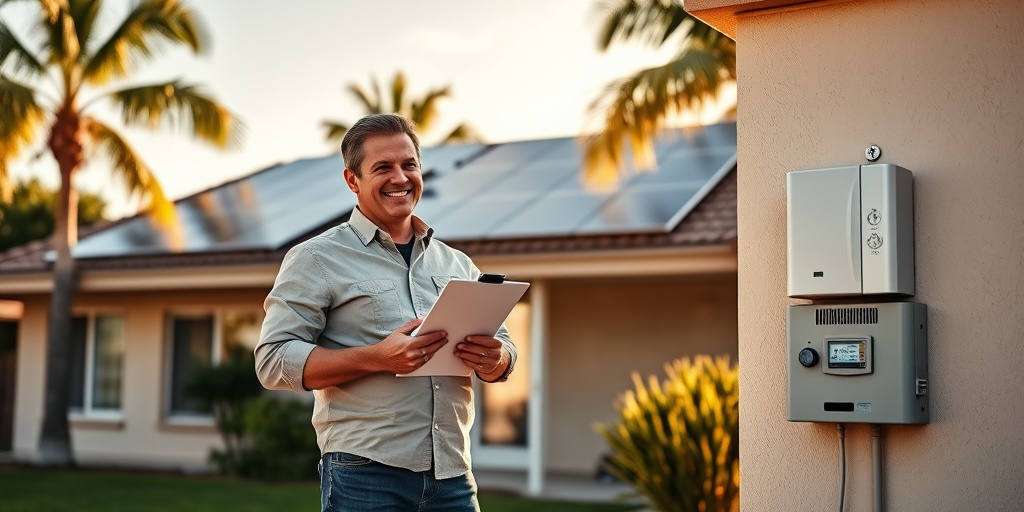
Imagine waking up to the gentle hum of a sunny Florida morning, sipping your coffee, and feeling the warmth of the sun streaming through your windows. But what if that sun not only warmed your home but also powered it? The dream of an off-grid lifestyle, supported entirely by solar energy, is within reach, even for those who believe it to be out of their financial grasp. This brings us to a critical topic in the solar industry—Myth-Buster: Off-Grid Solar Systems Are Not Always Unaffordable. A recent survey indicated that nearly 80% of homeowners with solar energy systems are satisfied with their decision due to substantial savings on electric bills (SolarReviews.com). Yet, many still cling to the myth that going off-grid requires astronomical investments. Furthermore, in 2025, as energy costs continue to surge—rising by an estimated 10% over the next few years (Energy.gov)—understanding the real accessibility and affordability of off-grid solar systems is more urgent than ever. This post will enlighten you on how this sustainable choice can be financially viable, detailing a comprehensive approach to dispelling myths surrounding off-grid solar systems, gathering crucial knowledge about the technology and costs involved, and providing actionable steps for Florida homeowners and commercial property owners. We will explore five key sections: the emotional journey of a typical Florida homeowner transitioning to off-grid solar, a helpful checklist to guide your solar path, the myths holding you back, sector-specific practices to maximize your success, and a well-structured action plan to empower your decision in 2025.
Understanding Off-Grid Solar Systems: A Deep Dive into Affordability
Picture John and Sara, a young couple living in the heart of Florida. After graduating college, they realized they wanted to live sustainably while minimizing their expenses. They began researching off-grid solar systems but were quickly discouraged by headlines touting the high initial costs often associated with these setups. They believed they lacked the financial means to invest in what they thought was a luxury reserved for the wealthy or tech-savvy. However, what John and Sara discovered changed their viewpoint entirely.
The truth is that the affordability of off-grid solar systems relies heavily on several factors: local incentives, customized packages, and the significant potential for long-term savings.
- Real-World Case Study: Following their investigation, John and Sara reached out to Florida Electric & Solar. The team conducted a thorough energy audit of their home, providing personalized recommendations. They learned about net metering programs available in Florida, which can offset costs significantly. Through careful planning, they managed to install a mixed solar panel and battery solution that cost about 50% less than the initial quote they received—thanks to federal incentives and state rebates (SEIA.org).
- Actionable Checklist: If you’re considering a similar venture, follow these steps:
- Research Incentives: Look into federal tax credits and state rebates that reduce costs.
- Evaluate Energy Needs: Calculate how much energy you consume to identify the optimal system size.
- Consult Local Experts: Engage with reputable solar companies, like Florida Electric & Solar, for accurate estimates.
- Consider Financing Options: Explore different financing avenues, such as solar loans or PACE programs.
- Assess Future Savings: Factor in potential savings over time to justify the installation costs.
- Debunking Myths: Now, let’s tackle some widespread beliefs that can deter potential buyers:
- Myth #1: Off-grid solar systems are prohibitively expensive.
Fact: Various financing options and incentives can significantly reduce upfront costs. - Myth #2: Off-grid means living without amenities.
Fact: Modern off-grid systems can comfortably power homes with all modern conveniences. - Myth #3: Only affluent individuals can invest in solar.
Fact: Grants and low-interest loans allow ease of access for many people, regardless of income.
- Myth #1: Off-grid solar systems are prohibitively expensive.
- Local Focus: In Florida, there’s good news for prospective solar buyers. The state has enacted laws supporting net metering, where residential solar system owners can receive credits for any excess energy they feed back into the utility grid, promoting affordability and energy savings (DSIREUSA.org).
- Technical Deep-Dive: Understanding unique components of solar technology is essential. A high-efficiency solar panel typically ranges between $2.50 to $3.50 per watt installed, with battery storage configurations increasing that cost. However, savvy buyers often leverage battery storage to complement grid independence, resulting in long-term payoffs. Additionally, investing in quality inverters, which convert solar energy to usable electricity, is equally significant. Quality equipment can lead to lower maintenance costs and better performance over time.
In conclusion, John and Sara’s journey from skepticism to satisfaction reflects a growing trend among Floridians. Being informed about their options not only empowered them to own their power but also illustrated how off-grid solar systems can indeed be affordable. Their newfound knowledge encourages other homeowners not to shy away from considering sustainable energy alternatives.
The Hidden Benefits of Going Off-Grid in Florida
Off-grid living offers myriad benefits beyond mere cost savings—most notably, environmental impact and energy independence. And as Florida homeowners look to the future in 2025, considering these hidden advantages becomes paramount.
Life Without Utility Bills: Going off-grid allows homeowners to tap into renewable energy sources, freeing them from traditional energy prices. Each kilowatt-hour produced leads to savings, which accumulate over time, enhancing overall financial health.
- Increased Property Value: Homes equipped with solar installations are seeing property values soar by as much as 20% (Zillow.com). The appeal of being eco-friendly resonates particularly with younger, environmentally-conscious buyers.
- Net-Zero Energy Costs: Striving for a net-zero lifestyle means your home produces as much energy as it consumes. This ideal is becoming more attainable with optimized battery solutions and intelligent solar technology.
- A Resilient Energy Supply: In Florida, where hurricanes and severe weather can disrupt the electrical grid, being off-grid provides peace of mind. Owners can maintain a steady energy supply regardless of external factors.
As the pursuit of sustainability intensifies and electricity prices continue to rise, more Floridians are considering solar energy as not just a cost-effective option but as a way of life. The reality is that going off-grid is more than a decision to switch energy sources; it embodies a commitment to stewardship of the planet.
In fact, as homeowners invest in their solar energy futures, demand for advanced solutions heightens. Solar batteries, for instance, have witnessed a significant annual growth rate of around 20% (NREL.gov). Such statistics illuminate the tangible shift toward solar systems that bolster independence while catering to evolving lifestyles.
Transitioning to off-grid functionality doesn’t come without challenges, and success lies in awareness and preparation. To embark on this journey, consider these essential aspects:
- Stay informed about local solar laws and regulations.
- Prioritize quality and durability of the components in your system.
- Engage with knowledgeable solar professionals who can guide you through the complexity of installation and design.
5 Expert Installation Tips for a Successful Transition to Solar
Thinking about making the leap to solar power? Here are five expert installation tips that can help you navigate the complexities of going off-grid.
- Don’t Skimp on Quality: Invest in high-quality panels and batteries. Cheap solutions can lead to additional costs in replacements and repairs.
- Optimize Panel Placement: Proper sunlight exposure is critical for efficiency. Factors like tilt, orientation, and shading can significantly affect energy output.
- Work with Reputable Contractors: Choose certified installers, like those from Florida Electric & Solar, who understand Florida’s unique climate and regulations.
- Plan for Expansion: If you intend to increase your energy demand in the future, design your system to accommodate this growth for seamless upgrades later on.
- Monitor Performance: Regularly check your system’s efficiency to ensure everything functions smoothly. Early identification of problems allows for timely corrections.
Given the dynamic nature of energy needs, Florida homeowners should be proactive in mitigating pain points associated with off-grid living. Ultimately, a forward-thinking approach maximizes solar savings and enhances the journey toward independence.
A Florida Homeowner’s Fictional but Realistic Solar Odyssey
Picture Julie, a devoted mother of three living in a suburban area of Orlando. When Julie first heard about off-grid living, she thought it sounded idyllic yet unattainable. Annual electric bills were straining the family budget, and the idea of zero utility payments seemed beyond reach. Intrigued by a conversation with a friend, she decided to educate herself on solar energy opportunities.
Through research, Julie discovered a step-by-step plan to achieve her off-grid dream:
- Energy Audit: Julie invested in an energy assessment, highlighting ways to reduce consumption, such as updating her appliances and insulation.
- Personalized Solar Design: Consulting with a solar provider led to a tailored system capable of powering her entire household, optimizing costs through net metering programs.
- Community Engagement: She connected with others in her area who had gone solar, fostering a network of support and learning.
- Financing and Incentives: With federal tax credits and state rebates, she found her investment was much lower than expected, motivating her to proceed.
As Julie followed through with her strategy, she witnessed her energy bills drop to zero, all while the value of her home began to rise. This was not just a financial win; it represented freedom from the fluctuation of energy prices. By investing in future technology, Julie’s family learned to appreciate the serenity that came with self-sufficiency.
The journey didn’t come without its hurdles: exploring local laws, navigating permits, and ensuring quality installations. However, with each goal accomplished, Julie felt increasingly empowered. She embraced the lifestyle of sustainability, teaching her children about the importance of caring for the planet. Ultimately, this fictional journey mirrors many Florida homeowners’ experiences, revealing the potential for affordability and satisfaction through careful planning.
Next Steps for Florida Solar Buyers in 2025
Are you ready to embark on your solar journey? Here’s a practical, step-by-step guide to streamline the process and enhance your experience.
- Step 1: Audit Your Electric Bill: Review your recent electric bills thoroughly. This benchmark will help justify your transition to off-grid. Calculate average costs and consider future electrical needs as those will factor into system size.
- Step 2: Research Local Incentives: Keep abreast of state-specific benefits available to Florida residents; numerous programs can significantly reduce costs.
- Step 3: Engage with Local Solar Experts: Connect with a local company such as Florida Electric & Solar for guidance in selecting the best technology for your needs.
- Step 4: Plan and Budget: Choose your financing methods carefully. Whether through loans, leases, or cash purchases, develop a feasible budget that aligns with your financial situation.
- Step 5: Monitor and Optimize: After installation, maintain regular checks and updates on the system to ensure peak functioning, addressing any issues immediately.
Achieving an off-grid lifestyle is possible for every Florida homeowner who is willing to invest time and knowledge into the process. The effort will not only reward you financially but will also contribute to a sustainable and independent lifestyle.
As we wrap up this enlightening exploration on the affordability of off-grid solar systems, it’s clear the possibilities are vast. The journey toward energy independence and sustainability, facilitated by solar energy, holds immense potential for you and your family.
In summary, the path to going solar may contain its challenges, yet the long-term benefits far outweigh initial apprehensions. Remember the importance of being an informed homeowner and seeking out expert guidance. Your choices today can empower you for years to come. Are you ready to harness the power of the sun? Connect with a certified expert at floridaelectricandsolar.com today!
Related Articles
More insights about Off-Grid Solar

What You Need to Know About Off-Grid Solar Systems

How One Florida Business Reduced Costs with Off-Grid Solar Systems

Deep Dive: Understanding Off-Grid Solar Systems for Energy Independence
Ready to Go Solar?
Have questions about solar energy? Our experts are here to help you make the switch to clean, renewable energy.