
Warning: Don’t Make These Mistakes When Installing Solar Panels
Share:
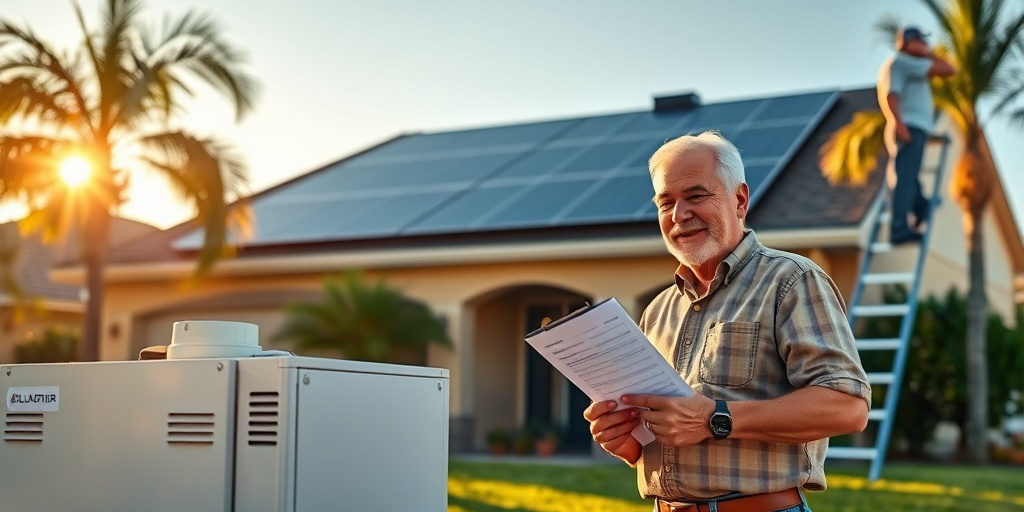
As the energy landscape evolves, solar power has emerged as a beacon of hope for homeowners and commercial property owners alike. Did you know that Florida leads the nation in solar energy potential, with sufficient sunshine to produce more than 25 percent of the country’s energy needs? In fact, according to the Solar Energy Industries Association, Florida added 123,000 residential solar systems in 2021 alone, benefiting thousands of homeowners and businesses (SEIA.org). However, with this rapid growth comes an urgent warning: the reality is that many solar installations can be riddled with hidden pitfalls that can significantly impact your utility bill savings. This article, titled Warning: Don’t Make These Mistakes When Installing Solar Panels, aims to illuminate the potential pitfalls while arming you with the knowledge you need to protect your investment for 2025 and beyond. Given the rising energy costs and evolving government incentives, understanding how to avoid these common mistakes in your solar journey has never been more crucial.
In this article, we will delve into five critical sections:
- We will share a compelling case study highlighting a Florida homeowner’s experience.
- You will receive a thorough checklist of common mistakes to avoid.
- We will debunk prevalent myths surrounding solar energy installation.
- Local insights specific to Florida will help ground your knowledge in real-world applications.
- A technical deep dive will uncover the complexities of installation, including billing and incentives.
Every homeowner deserves to reap the benefits of this clean energy source without the frustration that comes from avoidable mistakes. Let’s ensure your solar journey is a bright one.
Understanding the Risks: A Florida Homeowner’s Journey with Solar
Meet Clara, a middle-aged homeowner residing in Orlando, Florida. Clara had always dreamed of going solar, not only for environmental reasons but to slash the soaring electricity bills that had increasingly burdened her financially. On the surface, the decision seemed straightforward: install solar panels, save money, and contribute to a greener planet. But unbeknownst to Clara, the process would unveil several common mistakes that many first-time solar buyers often overlook.
Initially, Clara was enticed by what appeared to be a lucrative deal from a solar installation company. They promised an extensive solar system covering her roof at an irresistible price. However, she didn’t realize that without thorough research, she was about to engage in a contract with numerous hidden fees and questionable installation practices that could impact her system’s overall efficiency.
According to a report from the National Renewable Energy Laboratory, improper installation can lead to a 20-30% reduction in energy output (NREL.gov). With this sobering fact in mind, Clara felt a wave of anxiety as she could unknowingly risk her investment. Let’s explore specific steps she could have taken to avoid such pitfalls.
Checklist of Mistakes to Avoid When Installing Solar Panels
Step 1: Avoid the Cheapest Option
While attractive, cheaper quotes often come with hidden costs. Many inexperienced installers cut corners to offer lower prices, leading to future repairs and inefficiencies.
Step 2: Neglecting System Design
Solar systems should be tailored to your specific energy needs and the orientation of your roof. Neglecting a detailed analysis can result in underperformance.
Step 3: Ignoring Licenses and Certifications
Hiring an unlicensed contractor may allow you to save money upfront, but may also create serious long-term issues. Ensure that your installer is licensed and has the appropriate certifications.
Step 4: Overlooking Warranties
Warranties are crucial for your peace of mind. Be sure to understand what each warranty covers and for how long—most reputable panels come with a 25-year warranty on performance.
Step 5: Failure to Evaluate Financing Options
From cash purchases to leasing and loans, understanding your financing options is paramount. Picking the wrong financial approach could inflate your total costs.
Clara’s story is a reminder that it’s crucial to educate yourself to avoid unnecessary costs and disappointment. The benefits of going solar are undoubtedly compelling, especially in a sun-rich state like Florida, where solar energy is not just an alternative but an emerging necessity. For more details and expert advice, visit floridaelectricandsolar.com.
Debunking Common Myths about Solar Panels
Myth #1: Solar Panels Don’t Work in Cloudy Weather
Contrary to popular belief, solar panels can still generate energy on cloudy days. In fact, they can produce energy even in indirect sunlight. A 2021 report indicated that Florida experiences over 260 sunny days a year— ample opportunity for solar energy production (SolarReviews.com).
Myth #2: Installing Solar Panels is Too Expensive
Although the initial investment may seem daunting, financing options and tax credits can significantly reduce upfront costs. The federal solar tax credit, for example, allows you to deduct a substantial percentage of your solar system cost from your federal taxes (Energy.gov).
Myth #3: Solar Panels Require Too Much Maintenance
While some maintenance is necessary, it is far less than many homeowners assume. Depending on the area, cleaning and occasional inspections will ensure optimal performance. Many systems can operate efficiently for decades with minimal upkeep.
Myth #4: You Can’t Install Solar Panels on Rental Properties
While it’s true that fewer renters opt for solar installations out of desire for roof ownership, property owners can install systems and pass on savings or rent credits to tenants, creating mutual benefits.
Myth #5: You’ll Never See a Return on Your Investment
Many may think that the costs of installation will outweigh savings. Yet, studies show that homeowners can save tens of thousands of dollars over the life of the system, often recovering installation costs within just 5-7 years (SEIA.org).
These misunderstandings can lead to missed opportunities for countless Florida homeowners. It’s essential to cultivate accurate knowledge to make an informed decision as you embrace solar energy.
Best Practices for Solar Panel Installation in Florida
As solar technology continues to evolve, staying informed can significantly improve the efficacy and satisfaction of your solar investment. Here are five best practices to bear in mind:
1. Invest in Quality, Not Just Price
Rather than focusing solely on the sticker price, evaluate the quality of solar panels and inverters being offered. The longevity and efficiency of high-quality products often yield greater returns over their lifespans.
2. Consult with Local Experts
Navigating the solar landscape can be tricky. It’s best to work with local experts who understand Florida’s regulations, incentives, and environmental factors that may impact your solar investment.
3. Optimize Your Solar Site Assessment
A thorough solar site assessment will help you understand your energy needs, roof orientation, and shading analysis to ensure optimal panel placement and performance.
4. Understand Your Net Metering Policy
Net metering allows homeowners to receive credits for excess energy generated by their solar system. Familiarize yourself with Florida’s current net metering policies to maximize savings (SolarReviews.com).
5. Keep an Eye on Incentives
Federal and state incentives may change from year to year. Keeping track of these can greatly affect your financing options and the overall ROI of your solar investment.
Each of these best practices can help ensure that your solar investment is not only recoverable but also maximized for efficiency and long-term savings. Seek expert advice for your next steps, such as those found at floridaelectricandsolar.com.
Next Steps for Florida Solar Buyers in 2025
Ready to embark on your solar journey? Here is your action plan:
- Step 1: Audit Your Electric Bill
- Step 2: Research Different Solar Installers
- Step 3: Schedule Site Assessments
- Step 4: Review Financing Options
- Step 5: Finalize Your Installation
Understanding your current energy consumption is foundational. Review your bills for monthly usage to estimate the size of the solar system you’ll need.
Take time to evaluate multiple companies. Look for customer reviews, their licensure, and any available ratings.
Invite local installers to your property to conduct comprehensive site assessments, which will help assess optimal panel placement.
Explore various financing opportunities, including loans, leasing, and cash options. Ensure you understand their long-term implications on your savings.
Once you’ve decided on an installer and financing option, schedule the installation and prepare for the energy transformation in your home or business!
Each of these steps reduces friction to empower you in taking advantage of the many blessings solar power offers. Be sure to keep up to date with Florida’s evolving policies and incentives, which can aid your decisions.
In conclusion, understanding the critical factors in solar panel installation is paramount for success and savings. The journey that Clara took showcases the importance of avoiding common pitfalls in order to fully benefit from your investment. With rising energy costs and increased state support for solar initiatives, there’s no better time to embrace solar power. Ultimately, choosing the right path today can secure a financially stable and eco-friendly future for yourself and your community. Your decisions matter—don’t let them be swept away by misinformation, ignorance, or impatience.
Are you ready to start your solar journey in 2025? Connect with a certified expert at floridaelectricandsolar.com today.
Related Articles
More insights about Solar Panels

Myth: Solar Panels Don’t Increase Home Value in Florida

Expert Insights: The Lifespan of Solar Panels Explained

How One Florida Homeowner Saved with Solar Panel Installation
Ready to Go Solar?
Have questions about solar energy? Our experts are here to help you make the switch to clean, renewable energy.