
Beginner’s Guide to Off-Grid Solar Systems for Energy Independence
Share:
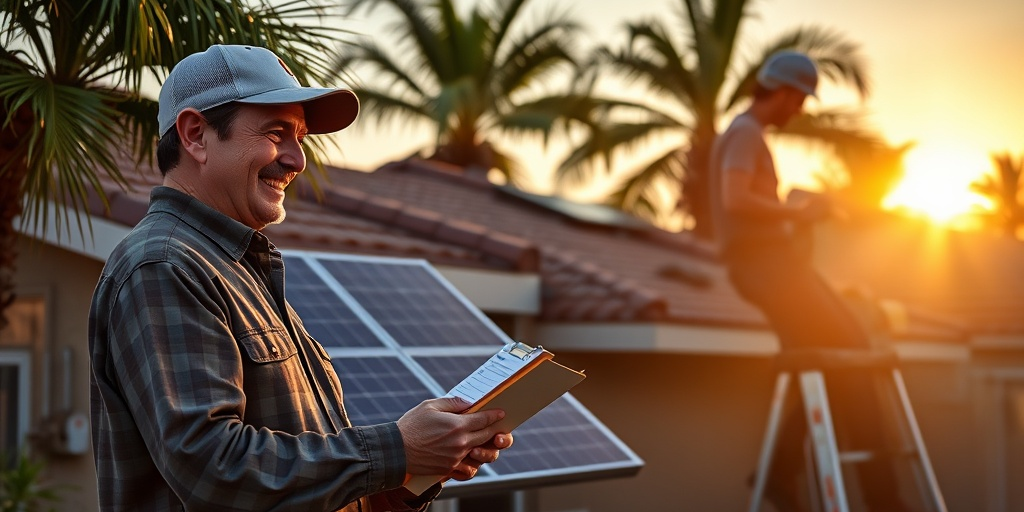
As homeowners increasingly seek independence from soaring energy costs and unreliable power grids, many are turning their sights toward off-grid solar systems. Did you know that the average Florida homeowner spends approximately $2,000 yearly on electric bills? With state incentives supporting solar adoption, now is an auspicious time to explore alternatives that can cut costs and build resilience. This is the essence of the Beginner’s Guide to Off-Grid Solar Systems for Energy Independence. Off-grid systems not only reduce your dependence on conventional power but also empower you to embrace a more sustainable lifestyle, especially crucial as Florida faces unique climate challenges in 2025, including rising temperatures and extreme weather events. According to the Florida Solar Energy Center, installing solar can lead to savings of up to 50% in energy costs on average (FSEC). This guide will walk you through the fundamentals of off-grid solar systems, why they matter, and how you can implement one in your own home. In the following sections, we’ll explore a rich case study of a Florida homeowner, a checklist for getting started with off-grid systems, common myths around solar, the local solar scene in Florida, and a technical dive into the components that make up these systems.
Understanding Off-Grid Solar Systems: A Case Study
Meet Sarah, a homeowner in Orlando, who one day decided enough was enough. She was frustrated with the unpredictability of her energy bills and the lack of control over her utility costs. Sarah’s story begins with her vision for energy independence—a dream that seemed far out of reach in the face of traditional energy sources. However, after researching and connecting with various experts, she became inspired to transition to an off-grid solar system.
After initial consultations, Sarah learned that an off-grid system would allow her to generate, store, and use her own energy without relying on the utility grid. She calculated her energy needs and understood that her roof could accommodate a solar panel setup, with potential capacity of around 8 kilowatts. To make this dream a reality, she followed a checklist:
- Step 1: Assess Energy Needs – After evaluating her electric usage, she realized she could potentially save 60% annually on her electric bills.
- Step 2: Choose Quality Equipment – Researching various brands led her to select high-efficiency panels with robust warranties, along with reliable battery storage.
- Step 3: Find Qualified Installers – Sarah opted for a Florida-based solar company recognized for their expertise and strong customer support.
- Step 4: Install and Monitor – The installation took about two weeks, and she utilized monitoring technology to track her energy performance constantly.
- Step 5: Review and Adjust – Over the following months, she adjusted her consumption patterns and felt empowered, seeing her electric bill drop to virtually zero.
Sarah’s transition wasn’t without challenges, as there are misconceptions surrounding off-grid systems. One common myth suggests off-grid living is impractically expensive or just for remote locations. In reality, advancements in technology and decreasing equipment costs have made significant savings attainable for Florida homeowners, with the average payback period for solar investments ranging between 5 to 7 years (SolarReviews.com). Plus, with abundant sunlight and a favorable climate, Florida is an ideal state for harnessing solar energy.
Transitioning off the grid, Sarah found not just economic relief but also an emotional fulfillment that comes with sustainable living. Her journey serves as an empowering narrative for others considering the leap into promoting energy independence.
As you ponder over the possibilities of going off-grid, think about how your lifestyle and values align. From here, let’s take a closer look at the critical components of your off-grid solar energy system.
Essential Checklist for Going Off-Grid
Deciding to go off-grid is an empowering decision, but it’s essential to follow a structured plan. Here’s a detailed checklist that will guide you through the steps of setting up an off-grid solar system:
- Research Local Regulations: Before installing solar, familiarize yourself with your local permitting requirements and regulations specific to solar energy systems.
- Conduct a Home Energy Audit: Assess your energy consumption patterns to understand how many solar panels you need and what size battery systems to use.
- Choose the Right Solar Components:
- Solar Panels: Opt for high-efficiency panels, ideally those that have performance guarantees.
- Batteries: Lithium-ion batteries are recommended for their long lifespan and fast-charging capabilities.
- Inverter: This converts the direct current (DC) from your panels and batteries into alternating current (AC) used by most appliances.
- Budget and Financing: Look into available tax credits and incentives that can cover up to 30% of installation costs.
- Connect with Local Installers: Partner with reputable solar energy companies that specialize in off-grid systems—choose those with credible reviews and proven histories.
When following this checklist, it’s advisable to keep Florida’s specific solar incentives in mind. The state offers several programs that can significantly reduce financial barriers, such as the Solar Energy System Incentives program which provides rebates for qualified projects (DSIREUSA.org). This structured approach not only prepares you for installation but also makes your transition smoother.
Common Myths About Off-Grid Solar Systems
As with any new investment, several myths surround off-grid solar systems that can complicate homeowners’ decisions. Let’s debunk some common misconceptions:
- Myth #1: Off-Grid Systems Are Too Expensive – While initial costs can seem high, the long-term savings and available tax incentives make off-grid systems a cost-effective solution.
- Myth #2: You Can’t Access Grid Power – In reality, many off-grid solar systems incorporate hybrid solutions that allow for emergency backups to the grid.
- Myth #3: Off-Grid Living Is for Survivalists – This notion persists, yet many homeowners are choosing off-grid systems for financial independence rather than a radical lifestyle change.
- Myth #4: Off-Grid Is All or Nothing – Many Floridians create a mixed approach, using both grid power and solar panels to maximize savings.
- Myth #5: Maintenance Is a Hassle – Off-grid systems typically require minimal maintenance, especially if you choose reliable brands and install them correctly.
Addressing these myths is crucial for Florida homeowners poised to switch to renewable energy systems. As the state navigates increasing heat waves and power shortages, moving toward solar power can alleviate strain on the grid while providing a more sustainable, reliable, and cost-effective energy source (Energy.gov).
The Local Solar Scene in Florida
Florida stands at the forefront of solar energy adoption, with more than 1.4 million solar systems installed across the state (SEIA.org). As you delve into off-grid solar systems, it’s essential to familiarize yourself with Florida-specific factors that can impact your project:
- Incentives to Consider: The Federal Solar Investment Tax Credit (ITC) allows homeowners to deduct 30% of the cost from their federal taxes, which can mean substantial savings.
- Climate Suitability: Florida enjoys ample sunshine year-round, making it an ideal region for solar panel efficiency, typically producing power even on partially cloudy days.
- Local Support Networks: Several local organizations provide resources and networks for solar enthusiasts to share tips and enhance community solar knowledge.
Given the environment’s volatility, plus an increase in electrification in Florida, harnessing solar energy offers homeowners security for both economic and environmental sustainability. In 2025, our pressing climate challenges can empower residents to take control through effective resource management.
If you’re ready to explore your options, partnering with specialists can make all the difference in understanding the local nuances while planning your personalized system.
Next Steps for Florida Solar Buyers in 2025
Getting started with your off-grid solar journey involves actionable steps to ensure success and security. Here’s your road map:
- Step 1: Audit Your Electric Bill – Review your past electric bills to determine your average monthly consumption.
- Step 2: Explore Financing Options – Investigate available loans, grants, and incentives tailored for Florida homeowners transitioning to solar.
- Step 3: Choose Your Equipment – Research and select the best equipment suited for your energy needs and lifestyle.
- Step 4: Hire Certified Installers – Seek out qualified professionals in your area to ensure efficient installation and net safety.
- Step 5: Monitor Performance – Post-installation, keep track of your energy generation and consumption to adjust your practices accordingly.
These steps not only simplify your journey but also enhance accountability as you transition into renewed energy independence. For more assistance and to connect with expert installers, feel free to browse floridaelectricandsolar.com, where you’ll find a trove of resources tailored just for Florida homeowners.
Conclusion: Your Path to Energy Independence
The transition to an off-grid solar system is not just a decision; it’s a transformative journey that allows Florida homeowners to embrace sustainable living while significantly cutting back on long-term costs. From Sarah’s inspiring case study to practical checklists, we’ve exposed the truths behind common myths and shed light on the remarkable resources Florida offers its residents. Making informed decisions now will pay off significantly as energy needs continue to evolve in 2025 and beyond.
As you consider taking the leap into solar energy, envision the future of your home and family flourishing under clean, renewable power—a future where you control your energy destiny. The urgency of this decision is clear; energy independence can shield you from fluctuating rates and grid instability while building a more sustainable community. Remember, the time to act is now—don’t wait for the next bill shock to make a change.
Ready to start your solar journey in 2025? Connect with a certified expert at floridaelectricandsolar.com today.
Related Articles
More insights about Off-Grid Solar

Myth-Buster: Off-Grid Solar Systems Are Not Always Unaffordable

What You Need to Know About Off-Grid Solar Systems

How One Florida Business Reduced Costs with Off-Grid Solar Systems
Ready to Go Solar?
Have questions about solar energy? Our experts are here to help you make the switch to clean, renewable energy.