
Technical Deep-Dive: Understanding Off-Grid Solar Systems in Florida
Share:
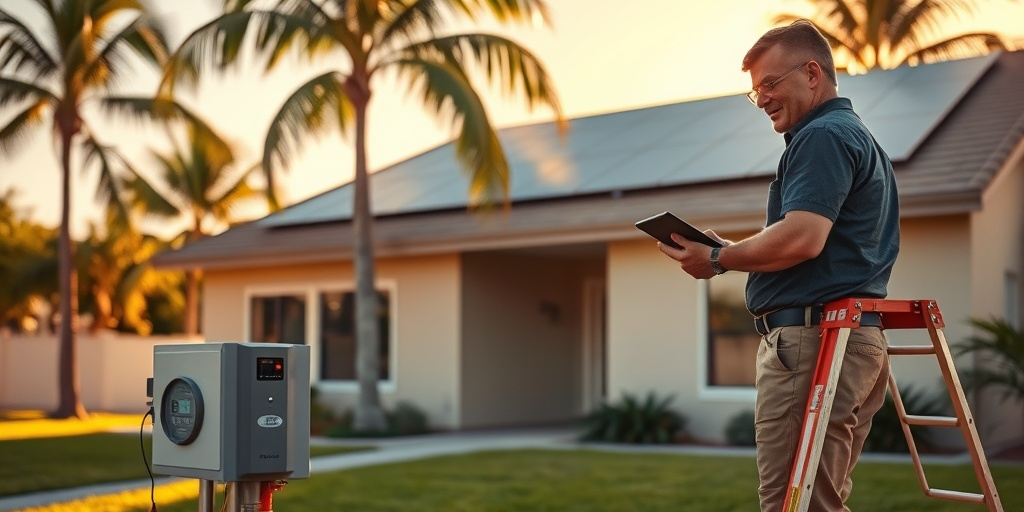
Imagine a world where the sun doesn’t just shine brightly in the Florida sky but also powers your home, offering you energy independence that protects you from rising electricity costs. In 2025, that vivid reality is not merely a dream for Florida homeowners; it’s possible through off-grid solar systems. Welcome to our Technical Deep-Dive: Understanding Off-Grid Solar Systems in Florida, where we will explore how you can maximize your energy independence in the Sunshine State. A 2023 report indicated that Florida ranks first in terms of total solar capacity installed, with more than 26.92 gigawatts of capacity distributed throughout the state (SolarReviews.com). Furthermore, the recent 2024 federal solar tax credit of 30% is a massive incentive for homeowners and commercial property owners looking to embrace solar technology (SEIA.org). As energy prices continue to soar and the grid shows signs of instability, the need for off-grid solutions becomes exceedingly pressing. In this comprehensive guide, we’ll delve into the following five sections: a deep dive into why off-grid solutions make sense, practical checklists for solar implementation, a myth-busting segment on misconceptions around solar, a local focus on Florida-specific initiatives, and actionable next steps for prospective solar buyers. Get ready; the sun is shining on your path to solar energy independence!
What Makes Off-Grid Solar Systems Ideal for Florida Homes and Businesses?
Off-grid solar systems deliver energy independence, allowing users to generate and store their own electricity using renewable resources. Picture this: the Jones family, living in a rural part of Florida, decided to install an off-grid solar system. Despite living miles away from the nearest power grid, they produced enough energy to fully power their home, eliminating any reliance on conventional electricity supplies. However, this journey wasn’t without its challenges.
To make informed decisions when venturing into off-grid solar living, consider the following checklist:
- Create a detailed energy assessment: Understand your energy needs, including peak usage hours.
- Select appropriate solar panels: High-efficiency panels can enhance energy generation.
- Invest in quality storage solutions: Lithium-ion battery systems can ensure you have power during non-sunny days.
- Choose the right inverter: Proper inverters convert solar energy into usable electricity effectively.
- Regularly maintain your system: Keeping your equipment in check guarantees optimal performance.
Understanding misconceptions surrounding off-grid solar systems is crucial. Here are three common myths:
- Myth #1: Off-grid systems are too expensive – While initial investments can seem high, state incentives such as Florida’s solar tax credit significantly reduce upfront costs.
- Myth #2: Off-grid living means giving up modern comforts – With smart energy management and adequate planning, off-grid systems can seamlessly support modern appliances.
- Myth #3: Solar energy is unreliable – In sunny Florida, solar energy is one of the most reliable sources, with the state averaging over 260 sunny days per year (NREL.gov).
In Florida, various local initiatives are propelling the solar movement. The state offers net metering policies, which allow solar panel owners to receive credits for energy fed back into the grid, creating additional savings and maximizing returns (SolarReviews.com). As technological advancements in battery storage materialize, Florida homeowners can invest in high-efficiency solar systems that ensure a constant energy supply, rain or shine.
Understanding the technical components of an off-grid solar setup is just as important. Essential elements include solar panels, batteries, and inverters. Solar panels convert sunlight into electricity, while batteries store excess energy for cloudy days. Inverters are responsible for converting direct current (DC) from panels and batteries into alternating current (AC), which is used to power your home. By understanding these components, you can effectively optimize your energy management and minimize waste.
As we move forward, it becomes evident how vital it is to educate oneself on these energy independence strategies. Those who equip themselves with information will find the trials of implementation worthwhile in the pursuit of sustainable energy autonomy.
In-Depth Analysis of Off-Grid System Components
Understanding each component of your off-grid solar system is crucial for achieving the desired energy efficiency and cost savings. These components, when well understood and matched properly, offer a pathway to energy independence that significantly benefits Florida homeowners.
- Solar Panels: The size, type, and efficiency of solar panels impact energy yields. For Florida homeowners, opting for monocrystalline panels often results in higher efficiency and space-saving solutions.
- Battery Storage: Battery technology has progressed considerably, with lithium-ion batteries emerging as the leading choice for off-grid systems. They are efficient, have a longer lifespan, and offer more power capacity than traditional lead-acid batteries.
- Inverters: Choosing a quality inverter is essential. Sine wave inverters provide a stable output compatible with sensitive electronic devices, thus ensuring optimal function without damaging appliances.
- Mounting Structures: Your solar panel’s installation orientation and angle can greatly affect performance, making it vital to consider Florida’s prevalent weather patterns and sun path.
- Monitoring Systems: Investing in solar monitoring technology allows you to track energy production and consumption in real time, making troubleshooting and performance optimization much more manageable.
Moreover, the installation process is key in optimizing these components. The more meticulously you evaluate each aspect, the more effectively your off-grid system will function, shortening the time it takes to reach a return on investment, particularly as electricity prices continue to climb. As of 2023, Florida residents who transitioned to solar saved an average of $1,200 per year on their electric bills (Energy.gov).
As we delve further into this technical landscape, we venture into best practices that maximize functionality among all components while reducing potential barriers to solar adoption.
5 Expert Solar Installation Tips for 2025
The path towards successful implementation of off-grid solar systems requires attention to detail and expert advice. Here are five best practices from seasoned solar industry experts:
- Prioritize panel placement: Don’t skimp on solar panel placement—optimal positioning can yield up to 20% more energy generation.
- Consider microinverters: Utilizing microinverters can allow individual monitoring of solar panels, enhancing fault detection.
- Engage a professional installer: Professional installation ensures proper system design and adherence to local regulations, maximizing safety and efficiency.
- Implement a regular maintenance schedule: Scheduling upkeep can prolong the lifespan of your system, allowing it to function at peak performance.
- Integrate energy efficiency measures: Before you install solar, evaluate your home or business’ energy efficiency. Simple changes, such as LED lighting or improved insulation, can lower energy consumption significantly.
The 2024 federal solar tax incentive creates an opportunity for homeowners contemplating solar. By understanding these installation tips, buyers can streamline their transition into off-grid living and further enhance their energy savings. For more information about incentives and installation procedures, check out floridaelectricandsolar.com.
Real-World Example: A Florida Homeowner’s Solar Journey
Meet Susan, a single mother residing in Sarasota. Faced with rising electricity costs and discontent with utility services, she took the leap into solar energy. After conducting research and reaching out to local solar providers, she found the ideal off-grid solar system tailored to her unique circumstances.
Initially hesitant about the costs and complications, Susan soon learned that taking steps toward energy independence could make both financial and emotional sense. Here’s a snapshot of her key steps:
- Conducting thorough research: Susan scourged local resources and online forums to gather insights about off-grid systems.
- Consulting with experts: Engaging with Florida Electric & Solar, she received tailored recommendations and learned about available incentives.
- Calculating initial investments: Together with her solar consultant, she mapped out the costs—easily alleviated by the available tax credits and reduced long-term energy bills.
- Installation process: Experienced installers managed the project, ensuring optimal panel placement, system configuration, and compliance.
- Enjoying reduced utility bills: Post-installation, Susan saw a noticeable reduction in her energy expenses; monthly savings paid for her solar investment.
Susan’s journey exemplifies that moving to solar doesn’t just promise economic benefits; it offers emotional liberation from a cumbersome utility system. In the face of Florida’s unpredictable weather, the reliability of solar is undeniable. In fact, over 80% of homeowners who transition to solar report increased satisfaction with their energy arrangements (NREL.gov).
Susan’s story is just one among many. Each roadmap toward energy independence illustrates the tangible results that off-grid solar systems deliver, setting the stage for impactful decisions in the future. As potential solar buyers weigh their options, understanding firsthand experiences can pave the way toward confident choices.
Next Steps for Florida Solar Buyers in 2025
Thinking about transitioning to an off-grid solar system? Here are clearly outlined next steps that can help streamline your journey:
- Audit Your Electricity Bill: Understand your average monthly consumption to identify your off-grid system needs.
- Evaluate Your Property’s Solar Potential: Assess your roof’s orientation and shading. Resources like Google’s Project Sunroof may provide guidance.
- Research Local Incentives: Investigate various state offers that can offset the cost of your solar investment, including Florida’s property tax exemption for solar systems.
- Contact Solar Providers: Reach out to certified solar installers for quotes and detailed assessments of your options.
- Plan Your Financing: Establish a budget for upfront costs and monthly savings comparisons to gauge long-term benefits.
As costs of conventional energy rise, these steps empower Florida homeowners to make informed decisions. It’s crucial to adopt a strategic approach—one that not only maximizes savings but also aligns with sustainability goals. By connecting with experts at floridaelectricandsolar.com, you can ensure your transition to off-grid living unfolds smoothly and efficiently.
In find-nurturing this journey towards solar energy independence, you’ve explored the intricacies and components of off-grid systems, gained critical insights into best practices, and learned from real-world experiences. From the Jones family’s initial struggles to Susan’s empowering story, it’s evident that the future of energy independence is not just about harnessing the sun, but also about taking actionable steps to embrace this transformation. As energy costs continue to rise, the sense of urgency around adopting solar solutions amplifies—whether for financial freedom or simply for a more sustainable future.
Are you ready to pave your way into a brighter, solar-powered future? Reach out to Florida Electric & Solar today, and connect with a certified expert who can guide you through your solar journey. Ready to start your solar journey in 2025? Connect with a certified expert at floridaelectricandsolar.com today!
Related Articles
More insights about Off-Grid Solar

Myth-Buster: Off-Grid Solar Systems Are Not Always Unaffordable

What You Need to Know About Off-Grid Solar Systems

How One Florida Business Reduced Costs with Off-Grid Solar Systems
Ready to Go Solar?
Have questions about solar energy? Our experts are here to help you make the switch to clean, renewable energy.