
Why Florida Homeowners Should Consider Solar Battery Storage Options
Share:
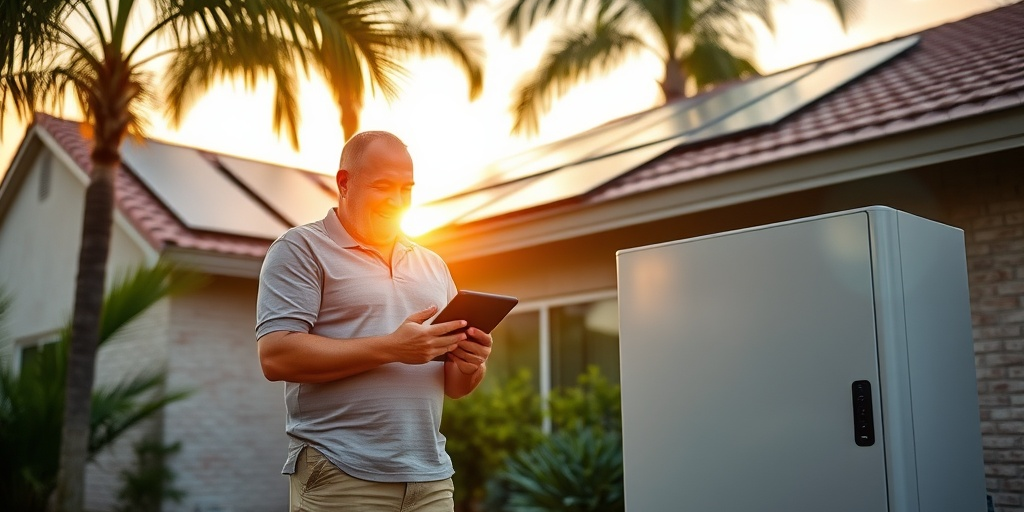
In the sunny state of Florida, where the annual average temperature hovers around a balmy 70 degrees Fahrenheit, the prospect of harnessing solar energy isn’t just exciting — it’s becoming essential. A staggering statistic reveals that solar power has the potential to provide 70% of the United States’ electricity needs (SEIA.org). Moreover, did you know that 50% of Florida homeowners are considering installing solar panels in the next year (SolarReviews.com)? If you’re one of them, it’s crucial to think beyond just the installation of solar panels and consider solar battery storage as well. That’s why this article is a must-read: “Why Florida Homeowners Should Consider Solar Battery Storage Options.” Here, we will explore why battery storage is vital for energy management, its benefits in 2025, and the options available in our vibrant sunshine state.
As energy costs continue to rise—with Florida residents paying about $0.11 per kilowatt-hour (kWh) for electricity, one of the highest rates in the nation—solar battery storage can be an invaluable asset for homeowners seeking to maximize their savings and reduce their reliance on the grid. Whether you’re looking to stay prepared for hurricane season, minimize outages during peak usage periods, or simply gain energy independence, 2025 presents a unique urgency to commit to these solutions.
In this comprehensive guide, we will delve into five critical sections:
Section 1: A deep dive into real-world case studies demonstrating the positive impacts of solar battery storage.
Section 2: A practical checklist outlining essential steps for selecting your solar battery.
Section 3: A myth-busting segment that addresses common misconceptions surrounding solar battery storage.
Section 4: A closer look at Florida-specific data emphasizing the benefits of solar energy.
Section 5: An actionable plan to steer you toward becoming a solar-savvy buyer in the coming year.
Get ready to immerse yourself in the essential narrative of solar battery storage in Florida!
Solar Battery Storage: Why It Matters in Florida
Imagine Mary, a Florida homeowner who decided to install solar panels on her roof. Initially, she was thrilled with the lower electric bill and the idea of using clean energy. However, her excitement turned into concern when she faced unexpected outages during a summer storm, forcing her to rely on the grid. Mary soon realized that without solar battery storage, she wasn’t fully capitalizing on the benefits of her solar investment. This scenario is not unique to Mary; it speaks to a growing reality among Florida residents looking for energy security.
According to the U.S. Department of Energy, solar battery systems can provide backup energy during grid failures, particularly important in Florida’s hurricane-prone environment (Energy.gov). Mary ultimately installed a solar battery storage system that allowed her to store surplus energy generated on sunny days, ensuring her home remained powered even during storms. This transformation encourages us to understand the mechanics of how solar battery storage works and why it is a game-changer for homeowners.
Here’s a quick checklist to illustrate the essentials of solar battery storage:
- Understand Your Energy Needs: Analyze your daily energy consumption to determine the best battery size.
- Explore Battery Options: Research solar batteries from trusted brands such as Tesla Powerwall or LG Chem.
- Assess Costs vs. Benefits: Understand the total cost of ownership versus the savings through energy management.
- Evaluate Installation: Consider hiring certified professionals for a seamless installation experience, keeping Florida codes in mind.
- Stay Informed: Keep up with local solar energy incentives and rebates that can reduce upfront costs.
This checklist empowers homeowners to embark on the journey of solar energy and highlights why solar energy can be essential, especially in Florida’s changing climate landscape.
Confronting Common Myths About Solar Battery Storage
Are solar batteries worth the investment? It’s a common concern among potential solar adopters, especially with many myths floating around. Let’s dispel some of these misconceptions.
Myth #1: “Solar batteries are too expensive for average homeowners.”
Reality: While the initial investment can be significant, government discounts and incentives can lower these costs dramatically. Many models even offer financing options that allow homeowners to pay in manageable chunks.
Myth #2: “Solar battery systems don’t have much storage.”
Reality: Modern solar battery systems have varied capacities. Options range from smaller systems suitable for basic usage to those designed to cover entire home energy needs.
Myth #3: “Homeowners will lose power at night anyway.”
Reality: On the contrary, a properly installed solar battery can store energy produced during the day for use at night, keeping your home powered 24/7.
Myth #4: “Solar energy is not reliable.”
Reality: Florida enjoys an average of 237 sunny days per year, making solar energy one of the most reliable energy sources available (National Renewable Energy Laboratory).
Myth #5: “Energy storage doesn’t contribute to energy independence.”
Reality: Solar battery storage systems empower homeowners to make energy through solar panels, store it, and use it as needed, fostering a sense of independence from traditional energy providers.
Getting past these misconceptions allows more Florida homeowners to see the true potential of solar battery storage in enhancing their energy management practices.
The Many Benefits of Going Solar in Florida
A key component to understanding the solar battery storage landscape is to evaluate the unique benefits California homeowners enjoy. From tax incentives to net metering, Florida’s well-established solar policies provide a compelling case for adopting solar solutions. Here are a few standout factors:
- Incentives and Rebates: Recent legislative changes have led to increased solar incentives in Florida. Homeowners may qualify for a federal tax credit for installing solar batteries.
- Climate Resilience: Given that Florida ranks high in weather-related incidents, solar batteries offer crucial backup energy during outages caused by extreme weather (DSIREUSA.org).
- Increased Property Value: Homes with solar panels and storage systems often see increased property value, enhancing their long-term worth.
- Environmental Responsibility: Utilizing solar energy, combined with efficient storage solutions, significantly reduces one’s carbon footprint.
Florida continues to expand its commitment to renewable energy sources, making solar battery storage options not only beneficial but essential for homeowners looking to stay competitive in energy management strategies.
5 Expert Solar Installation Tips for 2025
Installing solar panels and battery storage systems doesn’t have to be daunting. Here are five expert tips that can help ensure a smooth process:
- Tip #1: Don’t Skimp on Research. Start with understanding the differences between various solar batteries. Popular choices include lithium-ion and lead-acid batteries, each with their own pros and cons in terms of efficiency and lifespan.
- Tip #2: Choose the Right Installer. A certified and experienced solar installer can vastly improve your system’s efficiency and reliability. Look for local businesses specializing in solar systems.
- Tip #3: Schedule Regular Maintenance. Once you have your solar battery, routine maintenance will keep it operating optimally. Make it part of your yearly home upkeep.
- Tip #4: Understand Local Regulations. Local codes and regulations can affect solar installation, so it’s essential to be aware and compliant for a successful project completion.
- Tip #5: Be Prepared for the Long Haul. Solar batteries represent a long-term investment. Look for products with warranties that provide coverage for at least 10 years.
By following these tips, Florida homeowners can maximize their solar installation benefits and ensure their systems serve them well for years to come.
A Fictional Journey Through Solar Battery Adoption
Consider the story of James, a fictional Florida resident living on the outskirts of Orlando. Faced with rising electricity costs, he decided to research solar alternatives. He met Samantha, a neighbor who had installed solar panels with battery storage. Her experience struck a chord with him, fueling his desire to adopt similar measures.
- Step 1: Initial Costs: James learned about the upfront costs associated with solar panel installation and battery setup, which led him to state incentives qualifying his plan for substantial savings.
- Step 2: Value of Energy Independence: Though skeptical about battery systems initially, witnessing Samantha maintaining power during an unexpected storm changed his mind.
- Step 3: Application Process: James followed a structured process to apply for Florida’s solar incentives while consulting reputable installers.
- Step 4: Realizing Savings: A few months into using his system, James realized his electric bill had dropped substantially, making it clear that his investment was wise and economical.
James’ story mirrors the journey many Floridians can take as they consider integrating solar solutions alongside battery storage. By following a structured path, homeowners can navigate potential hurdles seamlessly.
Next Steps for Florida Solar Buyers in 2025
As solar energy grows ever more essential, turning your focus toward exploring options for solar battery storage is an urgent priority. To facilitate this transition, consider the following checklist:
- Step 1: Audit Your Energy Consumption. Start by reviewing your latest electric bills to understand your monthly consumption. This insight will guide your battery storage needs.
- Step 2: Research Solar Battery Options. Explore different models available on the market like the Tesla Powerwall, and consider your local electricity rates.
- Step 3: Consult with Solar Experts. Engage with professionals who can provide tailored recommendations suited to your specific needs.
- Step 4: Double-Check Incentives. Regularly review eligibility for state and federal tax credits; this factor significantly impacts affordability.
- Step 5: Schedule Your Installation. Work with your chosen installer to lock down a timeline that suits your schedule and maximizes energy benefits.
Achieving solar independence is finally within reach. For personalized advice tailored to meet your unique energy challenges, consider exploring your options further at floridaelectricandsolar.com.
Conclusion
In conclusion, solar battery storage is not merely an accessory to your solar array; it’s an essential component to fully harnessing the power of solar energy. The journey of transitioning from conventional energy sources to a sustainable future requires careful consideration and planning, as evidenced through Mary and James’s experiences. By dispelling myths, understanding the real-world benefits, and executing a clear action plan, Florida homeowners can embrace a brighter, energy-efficient future. The urgency to act in 2025 couldn’t be clearer, as rising energy costs, incentives, and climate resilience become more pressing.
Ready to start your solar journey in 2025? Connect with a certified expert at floridaelectricandsolar.com today.
Related Articles
More insights about Battery Storage

What Is a Solar Battery and How Does It Store Power for Your Florida Home?

Beginner’s Guide to Solar Battery Storage Essentials

Florida Homeowners: Unlock Benefits of Solar Battery Storage Today
Ready to Go Solar?
Have questions about solar energy? Our experts are here to help you make the switch to clean, renewable energy.