
Warning: Avoid These Critical Mistakes in Solar Battery Storage
Share:
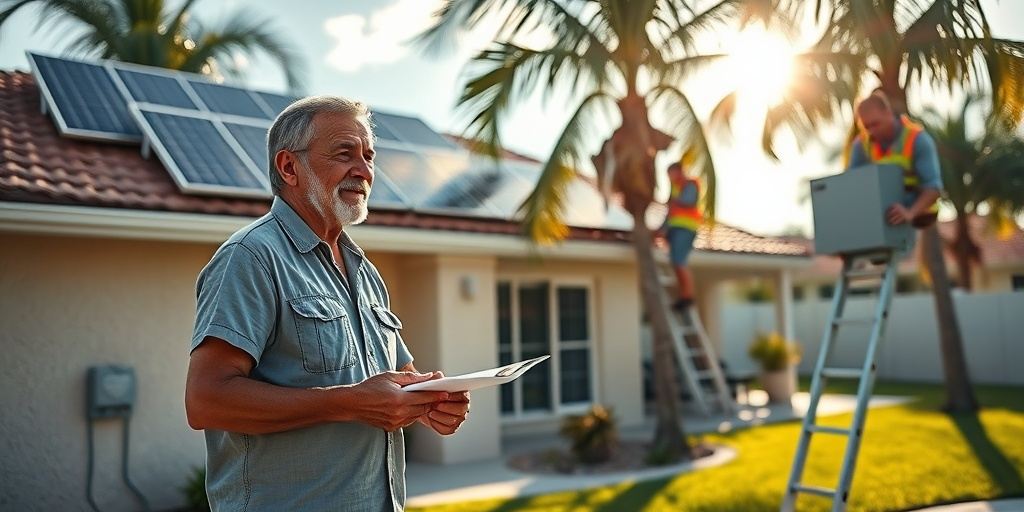
As Florida homeowners and commercial property owners increasingly look towards sustainable energy solutions, solar battery storage has emerged as a vital component in achieving energy independence. However, many still find themselves asking, “What are the hidden pitfalls associated with solar battery storage?” Understanding these issues is crucial, especially in the coming year. In fact, over 50% of homeowners report misconceptions about solar battery efficiency and safety (SEIA.org), with nearly 40% underselling potential savings on energy costs (Energy.gov). With technology advancing and the urgency to cut energy expenses, it’s essential to be well-informed about your options in 2025. This makes our topic, Warning: Avoid These Critical Mistakes in Solar Battery Storage, extremely relevant. Today, we will explore five critical mistakes to avoid when considering solar battery storage and delve into how you can safeguard your investment. By understanding these risks, you empower yourself to make informed decisions that will benefit your family for years to come.
In this article, we will cover:
- Real-life case studies of Florida homeowners who faced common storage mistakes.
- A practical checklist of steps to ensure a successful solar battery experience.
- Myth-busting the most prevalent misconceptions surrounding solar battery storage.
- A local focus on Florida’s unique energy landscape and incentives.
- A technical deep dive into how solar battery technology works.
Avoiding Common Storage Mistakes: A Cautionary Tale
Consider the story of Lynn, a small business owner in Orlando who decided to invest in solar battery storage. She had heard enticing claims about how combining solar panels with battery storage could not only power her store—all while reducing her electric bill—but also provide backup power during outages. However, Lynn rushed through the selection process, choosing a budget-friendly battery without thoroughly researching its specifications. Soon, she experienced significant issues: inadequate storage capacity and damage during a storm that resulted in costly repairs. Unfortunately, these real-life hurdles are common and preventable when one understands the landscape of solar battery storage better.
What Lynn encountered can be outlined through a critical checklist; she overlooked essential steps, and so can you. Here’s how to avoid making the same crucial mistakes:
- Step 1: Understand Your Energy Needs: Before selecting a solar battery, assess your energy consumption patterns to choose a system that meets your specific demands. Homeowners often underestimate their daily energy needs, leading to ill-fitted solutions.
- Step 2: Research Battery Types: Many types of batteries exist—lithium-ion, lead-acid, etc.—each with unique performance characteristics. Make informed decisions based on longevity, depth of discharge, and round-trip efficiency.
- Step 3: Evaluate Installation Professionals: Selecting a qualified installer is paramount. Go for professionals with extensive experience and positive reviews from past customers to ensure reliability and compliance with local regulations.
- Step 4: Review Maintenance Requirements: Like any technology, solar batteries require upkeep. Many users overlook the maintenance necessary to extend the lifespan of their batteries, ultimately resulting in early failure.
- Step 5: Consider Warranty and Support: Different manufacturers offer various warranty periods; understanding these terms can save you significantly down the line. Ensure your choice has comprehensive customer support to address any future conflicts.
According to a report from the National Renewable Energy Laboratory, failure to properly size your solar battery system can lead to 30% lower performance outputs than expected (NREL.gov). Don’t let mistakes like Lynn’s hinder your journey to energy independence!
In debunking prevalent myths, awareness is key. Let’s take a closer look at some misconceptions affecting Florida homeowners.
Myth-Busting Solar Battery Storage Misunderstandings
Myth #1: “I don’t need a battery if I have solar panels.”
While solar panels convert sunlight into electricity, they don’t store power. A battery system allows you to store energy for later use, especially during cloudy days or nighttime. This setup can maximize your savings by providing power when utilities charge more.
Myth #2: “All solar batteries are created equal.”
This is far from true as different batteries have varied efficiencies, costs, and safety ratings. Conduct thorough research to find the best fit for your requirements. For instance, lithium-ion batteries generally outperform lead-acid in lifespan and efficiency (EnergySage.com).
Myth #3: “My home’s energy efficiency doesn’t impact battery performance.”
Your home’s insulation, windows, and energy consumption habits directly affect how much solar energy is captured and retained. An energy audit can illuminate how to maximize the potential of your solar battery storage system.
Myth #4: “Battery storage is too expensive.”
Understanding current state and federal incentives reveals that upfront costs can be offset significantly. Many programs exist specifically to promote energy storage solutions in California and Florida (DSIREUSA.org).
Myth #5: “Batteries need constant replacement.”
While lithium-ion batteries can last 10 to 15 years, proper maintenance and choosing quality products can enhance their lifespan. Many batteries come with warranties reflecting these expectations.
Before you dive into solar battery storage, recognizing these myths is critical to achieving sustainable energy goals. It’s vital for each Florida homeowner to obtain accurate information to lay the groundwork for future energy savings. Next, let’s turn our focus to Florida’s specific landscape concerning solar energy.
Navigating Florida’s Unique Solar Energy Environment
Florida is oftentimes referred to as the “Sunshine State” for good reason. With an average of 237 sunny days per year—much higher than the national average—it provides homeowners with unique advantages for solar energy. However, the current landscape is not without challenges.
- State Policies: Florida currently offers various incentives, such as the Federal Investment Tax Credit (ITC), which allows homeowners to deduct a percentage of the installed solar system cost from their federal taxes. As of 2025, the ITC is steadily reducing but remains vital for offsetting upfront costs (SolarReviews.com).
- Net Metering: While net metering enables solar users to receive credits on their electric bills for surplus energy generated, there are ongoing discussions regarding its future. Staying informed on potential changes to net metering policies should be a priority for any solar homeowner.
- Utility Company Dynamics: Utilities may charge differing rates for solar-generated power. Understanding your utility’s offerings and regulations will help you seamlessly integrate battery storage with your solar system.
The sun-soaked state of Florida presents an opportune moment for investing in solar battery storage. But understanding local policies, dynamics, and financial incentives is the crux of making a sustainable choice. As we continue, let’s explore the intricacies of solar battery technology to truly grasp its importance.
Understanding Solar Battery Technology: A Technical Deep Dive
Solar batteries play a pivotal role in maximizing solar power utilization and energy independence. The essential components of a complete solar energy system include solar panels, an inverter, and a storage system. Here’s an in-depth look at how solar batteries function:
- Charge and Discharge Mechanism: When sunlight hits your solar panels during the day, they produce electricity. Excess electricity is directed towards charging the battery, which can later be discharged at night or during utility peaks.
- Battery Management System (BMS): This technology allows the battery to monitor its state and health, ensuring optimal performance. An effective BMS enhances safety by preventing hazards like overcharging and under-voltage.
- Cycle Life and Efficiency: Understanding a battery’s cycle life—how many times it can go through the charge and discharge process—is essential; batteries can lose efficiency over time due to degradation.
Swift technology advancements have led to new battery models with improved capabilities. Understanding their application in real-world scenarios can help homeowners better anticipate system performance. In fact, recent studies show that adopting battery storage systems can yield up to 60% more savings on energy costs than relying solely on a solar installation (NREL.gov).
Now that we’ve equipped ourselves with the knowledge about mistakes to avoid and technology impacts, let’s outline the actionable steps for prospective solar buyers in Florida to move forward in 2025.
Next Steps for Florida Solar Buyers in 2025
Making the decision to install solar battery storage requires careful planning and meticulous attention to detail. Below is a straightforward action plan tailored to Florida homeowners:
- Step 1: Audit Your Electric Bill: Examine your monthly electricity usage to understand how a solar system can best serve your needs. Identify peak usage times to strategize your battery storage accordingly.
- Step 2: Identify Federal and State Incentives: Research federal and state-level incentives that could significantly reduce your overall costs. Pinpoint local rebates or grants that may further enhance affordability.
- Step 3: Choose the Right Battery Storage System: Based on your research, select the battery that fits your lifestyle and needs. Consider aspects like size, cost, efficiency, and reviews from past users.
- Step 4: Connect with Certified Installers: Ensure you are working with reputable contractors who are familiar with Florida’s solar regulations. A certified expert will ensure that your system is installed correctly and safely.
- Step 5: Regular Maintenance Checks: Establish a routine maintenance schedule once your system is installed. Regular checks can prolong battery life while optimizing system performance.
Embarking on your solar journey doesn’t have to be daunting. Engaging with knowledgeable professionals will arm you with the information needed to make sound decisions. To find out more about available options tailored to your needs, visit floridaelectricandsolar.com.
As we reflect on the journey through solar battery storage, we can see how crucial it is to avoid common pitfalls that could potentially undermine your investment. Ensuring a positive solar experience is not merely about the technology; it encompasses a solid understanding of incentives, policies, and personalized solutions that cater to your unique requirements. In today’s climate, with rising energy costs and urgent needs for sustainable solutions, making inquisitive decisions about solar power and battery storage has never been more pressing.
Ready to start your solar journey in 2025? Connect with a certified expert at floridaelectricandsolar.com today!
Related Articles
More insights about Battery Storage

What Is a Solar Battery and How Does It Store Power for Your Florida Home?

Beginner’s Guide to Solar Battery Storage Essentials

Florida Homeowners: Unlock Benefits of Solar Battery Storage Today
Ready to Go Solar?
Have questions about solar energy? Our experts are here to help you make the switch to clean, renewable energy.