
Beginner’s Guide to Understanding Off-Grid Solar Systems
Share:
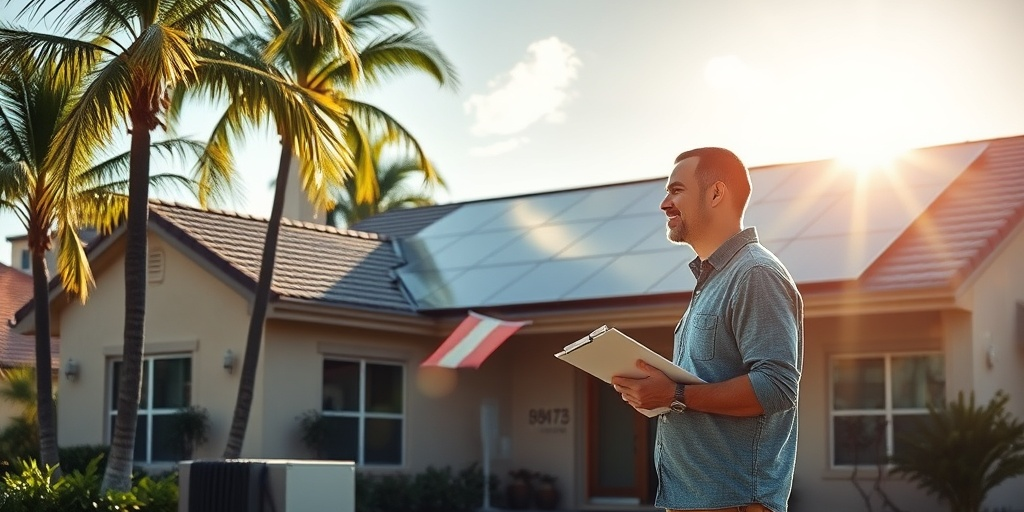
When it comes to managing your energy costs and securing your independence from rising utility rates, did you know that nearly 20% of Florida’s homeowners are considering solar solutions? This remarkable potential for transformation is leading many residents to explore off-grid solar systems. The **Beginner’s Guide to Understanding Off-Grid Solar Systems** is designed to provide you with essential insights into how these systems can fit your lifestyle, especially as the urgency grows in 2025 with escalating energy costs and shifting regulations. The options are vast, yet many still hesitate to make the leap into solar. With more than 35% of Americans expressing skepticism regarding solar energy (SEIA.org), it’s vital to thoroughly understand how these systems operate and whether they’re suitable for your unique situation. This guide will also explore crucial facts, such as energy independence and sustainability, which have become pressing concerns in a world grappling with climate change. In this journey, we’ll cover five key sections that you’ll need to navigate the world of off-grid solar systems: a deep dive into what off-grid means, actionable steps to determine if off-grid is right for you, debunking myths surrounding solar, best practices for installation in Florida, and an action plan to take you from interest to implementation in 2025.
Understanding Off-Grid Solar Systems: The Basics
When we refer to “off-grid” systems, we’re talking about a self-sufficient energy solution that allows homeowners to generate their electricity independent of the utility grid. For Florida residents, where sunlight is abundant, off-grid solar systems can mean greater control over energy use and costs. They consist of solar panels, batteries, inverters, and sometimes generators, all working together to create a sustainable energy ecosystem. For instance, consider the story of Mary, a retiree living in Florida who opted for an off-grid solar system to free herself from escalating energy bills. After years of reliance on fossil fuels and a grid that often experienced outages, she wanted a reliable and sustainable alternative.
Let’s break down the essential components of an off-grid solar system:
- Solar Panels: They capture sunlight during the day and convert it into usable electricity.
- Batteries: These store surplus energy generated during sunny days for use during cloudy days or at night.
- Inverters: They convert the direct current (DC) electricity from solar panels into alternating current (AC) electricity for household appliances.
In 2025, Floridians will realize more than $1 billion in savings through net metering and incentives from implementing solar energy solutions. This growing trend makes now the best time to understand and embrace off-grid solar systems (NREL.gov).
Checklist: How to Determine If Off-Grid Is Right for You
- Step 1: Assess Your Energy Usage – Start by examining your electric bills to understand your monthly consumption.
- Step 2: Calculate Your Space – Evaluate the size of your home and available land to determine how many solar panels you can install.
- Step 3: Research Local Regulations – Understand the legal requirements for installing an off-grid system in your area.
- Step 4: Evaluate Storage Needs – Consider how much battery capacity you’ll need to store enough energy for your usage.
- Step 5: Consult with Experts – Discuss your options with professionals who can provide insights tailored to your specific situation.
Transitioning to an off-grid solar system can be daunting, but understanding these steps will set you on the path to energy independence.
Common Myths About Off-Grid Solar Systems Debunked
As you contemplate going off-grid, you might hear various claims that could lead to confusion. Here are some widespread myths debunked:
- Myth #1: “Off-grid systems require constant maintenance.” – While some maintenance is necessary (like cleaning panels), modern systems are designed for minimal upkeep.
- Myth #2: “You can’t use electricity at night with off-grid systems.” – This is only true if you do not have enough battery storage. With adequate storage, you can access energy regardless of sunlight.
- Myth #3: “Off-grid systems are too expensive.” – Initial costs may be higher, but long-term savings, especially in states like Florida with high electricity prices, can make them a sound investment.
Florida’s sunny weather contributes to the efficiency of off-grid systems, meaning your investment can yield quicker returns than in less sunny states. An estimated 90% of Florida homes are suitable for solar energy implementation (Energy.gov).
5 Expert Solar Installation Tips for 2025
Want to make the most of your off-grid solar system? Follow these expert tips to ensure a successful installation:
- Don’t Skimp on Quality: Invest in high-quality solar panels and batteries. The long-term reliability can save you from frequent replacements.
- Consider Energy Efficiency First: Upgrade your home’s insulation and windows before going solar to reduce energy demands.
- Optimal Placement is Key: Ensure your panels are placed in unobstructed areas with maximum sun exposure throughout the day.
- Hire Professionals: Work with certified solar installers familiar with Florida’s regulations and installation practices.
- Monitor Performance: Use monitoring tools to track your system’s performance and catch any issues early.
By adhering to these expert tips, you maximize your return on investment and ensure that your off-grid solar system operates at peak efficiency.
A Day in the Life of an Off-Grid Solar Homeowner in Florida
Imagine waking up each morning, free from the stress of fluctuating electricity rates or the risk of power outages. This is the reality for Tony and Linda, who chose to install an off-grid solar system on their 10-acre property in rural Florida. Here’s a glimpse into their daily life:
- As the sun rises, their solar panels begin harnessing energy, powering their home and charging their battery storage.
- They meticulously monitor their energy consumption, making conscious choices to keep usage lower during peak hours.
- During the afternoon, with surplus energy generated, they run larger appliances like their dryer, taking full advantage of the sun’s strength.
- As evening falls, their battery storage kicks in, allowing them to enjoy electric lighting and electronic devices without a hitch.
This lifestyle not only empowers them with energy independence but also offers peace of mind. With Florida’s strong sun, their system serves them efficiently, showcasing the benefits of off-grid living.
Next Steps for Florida Solar Buyers in 2025
As you consider transitioning to an off-grid solar lifestyle, here are your essential action steps:
- Step 1: Audit Your Electric Bill: Understand your current energy usage to guide system design.
- Step 2: Find the Right Technology: Determine the best solar panels and battery systems for your needs.
- Step 3: Consult with Experience: Connect with solar professionals who can guide you through the installation process.
- Step 4: Check for Rebates: Look into federal and state incentives that can offset initial costs.
- Step 5: Installation and Monitoring: Have your system installed and use monitoring tools to ensure it’s performing optimally.
By following these steps, you’ll be on your way to enjoying the multitude of benefits that off-grid solar systems offer.
In summary, transitioning to an off-grid solar system has never been more accessible or vital, especially as we approach a future with uncertain energy prices and grid reliability. Through the **Beginner’s Guide to Understanding Off-Grid Solar Systems**, you’re equipped with the knowledge you need. Remember the journey of Tony and Linda—their independence begins with informed choices. It’s time to consider what energy independence means for you and your family. Don’t wait too long, as incentives will continue to help you save significantly. Ready to start your solar journey in 2025? Connect with a certified expert at floridaelectricandsolar.com today.
Related Articles
More insights about Off-Grid Solar

Myth-Buster: Off-Grid Solar Systems Are Not Always Unaffordable

What You Need to Know About Off-Grid Solar Systems

How One Florida Business Reduced Costs with Off-Grid Solar Systems
Ready to Go Solar?
Have questions about solar energy? Our experts are here to help you make the switch to clean, renewable energy.