
How Gulf Coast Homeowners Can Save with Solar Incentives
Share:
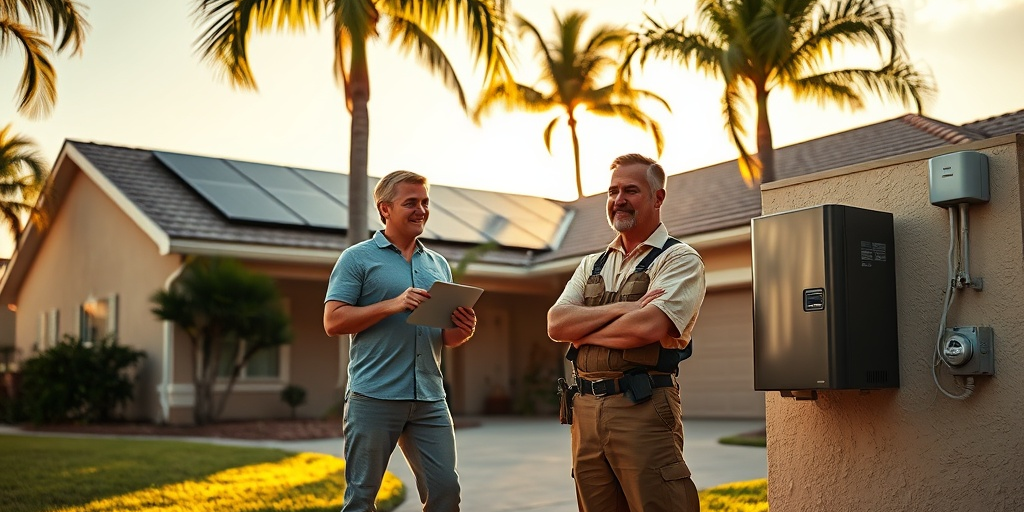
Did you know that over 1.4 million homes in Florida are already benefiting from solar energy, and that number is projected to double by 2025? Homeowners across the Gulf Coast are capitalizing on the state’s abundant sunlight and significant solar incentives, creating a sustainable future for themselves and their communities. In this guide, titled How Gulf Coast Homeowners Can Save with Solar Incentives, we will explore effective ways to take advantage of solar incentives, boosting your energy independence and ensuring you’re not left in the dark as energy costs rise. As utility rates are expected to increase—by as much as 15% in some areas—investing in solar in 2025 is not just a smart choice but a necessary one (SEIA.org). Understanding the options available to you, especially in a solar-friendly state like Florida, is crucial for making informed decisions about your energy future.
In this blog post, we will delve into five key sections that will illuminate your path towards solar success:
Section 1: A deep dive into the compelling case for solar, backed by local success stories.
Section 2: A practical checklist highlighting essential steps to get started with solar.
Section 3: Common myths and misconceptions surrounding solar power, debunked.
Section 4: Best practices for a successful solar installation tailored specifically to Florida homeowners.
Section 5: An actionable plan for taking the next steps towards your solar journey, ensuring you can maximize your savings.
By the end of this article, you’ll be equipped to make informed decisions that could potentially save you thousands of dollars while contributing to a cleaner environment for generations to come.
Understanding Solar Incentives on the Gulf Coast: A Path to Energy Independence
Imagine this: It’s a beautiful Florida afternoon, and the sun is shining brightly. Mary and John, a couple from Destin, decide that it’s time to invest in solar energy for their home. Seeing their neighbors’ electric bills drop drastically after transitioning to solar made the couple realize that they shouldn’t stay in the dark about their energy choices. After conducting thorough research, they found that Florida is one of the states offering incredible incentives for solar adoption.
In 2025, as energy prices soar, incentives provide a critical financial runway for homeowners, making solar energy more accessible than ever. With the recent enactment of the Federal Solar Investment Tax Credit (ITC), which allows homeowners to deduct 26% of their solar panel installation costs from federal taxes, families like Mary and John are reaping the rewards. They saved approximately $10,000 on their system, meaning their total investment was remarkably reduced!
Here are five actionable steps they took that other Gulf Coast homeowners can follow:
- Evaluate their energy needs: Understanding their consumption helped them choose the right size for their solar system.
- Research local incentives: Mary and John discovered Florida’s Property Assessed Clean Energy (PACE) financing program, making solar installations more financially feasible.
- Choose qualified contractors: They sought trusted solar installation companies with verified customer reviews.
- Consider battery storage: They included battery storage in their installation to maximize energy independence.
- Monitor their usage: They used tools to track their energy savings and consumption post-installation, allowing for informed adjustments.
This journey shared by Mary and John not only reflects the financial benefits but symbolizes achieving greater energy independence. The growing clarity surrounding solar energy in Florida underscores the urgency for you to take action in 2025, as incentives, such as the ITC, are currently available but scheduled to decrease in the near future (NREL.gov).
Now, let’s debunk some myths and misconceptions surrounding solar incentives that might be holding you back from your solar adventure.
5 Myths About Solar Incentives Debunked
Debunking misconceptions surrounding solar energy can liberate homeowners from doubt and misinformation. As a potential solar customer, confronting these myths can empower you to make informed decisions when transitioning into renewable energy.
Myth #1: Solar energy is too expensive.
Studies show that the cost of solar has dropped over 70% since 2010. In Florida, thriving demand and competitive markets are further driving down costs, making solar energy a viable investment for many homeowners.
Myth #2: Solar panels only work in sunny weather.
While sunlight is crucial, modern solar panels can still generate power on cloudy days. Florida’s consistent weather patterns enable effective energy production, ensuring that you capitalize on solar energy year-round (SolarReviews.com).
Myth #3: I can’t use solar because my roof isn’t ideal.
It’s a common concern, but even homes with shaded rooftops or old roofs can utilize solar. Options such as ground-mounted systems or community solar programs can still help you take advantage of solar energy.
Myth #4: Solar energy requires too much maintenance.
Once installed, solar panels demand minimal upkeep. Occasional cleaning and a routine check-up can suffice in maintaining performance and maximizing efficiency.
Myth #5: You can’t benefit from solar if you rent.
Renters can still explore options like PACE financing for solar energy investments or signing up for community solar projects that allow customers to purchase or lease panels without installing them directly on their property.
By dispelling these myths, it becomes clear that solar incentives in Florida are accessible and advantageous for a wide range of homeowners. Following the right steps can lead to substantial savings and an energy-independent future.
5 Expert Solar Installation Tips for Gulf Coast Homeowners in 2025
Ready to dive deeper into the solar adventure? Below are five expert tips every Gulf Coast homeowner should consider for a successful solar installation in 2025.
- Don’t skimp on panel placement: Proper orientation and angling are critical for optimizing energy production. Solar panels should ideally face south and be tilted at an angle according to your latitude.
- Invest in quality installations: It’s vital to choose reputable solar contractors with local experience. Ensure they are licensed, insured, and read customer reviews.
- Consider battery backup: To maximize energy independence, consider a solar battery system that allows you to store excess solar energy for nighttime use or during outages.
- Take advantage of financing options: Explore Florida-specific financing programs like PACE or solar loans, allowing you to invest in solar without a hefty upfront cost.
- Monitor your system: Use solar monitoring systems to keep track of performance and savings. This allows you to ensure that your system is functioning optimally and to promptly address any issues.
Following these tips can make the difference between a good solar installation experience and a great one. With expert guidance and reliable equipment installed, you will maximize your benefits, positioning yourself as a pioneer in the journey towards sustainability.
A Homeowner’s Journey: Going Solar in Florida
Let’s take a closer look at one fictional but relatable journey to solar energy: Sarah and Tom, a family from Panama City. They were overwhelmed when facing rising energy costs. After thorough research, they decided to make the switch to solar energy.
Throughout their journey, they experienced various stages:
- Research: They learned about state incentives and federal tax credits, leading them to feel empowered rather than intimidated.
- Assessment: After getting an energy assessment from a qualified contractor, they discovered they needed a 6-kilowatt solar system to meet their needs.
- Installation: Their installation process was smooth. They were amazed to find that the installers worked efficiently, completing the job within a day.
- Monitoring: Post-installation, they began tracking their energy production regularly, immediately witnessing a significant drop in their electric bills.
Through Sarah and Tom’s journey, not only did they find joy in their greener living, but they also realized they would recoup their investment within six years while contributing to a sustainable environment for their children. With Florida’s plentiful sunshine and supportive programs, making the switch to solar presents a meaningful path to energy independence for many families.
Next Steps for Florida Solar Buyers in 2025
Now that we’ve equipped you with essential insights and the experiences of fellow homeowners, it’s time to take actionable steps toward your solar transition. Here’s a structured action plan to make your journey smoother.
- Audit Your Electric Bill: Start by evaluating past utility bills to understand your energy consumption and identify potential savings.
- Research Incentives: Familiarize yourself with local Florida incentives and programs like the ITC or PACE financing options.
- Find a Qualified Contractor: Seek out reputable solar installers passionate about quality work, certified through professional associations.
- Design Your System: Work with your contractor to design the most effective solar system for your home, considering layout, equipment type, and battery options.
- Prepare for Installation: Ensure you have all necessary permits and paperwork ready, making the installation process seamless and efficient.
Taking these actionable steps can guide you toward your solar energy transition and maximize your benefits as you navigate this exciting journey to energy independence. In the state’s ideal climate, there’s no reason to delay—you can start saving today.
In conclusion, as you embark on the journey towards solar energy, remember the myriad benefits: from significant cost savings on electricity bills to a meaningful contribution to a sustainable future. As Florida homeowners face increasing energy costs in the coming years, seizing solar incentives is one of the most prudent actions you can undertake. By dispelling myths and following actionable steps, you can achieve not only financial relief but also peace of mind knowing you’re part of a larger change.
> Ready to start your solar journey in 2025? Connect with a certified expert at floridaelectricandsolar.com today.
Related Articles
More insights about Solar Incentives

Are Solar Panels Worth It in Florida? (2026 Guide)

How Can Solar Incentives by State Benefit Florida Homeowners

10 Essential Solar Incentives Every Florida Homeowner Should Know
Ready to Go Solar?
Have questions about solar energy? Our experts are here to help you make the switch to clean, renewable energy.