
Technical Deep-Dive: Understanding Off-Grid Solar Systems for Energy Independence
Share:
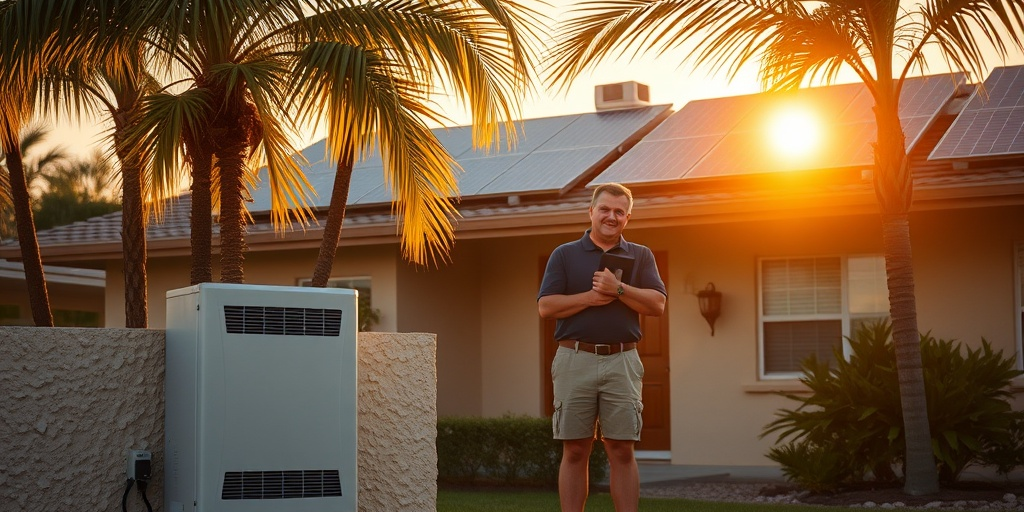
Imagine a Florida homeowner who wakes up every morning, basking in the sun’s golden rays, sipping coffee while glancing at electric bills that seem to shrink instead of swell. This scenario isn’t a dream; it’s a bold reality for those who embrace solar energy, specifically through off-grid solar systems. In 2025, the emphasis on the **Technical Deep-Dive: Understanding Off-Grid Solar Systems for Energy Independence** will be more important than ever. As homeowners grapple with rising energy costs—increasing 15% over the past decade (SEIA.org)—and the unpredictability of the power grid, many are turning to these robust solar solutions. Did you know that Florida sun provides an average of 237 sunny days a year, offering a splendid opportunity for solar energy? Homeowners saving up to 50% on their energy costs is not just a possibility; it’s occurring across the Sunshine State. This article is essential for anyone considering solar energy solutions in the coming year, as we navigate the complexities of off-grid systems and the urgent need for energy independence.
This deep dive will guide you through five key sections:
1. **A Case Study in Energy Independence**—an immersive story showcasing a homeowner’s journey to off-grid living.
2. **A Step-by-Step Checklist for Transitioning**—practical steps you can take to make your home energy independent.
3. **Busting Myths About Off-Grid Systems**—debunking common misconceptions that might hinder your solar journey.
4. **Florida’s Unique Solar Landscape**—focusing on legislation and local incentives that favor solar energy.
5. **A Technical Exploration of Off-Grid Systems**—an in-depth analysis on how off-grid systems work and the components that make them effective.
1. A Case Study in Energy Independence
Meet Lisa, a single mother living in a quaint Lake Worth neighborhood. Tired of annual electricity bills spiraling out of control, which had jumped 28% in recent years (Energy.gov), she began searching for solutions. Her local Florida community was not only known for its vibrant culture but also its expansive solar potential. Lisa worked with Florida Electric & Solar to explore the option of an off-grid solar system, determined to break free from the constraints of her traditional energy provider.
Lisa’s journey wasn’t merely financial; it was also deeply personal. One summer afternoon, during a community gathering, she overheard neighbors discussing their off-grid systems. Most claimed that they’d regained control over not only their energy bills but also over the reliability of their power source. Inspired, she decided to conduct her research, uncovering that Florida ranks second in the country for installed solar capacity, making it an ideal locale for solar energy initiatives (SEIA.org).
The first step Lisa took was to perform a thorough energy audit in her home, identifying her average consumption. With the help of a solar consultant, she learned about solar panels, inverters, batteries, and how the combination could ensure energy independence. Usage of energy-efficient appliances helped her optimize solar panel usage, thereby enhancing the effectiveness of her system. Eventually, her off-grid solar installation included 12 solar panels, a high-capacity lithium-ion battery bank, and a grid-tied inverter, providing her flexibility and independence.
After installation, Lisa tracked her energy costs and discovered that her electric bills had reduced significantly. In the first few months, she achieved a remarkable 60% reduction, and over time her goal of total energy independence loomed ever closer. With less reliance on traditional electricity, Lisa set the tone for an empowered household—one where the sunlight powers happiness and security.
In the end, Lisa’s emotional investment in her home—a feeling of safety, freedom, and sustainability—was immeasurable. She transformed not just her lifestyle but became an advocate for renewable energy within her vibrant community. Her story resonates as proof that the transition to off-grid solar systems is not just financially prudent, but greatly enriching.
2. A Step-by-Step Checklist for Transitioning
Thinking about transitioning to an off-grid solar system in Florida? Here’s a detailed checklist to guide you through every step of the process.
- Step 1: Assess Your Energy Needs
Understanding your average energy consumption is critical. Take the past year’s electric bills and calculate your monthly average. Talk to your family members about energy use to set realistic conservation targets. - Step 2: Research Off-Grid Options
Explore different types of solar panels and batteries. Look for models that are well-rated and suitable for Florida’s climate—check local resources and database trends for guidance. - Step 3: Consult Solar Experts
Engaging certified professionals will clarify what’s best for your home. The solar professionals at floridaelectricandsolar.com can provide you with insights on the latest technology tailored for Florida customers. - Step 4: Prepare for Installation
Get the necessary permits and approvals from local authorities. Ensure that you understand any zoning laws, as Florida has specific regulations on solar installations. - Step 5: Monitor Performance Post-Installation
Once your system is installed, it’s crucial to regularly check its performance. Many systems come with software to help you monitor your energy use, giving you insights for ongoing efficiency improvements.
This checklist is not merely procedural; it’s essential if you want to achieve the full benefits of off-grid living. Unlocking the varied potentials of solar energy starts with you taking action, one informed step at a time.
3. Busting Myths About Off-Grid Systems
There are several myths surrounding off-grid solar systems that could deter some Florida homeowners from opting for it. It’s time to debunk these myths once and for all.
- Myth #1: Off-Grid Systems Are Too Expensive
Many assume that the initial cost of solar systems is prohibitively high. In reality, thanks to state and federal incentives, Florida homeowners can save significantly, often recouping their investment within a few years. - Myth #2: Solar Systems Can’t Provide Enough Energy
A common misconception is that solar systems can’t meet a household’s energy demands. Off-grid systems with storage can effectively supply all basic needs, even in cloudy weather. - Myth #3: They Require Constant Maintenance
While it’s essential to keep an eye on your solar system, most modern systems require minimal maintenance, with many components lasting decades without any major issue. - Myth #4: Only Rural Areas Benefit from Off-Grid Systems
Urban Florida communities are just as capable of benefiting from these systems. High utility costs in urban centers can make off-grid living a financially savvy choice. - Myth #5: All Off-Grid Systems Are the Same
Off-grid systems come in many shapes and sizes. Choosing the right configuration specific to your needs can dramatically improve performance and energy independence.
Dispelling these myths is essential for more Florida homeowners to consider and thrive under the excellent potential of solar technologies.
4. Florida’s Unique Solar Landscape
Florida stands out not just for its sun, but for its supportive solar policies and incentives.
According to the Solar Energy Industries Association, Florida is now the second-largest solar state in the U.S., with an installed capacity of more than 4.5 gigawatts (SEIA.org). The state provides a variety of incentives to make solar installations economically viable, including:
- Property Tax Exemption: Homeowners are exempt from property taxes on the increased value resulting from solar installations, making it financially attractive to invest.
- Net Metering: Allows homeowners to sell surplus energy back to the grid, turning your utility into a potential revenue stream.
- Federal Tax Credit: The Investment Tax Credit (ITC) provides a 26% tax credit for the installation costs of solar systems, effectively reducing upfront expenses.
With such robust policies supporting solar adoption, Florida homeowners are ideally positioned to pursue solar energy as a reliable source for their energy independence. The local commitment to advancing renewable energy makes off-grid systems more accessible.
5. A Technical Exploration of Off-Grid Systems
Understanding how off-grid systems work is critical for homeowners contemplating the leap to energy independence.
Off-grid systems consist of several interconnected components designed to harness solar energy, store it for later use, and convert it into a usable format:
- Solar Panels: Convert sunlight into direct current (DC) electricity. The efficiency of these panels affects how much energy you can store and use.
- Charge Controller: Prevents the batteries from overcharging and ensures the solar panels’ output matches the battery voltage, improving lifespan and performance.
- Batteries: Stores energy generated from solar panels for use during non-sunny periods, critical for achieving night-time energy independence.
- Inverter: Converts DC electricity into alternating current (AC) electricity that powers household appliances, effectively using energy for everyday needs.
Off-grid systems also involve an analytical component to understand billing and energy allocation. Various online tools and apps empower homeowners to monitor their energy production and consumption in real-time. By integrating smart-home technologies, homeowners can maximize their solar savings while ensuring minimal waste.
Conclusion
The journey towards energy independence with off-grid solar systems is more than just a financial decision; it reflects an empowered lifestyle choice. From Lisa’s inspiring example to the actionable steps laid out in our comprehensive checklist, this article has illuminated the profound benefits awaiting Florida homeowners in 2025. By busting prevalent myths and spotlighting favorable local policies, you can see clearly why the transition is not only accessible but necessary.
As energy costs continue to rise and our dependence on traditional energy sources increasingly feels precarious, taking control with solar energy becomes not just a preference but an urgent need. Every moment you wait could be another dollar lost—around 9.5 cents per kilowatt-hour for electricity bills accruing every day (Energy.gov). Now is the time to harness the power of the sun, reclaim your energy, and pave the way for a sustainable future.
Ready to start your solar journey in 2025? Connect with a certified expert at floridaelectricandsolar.com today.
Related Articles
More insights about Off-Grid Solar

Myth-Buster: Off-Grid Solar Systems Are Not Always Unaffordable

What You Need to Know About Off-Grid Solar Systems

How One Florida Business Reduced Costs with Off-Grid Solar Systems
Ready to Go Solar?
Have questions about solar energy? Our experts are here to help you make the switch to clean, renewable energy.