
5 Essential Steps for Solar Battery Storage Success
Share:
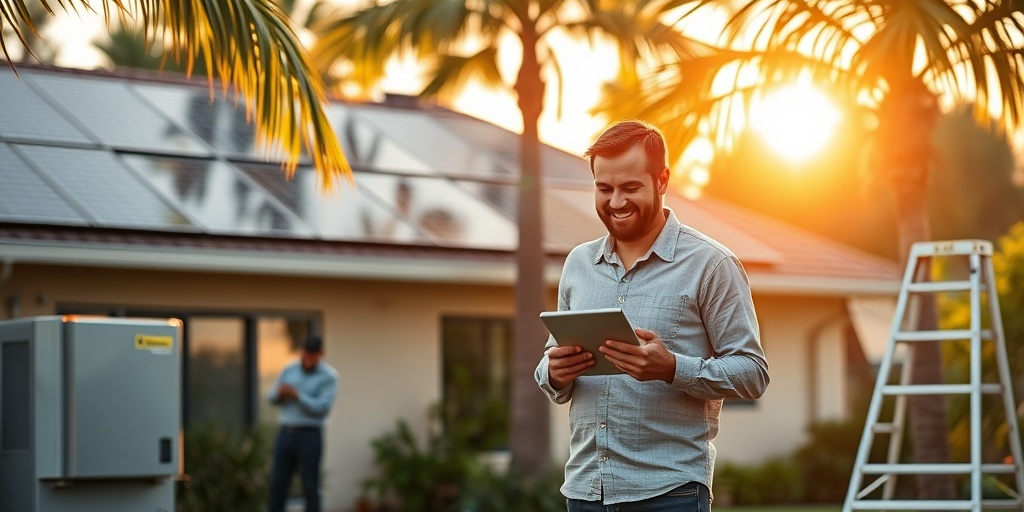
Are you tired of seeing your electric bills soar and worrying about the stability of the energy grid? You’re not alone. As more Florida homeowners consider their options, the demand for solar energy solutions is surging. Did you know that Florida ranks as the third leading state for solar power capacity in the U.S., with over 4.2 gigawatts installed in 2023? (SEIA.org). This trend is expected to grow, especially as federal incentives for solar battery storage are set to become even more favorable by 2025. Welcome to our article titled 5 Essential Steps for Solar Battery Storage Success, where we will demystify solar battery storage systems and arm you with the essential knowledge needed to enhance your energy savings today. With the rising costs of electricity and increasing interest in sustainable living, understanding solar battery storage is urgent for homeowners and commercial property owners alike. In this guide, we will navigate through five pivotal sections: a compelling case study showcasing a successful solar battery installation, a practical checklist for you to follow, myth-busting common misconceptions, a focus on the local Florida market, and a technical deep dive into how solar battery systems work.
Start Your Solar Journey with a Success Story
Meet Sarah, a devoted mother of two living in St. Petersburg, Florida. After experiencing several outages during storm season and facing ever-increasing electric bills, she decided to explore solar battery storage for her home. Sarah’s journey began with a thorough assessment of her needs and a comprehensive discussion with a local solar provider. The results were remarkable: by the end of her installation, Sarah not only slashed her electricity bills by 50% but also gained peace of mind during storms and rolling blackouts. She now enjoys the benefits of owning her power and maximizing her solar savings. This successful case highlights the incredible potential of solar battery storage, showing that with the right preparation and information, your home could achieve similar results.
Your Solar Storage Success Checklist
Here are 5 Essential Steps for Solar Battery Storage Success:
- Assess Your Energy Needs – Take a close look at your electrical consumption, ideally over the past 12 months. This evaluation is essential to determine the size and capacity of the battery system you will need to install. Typically, a family of four might require a battery that stores 10-15 kilowatt-hours (kWh) of energy per day.
- Explore Battery Options – There are several types of solar batteries available, including lithium-ion, lead-acid, and flow batteries. Each type has its pros and cons in terms of lifespan, efficiency, and cost. By understanding which type suits your needs best, you can make an informed decision based on factors like budget and output.
- Choose a Trusted Installer – Your solar battery system is only as reliable as the team you choose to install it. Look for contractors with solid reviews and references. A local expert will have specialized knowledge of Florida’s solar legislation and climate challenges to guide you through the process.
- Understand Local Incentives – Florida offers a variety of incentives for installing solar and battery systems, such as property tax exemptions and potential rebates. Familiarize yourself with current policies through sources like the Florida Solar Energy Center, ensuring that you take full advantage of available savings.
- Plan for Maintenance – After installation, regular maintenance checks will extend the lifespan and efficiency of your battery system. Schedule annual assessments to monitor the health of your batteries and ensure they are performing optimally over time. Battery backups often require little maintenance beyond regular checks, but it’s critical to stay engaged with your system’s performance.
Debunking Common Solar Battery Myths
Many misconceptions surround solar battery storage that can deter potential users. Let’s clear the air:
- Myth #1: Solar Batteries Are Only for Off-Grid Living – In reality, solar batteries are beneficial for grid-tied homes too. They enable homeowners to store energy generated during the day for use in the evenings or during outages, offering increased energy independence.
- Myth #2: Solar Batteries Are Too Expensive – While upfront costs can be high, the long-term savings from reduced electric bills often outweigh the initial investment. Moreover, recent federal tax credits are making solar battery solutions more accessible than ever (Energy.gov).
- Myth #3: Solar Batteries Don’t Work Well in Florida’s Humidity – Many modern batteries are built to withstand Florida’s warm, humid climates, ensuring they perform efficiently. Selecting the correct type for local conditions helps maximize performance.
- Myth #4: Solar Storage Systems Require a Lot of Space – Advances in technology mean that many batteries are now compact and designed to fit comfortably in basements, garages, or utility rooms. You don’t need excessive space to benefit from solar battery storage.
- Myth #5: Once Installed, Solar Batteries Are a ‘Set It and Forget It’ Solution – Batteries do require periodic checks and maintenance to ensure optimal operation. However, this effort is minimal compared to the rewards of energy savings and energy reliability.
The Local Florida Focus: Everything You Need to Know
Florida is emerging as a crucial player in solar energy adoption in the United States. With an average of 237 sunny days each year, homeowners are discovering the power of the sun to lower their utility bills and increase energy independence. In fact, Florida’s solar market has grown by over 73% from 2017 to 2022 alone (SEIA.org). This dramatic increase showcases an urgent need for Florida homeowners to embrace solar battery storage in light of rising energy prices. The state is also continually improving its regulatory landscape, with initiatives aimed at promoting solar energy, such as the Solar Energy Systems Sales Tax Exemption and additional incentives available to property owners through the state. Such encouragement makes now the ideal time to invest in both solar panels and battery storage solutions.
A Technical Deep-Dive into Solar Storage Systems
Understanding how solar battery systems operate is vital for making informed decisions. Solar batteries manage energy by storing excess power generated during peak sunlight hours for later use. Homeowners feed energy into batteries through a solar inverter that integrates with their photovoltaic system. Most modern systems employ lithium-ion technology due to its efficiency and longevity, generally offering a lifespan of 10-15 years.
Here are some key components that make up these systems:
- Inverter: Converts direct current (DC) generated by solar panels into alternating current (AC) used in homes.
- Battery Management System (BMS): Monitors battery function, optimizing charge cycles and ensuring safety to make the system more efficient.
- Charge Controller: Ensures the battery operates within safe voltage levels and prevents overcharging, helping extend battery life.
- Backup Generator Option: A backup generator may be an excellent addition for homes in areas prone to frequent outages, allowing for comprehensive energy security.
Canadian Solar estimates that adding a backup battery alongside solar panels can potentially lead to a cumulative savings of over $28,000 for homeowners over the lifetime of their solar system (SolarReviews.com). As the integration of solar technology with energy storage continues to evolve, remaining informed about technological advancements can bolster your decision-making process for your solar energy journey.
Next Steps for Florida Solar Buyers in 2025
If you’re eager to take the leap into solar battery storage, follow this actionable checklist to streamline your process:
- Audit Your Electric Bill – Analyze your monthly energy usage and costs to identify patterns. This information can be crucial when determining the necessary capacity for a solar battery system.
- Investigate Local Installation Companies – Research contractors in your area who specialize in solar installations and read their reviews to ensure they have reputable credentials and expertise.
- Review Financing Options – Explore available financing plans, grants, and incentives to help ease the burden of the upfront investment. Familiarize yourself with programs designed to reduce the cost, particularly those available in Florida.
- Schedule a Consultation – Book an appointment with a solar consultant to receive personalized recommendations based on your unique needs. Professionals can offer tailored advice on battery systems suited to your capacity requirements.
- Prepare Your Home for Installation – Ensure that your roof and electrical infrastructure are ready for the solar installation process. If roofing repairs are needed, address them beforehand to facilitate a smooth installation.
Taking these steps not only demystifies the process of shifting to solar energy but establishes a solid foundation for future energy independence and savings. As your financial landscape changes with energy savings, your decision to go solar can positively impact your family’s finances for decades to come.
In summary, embracing solar battery storage in Florida is more than just a beneficial trend—it’s a pivotal decision for energy savings and home efficiency. By assessing your energy needs, choosing suitable battery options, clearing up myths, understanding Florida’s incentives, and diving into the technical aspects of solar storage, you’re well-prepared to join the revolution. Ready to start your solar journey in 2025? Connect with a certified expert at floridaelectricandsolar.com today.
Related Articles
More insights about Battery Storage

What Is a Solar Battery and How Does It Store Power for Your Florida Home?

Beginner’s Guide to Solar Battery Storage Essentials

Florida Homeowners: Unlock Benefits of Solar Battery Storage Today
Ready to Go Solar?
Have questions about solar energy? Our experts are here to help you make the switch to clean, renewable energy.