
5 Important Steps for Understanding Off-Grid Solar Systems
Share:
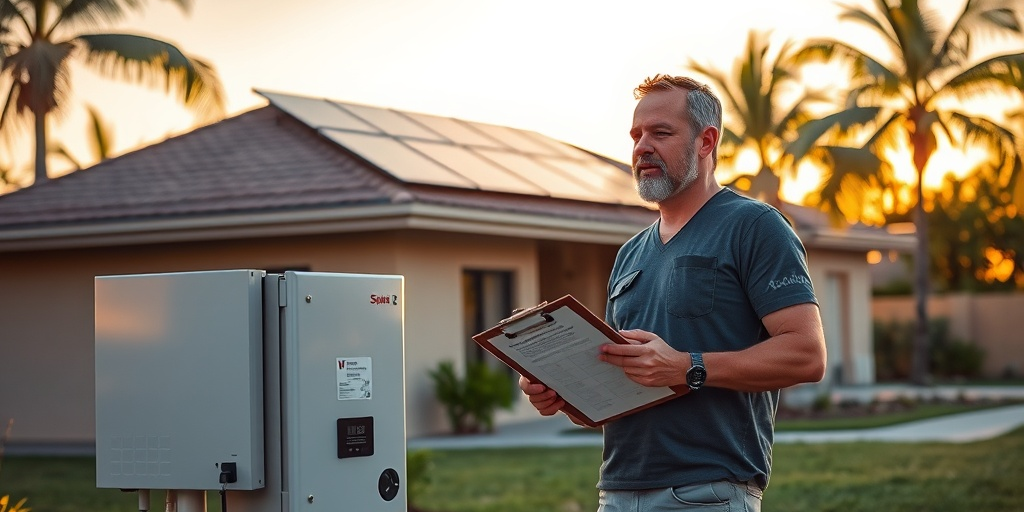
Have you ever considered the staggering reality that nearly 70% of Floridians pay more than $200 monthly for electricity? With rising energy costs and climate concerns, many are seeking a solution to regain control of their power needs. Welcome to our blog titled 5 Important Steps for Understanding Off-Grid Solar Systems! Understanding off-grid solar systems is not just about preserving the environment; it’s also about fortifying your financial future. Did you know that around 1.2 million U.S. homeowners opted for solar systems in 2022 alone, and the number is expected to soar by 25% by 2025? (SEIA.org). In an area like Florida, where the sun shines generously, embracing off-grid systems could grant you unprecedented energy independence and significant savings, especially with new solar incentives emerging in 2025. This piece is designed to walk you through five pivotal steps to effectively understand off-grid solar systems and their remarkable potential.
In the sections ahead, we will unveil a captivating case study that illustrates the real-life impact of off-grid solar, offer a practical checklist to help you get started, debunk myths that may be clouding your judgment, focus on how Florida’s specific regulations and incentives apply, and dive into the technical components that make these systems work. Let’s embark on this enlightening journey and unlock the true power of solar energy!
Understanding the Power of Off-Grid Solar Systems
Imagine the freedom of living off the grid, where you rely solely on your own energy production, disconnected from rising electricity prices. This is the reality for many Floridians like Tom and Jessica, who decided to invest in an off-grid solar system in their rural home near Tallahassee. Faced with escalating electric bills that consumed nearly 20% of their monthly income, they began to seek alternatives. Coincidentally, they stumbled upon the concept of off-grid solar systems, which would not only empower them financially but also lessen their carbon footprint.
- **Step 1: Understand Your Energy Needs** – Tom and Jessica assessed their energy consumption, identifying their most power-hungry appliances to optimize their system.
- **Step 2: Explore Your Solar Options** – They researched various types of solar panels and battery setups suitable for off-grid living.
- **Step 3: Evaluate Costs and Savings** – With incentives available in Florida, including a 26% federal tax credit (Energy.gov), they calculated long-term savings against upfront costs.
- **Step 4: Find Reliable Installers** – After thorough research and reviews, they partnered with a reputable installation company.
- **Step 5: Monitor and Adjust** – Post-installation, they continually monitored their system performance and made necessary adjustments.
But it wasn’t all smooth sailing. One common myth they encountered was the belief that off-grid systems require excessive maintenance and are costly to maintain over time. On the contrary, they discovered that solar technology advancements have made these systems low-maintenance, requiring minimal attention post-installation. This insight not only alleviated their concerns but empowered them to move forward boldly.
By 2025, recognizing your electricity consumption and examining alternative solar energy options will become crucial for homeowners. With statistics showing that solar energy is expected to supply nearly 20% of all U.S. energy by that time (Energy.gov), understanding off-grid systems can lead to personalized solutions suited to your specific needs and preferences. Transitioning to solar systems can present various empowering benefits, including enhancing your energy independence and saving money on electric bills year-round.
Your Five-Step Checklist for Off-Grid Solar Systems
To successfully navigate the transition to an off-grid solar system, you’ll need a comprehensive understanding of the facilities and components involved in daily energy independence. Here’s a straightforward checklist to streamline the process:
- Step 1: Understand Your Energy Requirements – Before diving into solar, evaluate your household’s energy consumption. An energy audit can reveal which appliances consume the most power, allowing you to decide how large your solar system needs to be. Engage local Florida experts to ensure accuracy in your assessment.
- Step 2: Research Solar Technologies – Learn about the different components of an off-grid solar system: solar panels, batteries, and inverters. For instance, lithium-ion batteries have become popular due to their efficiency and decreasing costs, which can be invaluable for continuous energy supply.
- Step 3: Calculate Costs and Potential Savings – Examine the investment needed for batteries, panels, and installation while considering tax incentives. Florida homeowners can benefit from the Solar Energy Property Tax Exemption, which ensures the value added by a solar system doesn’t affect your property taxes (DSIREUSA.org).
- Step 4: Find Qualified Installers – Not all solar installers are created equal. Research and shortlist reputable Florida solar companies that specialize in off-grid installations. Look for verified customer reviews and check their certifications and experience.
- Step 5: Monitor System Performance – Once installed, it’s essential to understand how to monitor your solar production and energy usage. Many systems have monitoring software integrated, allowing you to check performance in real-time and maximize efficiency by adjusting usage as necessary.
As you consider going off-grid, keep in mind that the journey is as crucial as the destination. The educational resources offered by local Florida companies like floridaelectricandsolar.com can serve as a guide from preliminary research to installation and beyond.
Debunking Common Myths About Off-Grid Solar
Unfortunately, misinformation can cloud the path to adopting solar technology. Here are several myths that persist and the truths that dismantle them:
Myth #1: Off-Grid Solar is Only for Remote Locations
Contrary to popular belief, residents in urban and suburban locations can also benefit from off-grid solar systems. With the right setup, these systems can meet the energy needs of homeowners in any setting—urban or rural.
Myth #2: High Initial Costs Make Off-Grid Systems Unfeasible
While upfront costs can be high, remember that state and federal rebates make these systems more attainable. Plus, long-term savings and energy independence significantly outweigh initial expenses over time.
Myth #3: Off-Grid Systems Are Difficult to Maintain
Technological advances have made modern off-grid systems surprisingly low-maintenance, with tasks like cleaning panels or monitoring systems requiring minimal effort. Additionally, many manufacturers provide comprehensive warranties, ensuring peace of mind.
Myth #4: You’ll Have to Sacrifice Comfort
With careful planning and accurate assessment, homeowners can enjoy the same conveniences powered by off-grid systems that they expect from grid-tied setups, including home appliances and heating systems.
Myth #5: All Solar Panels Are the Same
The market offers various types of solar panels, which differ in efficiency, price, and longevity. Understanding the types—monocrystalline, polycrystalline, thin-film—can give you advantages in navigating the off-grid system that best fits your needs.
As you sift through this rich mixture of fact and fiction, Florida homeowners have access to reliable resources that can guide you through proper understanding and debunking myths surrounding off-grid solar systems.
Best Practices for Off-Grid Solar Installations
If you’re eager about embracing solar energy, following expert-recommended best practices can make a significant difference in the efficiency and success of your installation.
Tip 1: Don’t Skimp on Panel Placement
Proper placement and orientation of solar panels are vital for maximizing sunlight capture. Generally, panels should face true south and be pitched at an angle, optimizing sunlight exposure throughout the year. Many Florida homeowners have deferred their costs by ensuring proper placements.
Tip 2: Invest in Quality Batteries
Choosing reliable batteries is crucial for storing energy effectively. Lithium-ion batteries, while initially more expensive, prove more efficient and durable over time, providing long-lasting energy storage that can adapt to varying consumption levels.
Tip 3: Size Your System Correctly
Avoid the pitfalls of undersizing or oversizing your system. Consult qualified professionals to ensure that your off-grid setup matches your unique energy needs, factoring in daily consumption patterns and expected future changes.
Tip 4: Prepare for Energy Diversity
Using a combination of solar energy systems with backup generators or wind turbines can ensure that energy availability remains consistent even during underproduction or adverse weather conditions, which Florida’s unpredictable climate may present.
Tip 5: Monitor and Analyze Your Usage
Regular monitoring allows you to observe trends in energy consumption, allowing for adjustments and optimization to maximize efficiency. Using energy management software can help track your system’s performance effectively.
These essential tips ensure not only the functional efficacy of your off-grid solar system but also enhance your journey into energy independence!
A Day in the Life of a Fictional Florida Homeowner’s Solar Journey
Meet Laura, a Florida homeowner living near Orlando with dreams of a sustainable lifestyle. After deciding to transition to an off-grid solar system, Laura embarked on a transformative journey filled with learning and empowerment.
- Initial Assessment: Laura began by assessing her home’s energy consumption. She realized her electric bills were unsustainable, contributing about $300 monthly, often leaving her budget tight.
- Research and Selection: She scoured multiple online forums and expert blogs to dive into the off-grid solar world. Information from floridaelectricandsolar.com proved invaluable, guiding her through available options.
- Installation Day: Excitement filled Laura the day her installation crew arrived. The day unfolded seamlessly; they quickly set up her panels on the roof with careful orientation, maximizing her system’s efficiency.
- First Month: As the first month went by, Laura eagerly monitored her solar output through an app to check energy generated versus energy used. Surprised by the consistent energy production, she reveled in the newfound independence from electric bills.
- Payoff: Six months in, Laura realized she’d saved over $1,500 in utility costs! The investment was more than financial—it was her commitment to the environment and a reduced carbon footprint.
Her success exemplifies how transformative adopting off-grid solar systems can be. With such substantial savings on her electric bill, Laura is now dedicated to advocating for sustainability within her community, encouraging other Florida residents to explore their path to energy independence.
Next Steps for Florida Solar Buyers in 2025
As you embark on your solar journey, it’s essential to approach this transition with thoughtful planning. Here’s your actionable checklist for 2025:
- Step 1: Audit Your Electricity Bills – Review the last 12 months of energy consumption to determine your average usage and overall costs. Understanding your baseline consumption can help you plan effectively.
- Step 2: Research Available Incentives – Florida has many financial incentives available for solar energy; look into state and federal credits to maximize your benefits. Don’t miss the opportunity for valuable rebates!
- Step 3: Consult with Solar Experts – Engage certified professionals for consultations, ensuring you receive proper guidance tailored to your specific energy requirements and preferences.
- Step 4: Plan for Installation Timing – Timing your installation can impact your energy production. The optimal months for solar setups usually fall within the low cloudy seasons, ensuring panels gather maximum sunlight while avoiding extreme weather.
- Step 5: Stay Informed about Industry Changes – Solar technology rapidly evolves, with frequent updates on policies and incentives. Keep abreast of changes that can affect your setup. Resources like floridaelectricandsolar.com keep you informed.
By following these next steps, you can streamline the process of adopting solar technology, ensuring you’re well-prepared for a financially savvy decision that delivers long-term rewards.
As we conclude this deep dive into off-grid solar systems, it’s essential to realize that knowledge is power. Florida homeowners have a unique opportunity to embrace solar energy, not just as a trend but as a vital investment for the future. With rising energy prices and significant savings at stake, a thoughtful and well-researched approach can set you on the path to energy independence.
Are you ready to start your solar journey in 2025? Connect with a certified expert at floridaelectricandsolar.com today.
Related Articles
More insights about Off-Grid Solar

Myth-Buster: Off-Grid Solar Systems Are Not Always Unaffordable

What You Need to Know About Off-Grid Solar Systems

How One Florida Business Reduced Costs with Off-Grid Solar Systems
Ready to Go Solar?
Have questions about solar energy? Our experts are here to help you make the switch to clean, renewable energy.