
7 Essential Steps for Solar Battery Storage Success
Share:
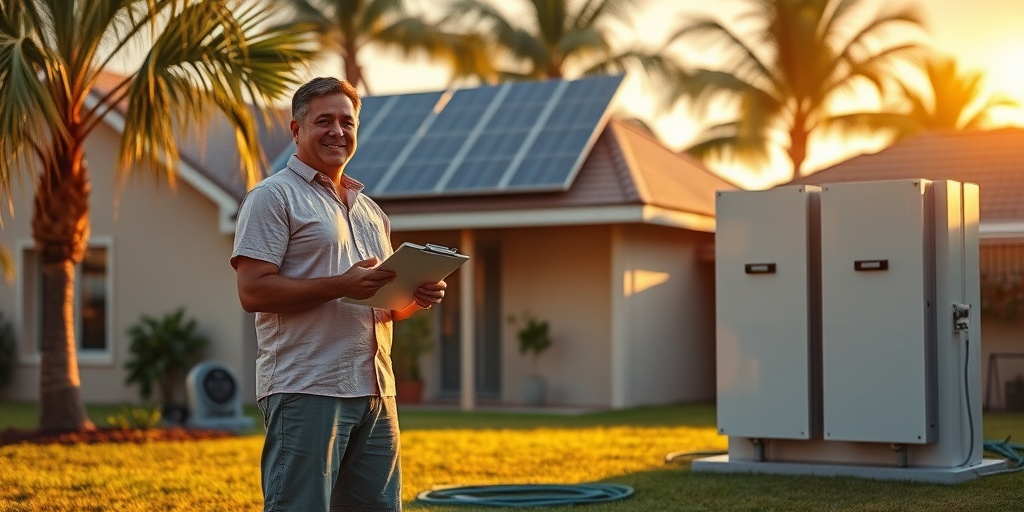
Have you considered the remarkable power of solar battery storage to not just conserve energy but redefine your relationship with electricity? In 2025, the stakes are higher than ever as Florida homeowners face skyrocketing energy costs and unpredictable electricity demands. Did you know that solar and battery storage systems have the potential to cut energy bills by up to 70%? (SEIA.org) Or that a well-planned solar investment could yield an impressive return of anywhere between 10-20% annually? (Energy.gov) With the right strategy, maximizing your solar energy benefits has never been more urgent.
Welcome to “7 Essential Steps for Solar Battery Storage Success!” In this comprehensive guide, you will learn how to secure your investment with practical insights and actionable steps toward maximizing your efficiency and savings. As solar technology continues to evolve, understanding the intersection of solar energy and battery storage equips you with the chance to not only lower your bills but also contribute to a more sustainable Florida.
In this article, we’ll explore the following five sections:
- Case Study: A real-world scenario demonstrating the pitfalls and successes of a solar battery system.
- Checklist: A structured guideline with actionable steps to ensure your solar battery installation is a success.
- Myth-Buster: Debunking common misconceptions about solar battery storage.
- Local Focus: Insights tailored for Florida homeowners looking to dive into solar energy solutions.
- Technical Deep-Dive: A thorough analysis of the technology and policies surrounding solar batteries.
Let’s harness the solar power revolution together!
Understanding Your Solar Battery Storage: A Case Study
Imagine Maria and Tom, a young couple living in the sunny cities of Tampa, Florida. With a mortgage tightening their budget and electricity costs continuing to rise—over 50% in the last few years alone (SolarReviews.com)—their quest for energy independence led them to explore solar battery storage. Initially skeptical about the practicality of the investment, they came across information suggesting that investing in both solar panels and battery storage could significantly reduce their monthly electric bills.
The couple installed a combined solar energy and battery system that would allow them to store excess energy produced during the day and use it during peak hours or when the grid goes down. One year into their installation, they noticed a staggering 65% decrease in their monthly electricity bills compared to the previous year. But their journey was not without challenges. Here’s a checklist of lessons they learned to ensure they achieved solar battery storage success:
- Step 1: Do your homework. Research the types of solar batteries available and find out which model fits your needs.
- Step 2: Consult with professionals. Engage a reputable installer who understands Florida’s energy landscape.
- Step 3: Evaluate your energy usage patterns. Determine when you use more electricity and how to maximize your savings.
- Step 4: Understand local incentives. Florida’s solar rebates and tax incentives can significantly impact your overall costs.
- Step 5: Monitor and maintain your system. Keeping track of performance helps you optimize efficiency.
This checklist proved invaluable for Maria and Tom, allowing them to enjoy the rewards of their investment while avoiding common pitfalls. Yet, they realized there were myths circulating in their community regarding solar battery systems that deserved to be addressed.
Myth-Busters: Unraveling Common Misconceptions
You may have heard stories or personal anecdotes that might paint an overly negative picture about solar battery systems. Let’s delve into some common myths that could discourage potential solar adopters in Florida:
- Myth #1: Solar batteries are too expensive and not worth the investment.
- Myth #2: Solar battery systems are not necessary in sunny Florida.
- Myth #3: My energy provider doesn’t allow solar battery systems.
- Myth #4: Solar batteries can’t function at night.
- Myth #5: Once installed, a solar battery system requires little to no maintenance.
While it’s true that the initial cost can be high, federal incentives (up to 30% off the total installation cost) and decreasing energy costs of solar technology make this a wise investment in the long run. (SolarEnergyWorld.com)
Though Florida enjoys abundant sunlight, grid instability, especially during hurricane season, necessitates a backup power source. Battery storage provides peace of mind and energy security.
Most major utilities in Florida support battery installations and offer programs to encourage homeowners to invest in renewable energy. Research your local utility’s policies, as many have favorable terms for net metering.
While solar panels generate energy during the day, batteries store that energy for use at night or during outages. It’s one of the primary benefits of solar battery systems.
Though generally low in maintenance, periodic checks are essential to ensure proper functioning and efficiency, along with potential software updates for monitoring systems.
With the evidence debunking these myths, many Floridians are becoming eager to take the leap into solar battery technology. However, Florida’s unique climate and regulatory nuances add another layer of complexity to adopting this technology.
Florida Focus: What You Need to Know
As a Florida homeowner, understanding state regulations, incentives, and local market trends will play a vital role in your solar battery storage success story. The Solar Energy Industries Association reported that Florida ranks fourth in the nation for solar power capacity, meaning there’s a rapid increase in both the availability of technology and financing options for residents (SEIA.org).
Here are key components unique to Florida’s solar landscape:
- Incentives and Rebates: Florida offers different renewable energy tax credits that can help offset your solar investment. Research state-specific programs that may apply.
- Net Metering Policies: Understanding how net metering works is crucial. You’ll receive credits on your utility bill for power you contribute back to the grid. Familiarize yourself with the rules affecting grid connections.
- Hurricane Preparedness: Consider storm rating and your battery’s durability in extreme weather. Selecting a robust system that can withstand Florida’s intense storms is essential for long-term success.
- Utility Rates: Analyze local electric rates and consider how time-of-use (TOU) pricing can influence the cost-effectiveness of your solar battery system.
- Community Solar Programs: Look into programs that allow participation without requiring a full solar setup, providing an opportunity for those who can’t install on their property.
Florida homeowners must embrace these unique factors in their solar battery decision-making process to maximize energy savings and security. As we delve deeper into technical aspects of battery storage, we will find solutions that align with these factors.
Technical Deep-Dive: The Nuances of Solar Battery Technology
When it comes to the technical side of solar battery storage, understanding the types of batteries available, their discharge rates, and how they integrate with your existing solar setup is crucial. Here’s a breakdown:
- Lithium-Ion Batteries: Currently one of the most popular choices due to their efficiency and longer lifespan, often averaging 10-15 years. They have a high energy density, a considerable capacity for quick energy discharge, and are lightweight.
- Lead-Acid Batteries: These are older technology but still prevalent. They’re less expensive but suffer from shorter lifespans, and they may require more maintenance than lithium-ion systems (NREL.gov).
- Flow Batteries: A more recent innovation, flow batteries are promising but often less efficient compared to lithium-ion counterparts mainly due to size and weight. They can last longer and are easily scalable for larger energy needs.
- Battery Management Systems (BMS): These systems help monitor the health of your batteries, track performance, and can optimize their use throughout the day. Investing in a state-of-the-art BMS pays dividends down the line.
- Integration with Smart Home Technology: Many solar batteries complement smart energy management systems, allowing homeowners to automate their energy usage based on peak hours or specific preferences.
Battery efficiency and compatibility with inverters also dictate how effectively stored energy can be utilized. It’s essential to consult with experts who understand local utilities and can help optimize your energy output for the best savings results.
Next Steps for Florida Solar Buyers in 2025
As we come to a close on your journey through the 7 Essential Steps for Solar Battery Storage Success, it’s time to take action! Here’s a curated checklist to simplify your plans:
- Step 1: Audit Your Electric Bill: Analyze past bills to identify your energy usage patterns and peak hours.
- Step 2: Research Solar Providers: Ensure the company you choose is licensed, insured, and experienced in Florida installations.
- Step 3: Determine Battery Size and Capacity: Work with your installer to find the ideal battery size that fits your energy needs.
- Step 4: Apply for Incentives: Look into federal and state programs available to offset your costs.
- Step 5: Plan for Maintenance: Ensure you understand the maintenance requirements and costs associated with your installed technology.
Securing your energy independence through solar battery storage in Florida can begin today or become a reality sooner than you think. If you’re looking for guidance, consider reaching out to the experts at floridaelectricandsolar.com today!
In conclusion, going solar with battery storage is more than just a trend; it’s a necessary investment for Florida homeowners in 2025 and beyond. By following the essential steps outlined in this guide, you can maximize your energy savings while contributing to a cleaner planet for future generations. The urgency is apparent—don’t let rising electric costs and grid instability dictate your energy future. With a proactive approach, you can own your power.
Ready to start your solar journey in 2025? Connect with a certified expert at floridaelectricandsolar.com today.
Related Articles
More insights about Battery Storage

What Is a Solar Battery and How Does It Store Power for Your Florida Home?

Beginner’s Guide to Solar Battery Storage Essentials

Florida Homeowners: Unlock Benefits of Solar Battery Storage Today
Ready to Go Solar?
Have questions about solar energy? Our experts are here to help you make the switch to clean, renewable energy.