
7 Essential Steps for Solar Battery Storage Success in Florida
Share:
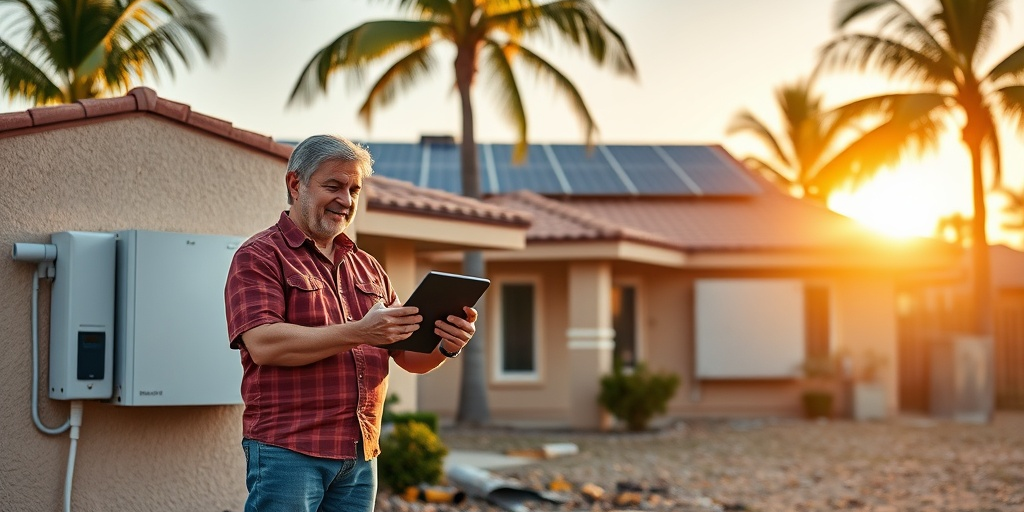
In the bright sunshine of Florida, where the sun generously beams down on homes and businesses alike, one statistic stands out among the rest: by 2025, the demand for solar power in homes is projected to increase by over 40% (SEIA.org). It’s no surprise, then, that solar battery storage is becoming essential for homeowners eager to harness this abundant energy source. But how can you ensure your solar battery storage setup is successful? In our article, 7 Essential Steps for Solar Battery Storage Success in Florida, we’ll explore critical strategies that will help you maximize energy savings and achieve optimal performance.
Consider these realities: According to the Solar Energy Industries Association, the average cost of electricity in Florida is approximately 12.38 cents per kilowatt-hour—one of the highest rates in the Southeastern U.S. (ElectricChoice.com). With rising energy costs, homeowners have a strong incentive to look for alternatives that reduce reliance on the grid. Additionally, as the Florida grid’s instability has raised concerns for many (Energy.gov), investing in solar energy coupled with battery storage has never been more timely. Understanding this topic is crucial for homeowners looking to make informed choices in 2025 and beyond.
So, what are the essential steps for ensuring your solar battery storage solutions thrive in the Sunshine State? We’ll guide you through five upcoming sections that include a case study of a successful solar battery installation, a practical checklist for your solar projects, common myths surrounding solar battery use, crucial Florida-specific focus points for homeowners, and a technical deep dive into how solar batteries work effectively. Let’s dive in!
Understanding Successful Solar Battery Storage: A Deep Dive
To navigate your solar battery storage journey successfully, it helps to learn from those who have walked this path before. Meet Jason, a Florida homeowner in Orlando who recently took the plunge into solar energy. Last year, Jason installed a rooftop solar panel system paired with battery storage, motivated by rising electric bills and the desire for energy independence. His installation journey highlights pivotal steps that any Florida homeowner can follow for success.
Case Study: Jason’s Orlando Solar Journey
When Jason first explored going solar, he did thorough research. Initially skeptical, he discovered that with Florida’s abundant sunshine, solar energy could provide significant savings. His first step was contacting a local solar provider who specialized in solar battery systems and guided him through his options. Jason chose a reputable company based on recommendations and online reviews.
Step 1: Understand Your Energy Needs. Jason completed an energy audit of his home, identifying not just his current usage but also future energy demands. This audit enabled him to select a battery storage system that would adequately power his home during outages, ensuring peace of mind.
Step 2: Choose the Right Solar System. Jason learned that not all solar systems are created equal. He selected high-efficiency panels and a lithium-ion battery system for its reliability and capacity. Following a consultation with his provider, he received a tailored solution that met his unique energy demands and budget.
Step 3: Consider Local Incentives. Jason quickly discovered that Florida offers several incentive programs for solar installations, including the federal solar tax credit and local rebates. By understanding these localized financial opportunities, he reduced his upfront costs significantly.
Step 4: Regular Maintenance. Jason schedules routine maintenance checks for his system, extending its lifespan and efficiency. For Florida homeowners, this proactive approach can mitigate issues caused by extreme weather events, such as hurricanes.
Step 5: Monitor Your Energy Production. Jason invested in software to monitor his system’s performance, ensuring it operates at maximum efficiency. This technology gives him insights into how much energy he generates and stores, helping him troubleshoot and tweak if necessary.
Checklist for Solar Battery Storage Success
Now that you have a tangible example, here’s a checklist enumerating the crucial steps to guarantee your solar battery storage success:
- Step 1: Conduct an Energy Audit – Understand your current and future energy needs.
- Step 2: Select the Right System – Explore high-efficiency solar panels and suitable battery options that fit your energy profile.
- Step 3: Investigate Incentives – Look into federal and local incentives specific to Florida that can ease your financial burden.
- Step 4: Schedule Regular Maintenance – Implement a routine for inspections and upkeep of your solar system.
- Step 5: Invest in Monitoring Tools – Use technology to keep tabs on system performance and troubleshooting.
Ultimately, Jason’s journey is both inspirational and instructional. Florida’s dynamic solar landscape is filled with opportunities, but it requires informed decision-making to succeed. As more Floridians like Jason take the leap into solar, the conversation around myths must be addressed.
Debunking Common Myths About Solar Battery Storage
As with any rapidly evolving market, solar battery storage comes with its own set of myths. Let’s debunk some of the most common misconceptions that could hold Florida homeowners back from embracing this technology.
Myth #1: Solar Battery Storage Is Too Expensive. Many believe that the initial investment for solar battery storage is prohibitive. However, considering the savings on electric bills and available incentives, the long-term benefits often outweigh the upfront costs. In fact, with federal tax credits, the adoption of storage solutions can become much more affordable (SolarReviews.com).
Myth #2: Batteries Are Not Necessary for Solar Power. A common misunderstanding is that solar panels alone suffice for energy independence. In Florida, where tropical storms and hurricanes can disrupt power, using battery storage ensures that households can maintain power even during outages.
Myth #3: All Solar Batteries Are the Same. Not all batteries are equal. The capacity, lifespan, and efficiency can vary significantly among different battery systems. For homeowners in Florida, understanding these differences is essential to make an informed choice.
Myth #4: You Can’t Use Solar Energy at Night. While it’s true solar panels don’t produce energy at night, batteries store excess energy generated during the day for nighttime use. This means Floridians can access solar energy around the clock.
Myth #5: Installing Solar Is Complicated. Some homeowners envision lengthy, complex installations filled with potential downtime. On the contrary, choosing seasoned professionals for installation can streamline the process, making it efficient and hassle-free.
Florida-Specific Benefits of Solar Battery Storage
Solar battery solutions allow Florida homeowners to harness energy advantages that suit the unique climate and energy landscape of the state. Here are key benefits accompanied by relevant statistics:
- Tax Incentives: Florida provides various incentives to homeowners installing solar, including state sales tax exemptions and property tax exclusions for solar energy systems (NREL.gov).
- Net Metering: Florida’s net metering policy allows homeowners to benefit from excess energy generated by their solar panels, receiving credits on their electric bills when they produce more energy than they consume.
- Growing Demand: The solar market in Florida is rapidly expanding, with the state ranking among the top U.S. solar markets, and it is expected that by 2025, solar energy sources will continue to provide energy for over 700,000 residences (SEIA.org).
- Climate Resilience: The battery storage promotes resilience against power outages due to severe storms, a common risk for Florida homeowners.
Understanding local incentives, regulations, and unique environmental factors can dramatically increase the efficiency of your solar battery storage system. Recognizing these advantages positions Florida residents for success as they embark on their solar journeys.
5 Expert Solar Installation Tips for 2025
As Florida homeowners prepare to engage with the solar market, here are expert tips to ensure optimal installations that not only drive down energy costs but position you for long-term success.
1. Collaborate With a Trusted Installer
Choosing the right solar provider is paramount. Look for a company with local experience and positive reviews. A reliable installer will provide insight that aligns with Florida’s specific regulations and benefits.
2. Evaluate Financing Options
Many financing alternatives exist for solar installations, including lease options and loans. Evaluating these carefully can help you optimize your investment.
3. Prioritize Quality Over Price
It might be tempting to select the lowest-priced options, but quality components guarantee reliability. Investing in high-efficiency panels and durable batteries can save money in the long run.
4. Consider Future Energy Needs
Plan your solar system with an eye on the future. If you anticipate adding electric vehicles or larger appliances, ensure you choose systems that accommodate those future requirements.
5. Understand Utility Regulations
Florida’s utility regulations can be complex. Make informed decisions that adapt to current standards while benefiting from net metering and energy buyback programs.
Next Steps for Florida Solar Buyers in 2025
Embarking on your solar journey can be daunting yet rewarding. Here’s a concise action plan to guide you through the process.
- Step 1: Audit Your Electric Bill – Understand why solar can lower costs.
- Step 2: Research Local Incentives – Familiarize yourself with state and federal benefits.
- Step 3: Contact Solar Installers – Gather proposals and compare offers.
- Step 4: Evaluate Battery Options – Determine the best storage systems available.
- Step 5: Schedule a Consultation – Speak to professionals about your specific needs.
By following these steps, you can reduce friction in the installation process, ensuring that your solar investment is both financially sound and aligned with your personal goals. For additional support and details on incentives, visit floridaelectricandsolar.com.
In conclusion, the potential for solar energy in Florida is immense. As a homeowner, understanding these essential steps for solar battery storage can unlock significant savings and energy independence. In 2025, with rising energy prices and environmental concerns, finding your pathway to solar energy is more relevant than ever. Whether you are just starting or ready to make the transition, these insights will serve you well. The decision to adopt solar energy affects not just your electric bills but also your family’s future, the health of our planet, and the sustainability of energy usage for generations to come.
Ready to start your solar journey in 2025? Connect with a certified expert at floridaelectricandsolar.com today.
Related Articles
More insights about Battery Storage

What Is a Solar Battery and How Does It Store Power for Your Florida Home?

Beginner’s Guide to Solar Battery Storage Essentials

Florida Homeowners: Unlock Benefits of Solar Battery Storage Today
Ready to Go Solar?
Have questions about solar energy? Our experts are here to help you make the switch to clean, renewable energy.