
9 Essential Steps for Understanding Solar Battery Storage
Share:
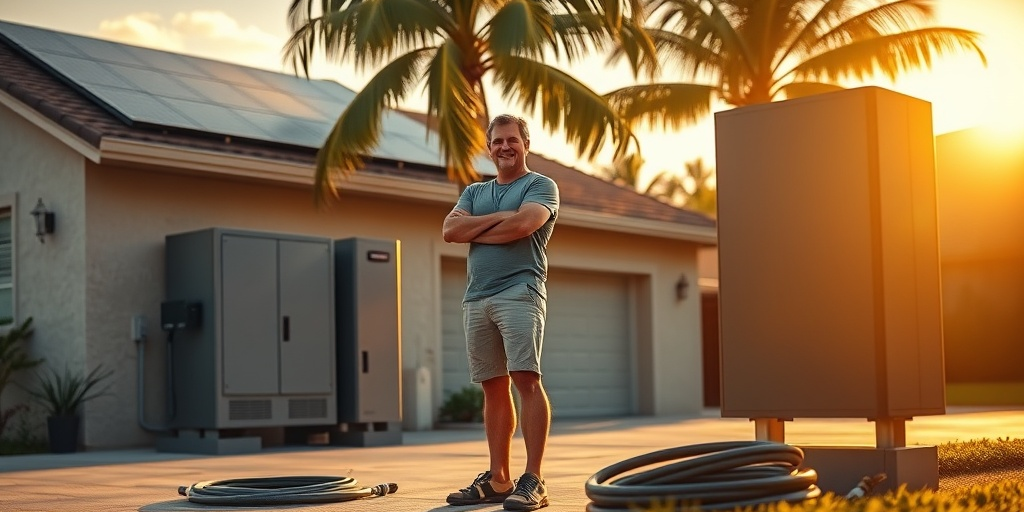
As the world increasingly shifts toward renewable energy, solar power remains at the forefront of this evolution. A staggering 40% of new energy capacity in the United States came from solar in 2021, indicating its rapid rise within the energy market (SEIA.org). As Florida homeowners and commercial property owners look to cut electric bills and own their power, understanding solar battery storage becomes essential. The title of our piece today is “9 Essential Steps for Understanding Solar Battery Storage.” By delving into solar battery storage, you can optimize your energy efficiency and maximize savings today, especially with new incentives rolling out in 2025 that can further enhance your return on investment. Did you know that the average Florida homeowner can save over $1,000 annually by adopting solar energy solutions, especially those coupled with effective battery storage systems? Therefore, understanding how to harness this technology not only improves your financial outlook, but also contributes positively to environmental efforts. Over the next several sections, we will conduct a deep dive into a case study, present a checklist, tackle some myths, draw attention to local factors, and explore technical details to enhance your understanding. Let’s embark on this solar journey together!
Understanding Solar Battery Storage: A Deep Dive
Imagine the sun setting over your Florida backyard, and the energy from your solar panels is still providing power to your home because you have an efficient solar battery storage system installed. This scenario illustrates the power of solar batteries, allowing homeowners to store energy produced during the day for use during the night or on cloudy days. Meet Jane and Tom, a married couple in Cape Coral who made the leap to solar energy. After installing a solar panel system alongside battery storage, they not only decreased their electricity bill by nearly 60% but also felt empowered to use clean energy anytime they needed it.
To understand solar battery storage, let’s establish Step 1: Evaluate Your Energy Needs. How much energy do you consume daily? Checking your past electric bills can offer insights into your typical consumption patterns. Aim to understand your peak hours of energy use—the times when your electric bill spikes. With proper analysis, you’ll discover how much storage you may require.
- Step 2: Explore Types of Solar Battery Systems – There are various options such as lithium-ion batteries, lead-acid batteries, and flow batteries, each with its pros and cons. For example, lithium-ion batteries, popular for residential use, tend to have a longer lifespan and greater efficiency than traditional lead-acid systems, making them ideal for homeowners. Conduct thorough research or consult an expert from floridaelectricandsolar.com to find the best fit for your household.
- Step 3: Understand Local Regulations and Incentives – Florida has introduced several programs and incentives, such as sales tax exemptions and renewable energy property tax exemptions, to encourage solar adoption. Familiarize yourself with policies that may impact your investment; sites like (DSIREUSA.org) can provide valuable resources.
- Step 4: Determine Installation Logistics – Location matters. Ensure your property receives ample sunlight during the day to recharge your battery efficiently. The ideal placement and orientation of solar panels can significantly impact your solar system’s effectiveness.
- Step 5: Monitor Performance – After installation, using monitoring tools can keep you informed about energy production and battery storage levels. Regularly tracking will help you assess if your energy strategy requires adjustments.
Despite understanding these steps, many homeowners are often encumbered by misconceptions about solar energy. It’s essential to clarify these myths.
Solar Battery Storage Myths and Realities
Myth #1: Solar batteries can only be used during power outages. In reality, battery systems allow homeowners to draw energy any time, significantly increasing energy independence regardless of grid reliability. This flexibility means you leverage your stored energy all day.
Myth #2: Batteries are not worth the investment. With rising energy costs and potential savings of over $1,500 during peak usage months, opting for solar battery storage often results in substantial savings in the long run (SolarReviews.com).
Myth #3: Battery technology isn’t reliable. Innovations in technology, such as those used by Tesla and LG Chem, have shown that solar batteries today are vastly more efficient and reliable than those from just a decade ago. Testing and improvements continue to enhance their lifespan and performance.
Myth #4: Only large homes need batteries. Whether you have a small bungalow or a sprawling estate, battery storage provides the best return on investment when paired with solar power, making it beneficial for all types of properties.
Myth #5: Solar systems require constant manual management. Most of today’s systems feature smart technology that allows for automatic monitoring and adjustments, freeing homeowners from having to oversee the system closely.
Florida Solar Benefits and Local Focus
The Sunshine State offers some of the most favorable conditions for solar energy utilization. In Florida, the average homeowner can save approximately $17,000 over 20 years by switching to solar (Energy.gov). This figure becomes even more compelling when considering the potential for increased self-sufficiency provided by solar battery storage.
- 1. Abundant Sunshine: With over 260 sunny days per year, Florida is primed for effective solar energy generation. The more sunlight your panels receive, the more energy you can store.
- 2. Renewable Portfolio Standards: Florida’s commitment to renewable energy sources enhances solar viability. Understanding state policies can help navigate incentives and rebates useful for solar battery storage transition.
- 3. Community Solar Programs: Participate in local community solar programs, allowing you to share the benefits of solar energy with neighbors, even if individual installations aren’t feasible at certain locations.
Given the advantages of battery storage in conjunction with solar power, it’s vital to stay informed on how technology works and can serve your needs.
Technical Deep-Dive into Solar Battery Technology
The intricate workings of solar battery systems reveal their profound importance in your solar power experience. At a technical level, most modern solar battery systems include inverters and various types of energy management systems, which dictate how solar energy is captured, stored, and used.
- Inverters: Inverters transform the direct current generated by solar panels into alternating current, which is then usable in your home. Understanding this conversion’s role in your overall system is crucial for efficiency.
- Battery Management Systems: These systems monitor battery health, capacity, and state of charge, ensuring optimal performance and longevity.
- Energy Efficiency Rates: Pay attention to the efficiency of the batteries being used. High-efficiency batteries maximize the amount of usable energy stored and minimize waste.
Preparing for the solar adoption journey involves primarily understanding the technicalities in your investment—knowledge exceedingly important as you combine both solar power and battery storage to optimize your energy strategy.
Next Steps for Florida Solar Buyers in 2025
As you finalize your decision about considering solar power in 2025, remember that an organized and effective action plan can significantly ease the transition. Here’s an actionable checklist to get you started.
- Step 1: Audit Your Electric Bill – Analyze your recent electric bills for trends in usage. Identify peak times where you may draw more energy, allowing you to justify the battery storage phase.
- Step 2: Consult with Solar Experts – Talk to certified solar consultants or contractors for advice tailored to your specific needs. Professionals, like those found at floridaelectricandsolar.com, can guide you through the entire process, from choosing the suitable battery technology to installation.
- Step 3: Apply for Necessary Permits – Some installations require local, state, or federal permits. Ensure these are in place before investment to avoid complications during installation.
- Step 4: Choose a Top-Notch Installation Company – Quality installation ensures your solar battery system operates optimally. Look for companies with solid reviews, extensive warranty options, and ample experience.
- Step 5: Schedule Regular Maintenance Checks – Periodically inspect your battery system to ensure efficiency and longevity. A simple maintenance schedule can prevent issues that might arise with your systems.
These steps aim to minimize obstacles and empower you to embrace solar power fully. Armed with actionable strategies, it’s time to visualize your energy independence.
In conclusion, understanding solar battery storage is essential for any Florida homeowner or commercial property owner considering solar power. The benefits of solar energy can significantly outweigh the challenges when you approach your energy transition with knowledge and strategic foresight. The urgency to act in 2025 is emphasized by rising energy costs and new incentives aimed at augmenting solar absorption. Together, by detailing action steps, debunking myths, and highlighting local perks and technologies, we illuminate the path toward a future grounded in renewable energy. Embrace the shift, foster energy independence, support sustainable practices, and enhance your savings.
Ready to start your solar journey in 2025? Connect with a certified expert at floridaelectricandsolar.com today.
Related Articles
More insights about Battery Storage

Beginner’s Guide to Solar Battery Storage Essentials

Florida Homeowners: Unlock Benefits of Solar Battery Storage Today

7 Essential Steps for Solar Battery Storage Setup
Ready to Go Solar?
Have questions about solar energy? Our experts are here to help you make the switch to clean, renewable energy.