
Avoid These Common Solar Installation Scams in Florida
Share:
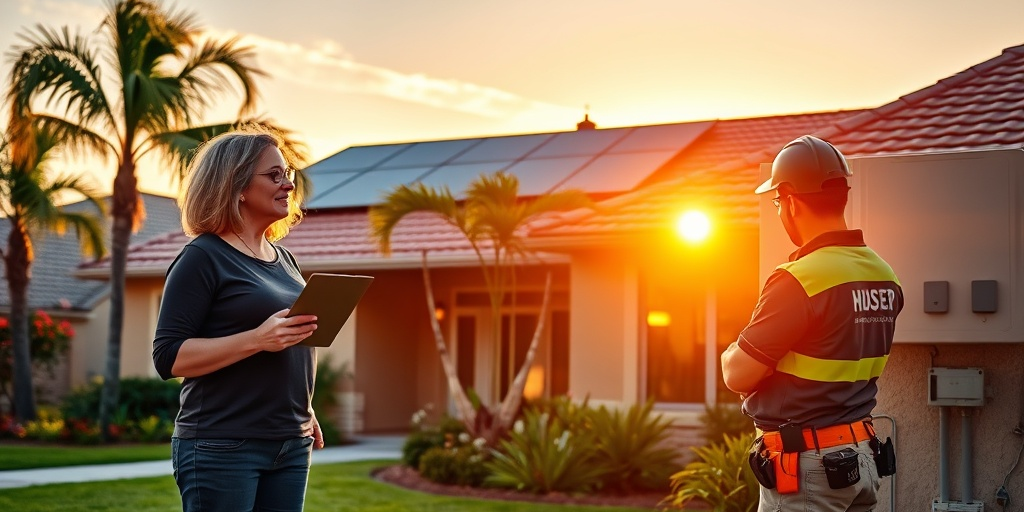
When it comes to solar energy, Florida is a beacon of hope. With abundant sunshine and an increasing number of homeowners and businesses turning to solar power, the state is ripe for renewable energy. However, with this surge in interest comes a darker reality—solar installation scams. In 2025, staying informed about these potential pitfalls is more crucial than ever, as the market is expected to grow exponentially. In fact, Florida ranked fourth in the U.S. for installed solar capacity in 2021, with over 3 gigawatts of solar installed (Energy.gov), and the average savings for Florida homeowners using solar energy reaches up to $20,000 over 20 years (SEIA.org). This article, titled Avoid These Common Solar Installation Scams in Florida, explores how you can protect yourself and your investment against deceitful practices in the solar industry. We’ll dive into five essential sections: understanding common scams through a powerful case study, providing a practical checklist for homeowners, debunking popular myths about solar energy, highlighting Florida-specific risks, and offering technical insights to help you navigate the installation process accurately.
Understanding Solar Installation Scams in Florida
Meet Sarah, a Florida homeowner who excitedly decided to install solar panels to reduce her electric bill and contribute to a cleaner environment. After hearing rave reviews from friends, she jumped at a deal that seemed too good to be true—an entire solar system installed for half the price of the competitors. However, unbeknownst to Sarah, she had unknowingly fallen victim to a common scam. The company she hired provided subpar panels and installation services, leaving her with a system that frequently malfunctioned and underperformed. By the time she realized the extent of the scam, Sarah was not only out of pocket for the initial investment but also facing costly repairs that would add to her financial burden.
This story mirrors countless others across the Sunshine State. Solar scams often prey on homeowners seeking sustainability and cost savings, exploiting their eagerness to embrace solar energy. To protect yourself, here’s a checklist of actionable steps to follow:
- Step 1: Research the company – Look for client testimonials and check their accreditation through the Better Business Bureau.
- Step 2: Verify licenses and insurance – Ensure any installer has the necessary permits and insurance to do the work.
- Step 3: Request multiple quotes – Comparing estimates from several installers can expose unreasonably low offers.
- Step 4: Understand your contract – Read every clause, ensuring there are no hidden fees or terms.
- Step 5: Be wary of unsolicited offers – If someone approaches you with unsolicited deals, exercise extreme caution.
Next, let’s debunk a few pervasive misconceptions many Florida homeowners hold regarding solar energy installations.
Myths About Solar Energy That Could Cost You
Myth #1: Solar panels won’t work on cloudy days. This is far from the truth; while sunny days yield higher output, solar panels still generate electricity under cloudy conditions. Solar technology is designed to capture light, and even indirect sunlight can provide energy.
Myth #2: You can’t sell your home with solar panels. In fact, homes with solar energy systems often sell faster and at higher prices than those without (SolarReviews.com). Potential buyers tend to see the value in reduced energy costs.
Myth #3: Solar energy is only for the wealthy. With the many tax incentives, rebates, and financing options available, solar solutions are becoming accessible to a wide range of homeowners, irrespective of income level.
Myth #4: All solar panels are created equal. In reality, quality of materials and warranty terms vary wildly. It is critical to conduct thorough research on the brands and products your installer offers.
Myth #5: The installation process is messy and complicated. Most reputable companies have streamlined processes to minimize disruption. The best installers will handle all permits and paperwork for you, ensuring a smooth installation.
Arming yourself with the facts dismantles these myths, empowering you to make informed decisions.
Florida-Specific Risks of Solar Installation
Florida is not only home to superior sunlight—its solar energy landscape is unique and, at times, fraught with risk. One of the driving factors behind the rise in scams is the state’s additional encouragement for solar adoption, including a sales tax exemption and a property tax exclusion for solar equipment (DSIREUSA.org). However, this also attracts bad actors looking to exploit the growing interest in solar solutions.
- Risk #1: Inexperienced Installers – Florida’s solar market is expanding so rapidly that many new companies enter the field without solid ongoing education on installation techniques or technologies, leading to substandard work.
- Risk #2: Unsolicited Sales Calls – Beware of aggressive marketing tactics from companies that use high-pressure sales techniques, often resulting in rushed decisions.
- Risk #3: Hidden Fees – Some companies will quote low prices that lure you in, only to add hidden fees after the contract is signed; read every line and ask questions.
By distinguishing these Florida-specific challenges, you further equip yourself to identify and avoid potentially harmful scams in the solar space.
Technical Insights for Navigating Solar Installations
The solar industry is laden with technical jargon and complex systems, which can make it daunting for homeowners unfamiliar with the terminology. Understanding the basic components of a solar energy system will give you a significant edge when evaluating potential installations. Here are the essential elements:
- Solar Panels: These are the most visible part of your solar energy system and come in various efficiencies and styles. Research brands and warranties carefully before purchasing.
- Inverters: This component converts the direct current (DC) electricity generated by your solar panels into alternating current (AC), which is used by your home. There are string inverters and microinverters, each with benefits.
- Battery Storage: Upholding grid independence is easier with battery storage systems, which allow you to harness and store unused energy for later use.
- Monitoring Systems: A good system should allow you to track your energy usage and production in real-time, offering insight into the efficiency of your solar panels.
Moreover, let’s not forget about billing. Many Florida utility companies have specific regulations regarding net metering, allowing homeowners to receive credits for excess energy produced. Understanding these terms helps streamline your financial planning and ROI.
Next Steps for Florida Solar Buyers in 2025
So, you’re invested in solar energy—great! But what should your next steps look like? Ensuring success requires a methodical approach, and here is a practical checklist:
- Step 1: Audit Your Electric Bill. Before you dive into installation, understand your current energy usage to determine the size of the system you’ll need.
- Step 2: Conduct a Site Assessment. Determine the optimal placement of solar panels on your property; ensure they have maximum sun exposure throughout the day.
- Step 3: Evaluate Installers. Use online resources and forums to assess potential companies. Look for customer reviews and the accreditation of their products and services.
- Step 4: Secure Financing Options. Numerous financing solutions are available for solar installation; ensure you choose one that meets your economic needs without hidden fees.
- Step 5: Finalize Your Contract. Carefully review and fully understand your contract, ensuring all parts of the installation and warranties are covered before signing.
The solar energy journey can be rewarding, but it requires diligence at every stage. To guide this process, connect with a trusted expert from floridaelectricandsolar.com to assist you and answer any questions you might have.
Conclusion
As we navigate the evolving solar energy landscape, it becomes increasingly vital to remain vigilant against potential scams. From erroneous myths to localized risks and technical comprehension, understanding your landscape is your best defense. The tale of Sarah is not merely cautionary; it represents the journey many Floridians embark upon with solar energy. Choosing the right installer can be the difference between cutting electric bills and facing unexpected financial strain. If moving forward with solar energy fulfills your dreams of energy independence and sustainability, now is the time to act—especially in the thriving market of 2025.
The decision you make today has a lasting impact on your family’s future and financial wellness. Are you ready to start your solar journey in 2025? Connect with a certified expert at floridaelectricandsolar.com today!
Related Articles
More insights about Solar Installation

Myth: Solar Installations Don’t Qualify for Federal Tax Credits

Warning: Don’t Fall for These Solar Installation Scams

Warning: Don’t Fall for These Solar Installation Scams
Ready to Go Solar?
Have questions about solar energy? Our experts are here to help you make the switch to clean, renewable energy.