
Beginner’s Guide to Understanding Solar Incentives by State
Share:
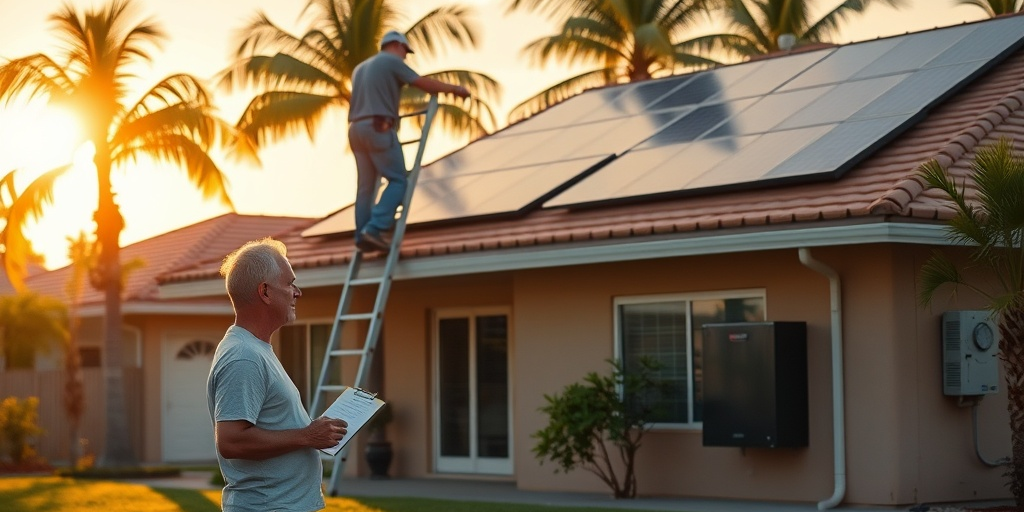
As homeowners across Florida are grappling with rising energy costs and uncertainty around energy security, the lure of solar power becomes increasingly difficult to resist. Did you know that, according to the Solar Energy Industries Association (SEIA), Florida ranks third in the nation for total solar capacity? With more than 24,000 solar installations contributing to a cleaner, more affordable energy future, it’s imperative for homeowners in the Sunshine State to understand how to unlock their potential savings. This is your “Beginner’s Guide to Understanding Solar Incentives by State”—a comprehensive resource you’ll want to dive into as you explore how to maximize your benefits and choose wisely in the exciting landscape of solar energy in 2025. The urgency to act is amplified by new state incentives, the upcoming expiration of certain federal tax benefits, and a corporate commitment to renewable energy that continues to grow. This post will dissect everything from available incentives to the intricacies of solar installation and financing. Here’s what you can expect: 1) Insightful case studies on how local homeowners have benefited from solar, 2) An actionable checklist for getting started, 3) Common myths debunked so you can make informed decisions, 4) Florida’s unique solar landscape and what it means for you, and 5) Technical specifics on the technology and policies guiding solar initiatives. Get ready to embark on your solar journey!
Solar Incentives: How Florida Homeowners Are Thriving
Let’s dive into a rich narrative about how one Florida homeowner transformed their relationship with energy by transitioning to solar power. Meet Laura, a dedicated mother living in Orange County. Facing an ever-increasing electric bill that drained her family’s budget, Laura decided to explore alternatives. After conducting research and consulting with a local solar provider, she learned about the benefits of solar incentives available in her area. By choosing solar panels, she not only cut her electricity costs by over 60%, but she also increased her home’s equity. According to a report by the National Renewable Energy Laboratory (NREL), homes with solar installations sell for about 4% more than those without—great news for future-thinking homeowners.
On top of the financial benefits, Laura also received a 26% federal solar tax credit (for installations completed in 2021 and 2022), allowing her to reclaim a significant portion of her investment come tax season. It’s these stories that highlight the importance of understanding available solar incentives—especially for Florida homeowners, where the sunny weather makes solar a practical choice. When combined with net metering laws that allow homeowners to send excess energy back to the grid for credit, the benefits of going solar are numerous. Here’s a checklist to help you navigate the excitement:
- Step 1: Evaluate Your Energy Needs
- Step 2: Research Local Solar Incentives
- Step 3: Consult with a Solar Provider
- Step 4: Understand Financing Options
- Step 5: Complete the Installation Process
Transitioning to solar power is not without its pitfalls, and misinformation can lead to costly mistakes. It’s vital to debunk prevalent myths surrounding solar energy:
- Myth #1: Solar panels aren’t effective in cloudy weather.
Fact: Solar panels can still generate electricity during overcast conditions, albeit at reduced efficiency, which varies by technology and installation. - Myth #2: Solar power is too expensive for the average homeowner.
Fact: With incentives, financing options, and the declining price of solar technology, most homeowners can afford to invest in solar. - Myth #3: You need a south-facing roof to install solar panels.
Fact: While south-facing roofs are optimal, east and west-facing roofs can also effectively harness solar energy.
Florida’s specific environment also plays a critical role in enhancing the viability of solar. With an average of 237 sunny days each year, Florida homeowners can enjoy an optimal setup for solar energy production. Now that you’re familiar with these insights, let’s transition to understanding the technical aspects involved in the solar installation process.
Understanding Solar Technology and Policy
When diving into the realm of solar energy, it’s essential to differentiate the various components that make up a solar panel system. Understanding inverters, battery storage solutions, and the intricacies of solar panel efficiency can provide you with the knowledge to make sound decisions regarding your solar investment.
- Solar Panels: Convert sunlight into electricity. Technologies like monocrystalline and polycrystalline each have unique efficiency and cost metrics.
- Inverters: DC energy produced by solar panels is converted to AC energy used by your home. String inverters are the most common, while micro-inverters and power optimizers can provide enhanced efficiency.
- Battery Storage: Allows you to store excess energy generated during the day to be used at night or during power outages. Backup systems can be invaluable, especially in hurricane-prone Florida.
Current policy in Florida heavily favors solar adoption. The net metering policy allows homeowners to receive credits for the surplus electricity they produce. However, it is crucial to remain informed about legislative changes that may affect these policies. For instance, proposed adjustments to net metering regulations might influence the credit rate you receive for excess solar energy fed back into the grid. Staying attuned to policy changes can have a significant effect on your savings.
As our story with Laura illustrates, understanding these components and adapting to the local regulatory environment can dramatically impact your solar decision-making. Homeowners must remain proactive when evaluating their solar options for maximum benefit.
5 Expert Solar Installation Tips for 2025
Making the choice to go solar is an exciting leap into sustainable energy. As you embark on this path, here are five expert tips to ensure you get the most from your solar investment:
- Do Your Research: Invest time in understanding the unique local offerings and incentives available in Florida, including utility-specific rebates.
- Choose Quality Equipment: Prioritize high-efficiency products backed by warranties, as they ensure durability and reliability over time.
- Consider Installation Positioning: Don’t skimp on panel placement, as an optimal angle can significantly affect your energy output.
- Explore Financing Options: With a variety of options—from leases to power purchase agreements—ensure you select the most financially viable choice for your situation.
- Maintain Your System: Schedule regular check-ups to ensure your solar panels are clean and functioning optimally.
According to a survey by SolarReviews, homes with solar installations typically see a 20% decrease in energy costs, demonstrating why these tips must be followed diligently for maximum effect. Additionally, connect with a trusted partner for insights on how to capitalize on these tips through your solar journey. It can make all the difference!
Next Steps for Florida Solar Buyers in 2025
To wrap up your educational journey, let’s set you up with the next steps to seamlessly transition to solar energy and become a proactive solar homeowner in 2025. Below is your action plan:
- Step 1: Audit Your Electric Bill: Start by analyzing your current energy costs over the past year. This data will help you understand how much you may potentially save with solar.
- Step 2: Research Local Incentives: Investigate both federal and state incentives, including the federal solar tax credit, and state-specific rebates to maximize savings.
- Step 3: Contact a Solar Provider: Discuss your energy needs and gather quotes from reputable contractors to ensure competitive pricing.
- Step 4: Evaluate Financing: Understand your options, whether cash purchase, loan, lease, or Power Purchase Agreements (PPAs). Each has unique benefits that might suit your financial strategy.
- Step 5: Schedule Installation: Coordinate the installation process with your chosen provider, ensuring that the system is installed to meet both performance and compliance standards.
Moving forward with this actionable checklist will not only reduce anxiety but also bring you one step closer to energy self-sufficiency. Visit floridaelectricandsolar.com to connect with certified professionals who can assist you in each step of your solar energy journey.
Your Solar Future Awaits
In conclusion, understanding solar incentives, policy changes, and the technology itself can empower you as a Florida homeowner in 2025. Laura’s story is just one compelling case among many; individuals just like you are taking control of their energy futures and reaping the rewards. The urgency is palpable; as energy costs soar and potential tax credits approach expiration, the time to act is now. Every solar panel installed contributes to a more sustainable environment and a robust financial strategy for you and your family.
Ready to start your solar journey in 2025? Connect with a certified expert at floridaelectricandsolar.com today.
Related Articles
More insights about Solar Incentives

Are Solar Panels Worth It in Florida? (2026 Guide)

How Can Solar Incentives by State Benefit Florida Homeowners

10 Essential Solar Incentives Every Florida Homeowner Should Know
Ready to Go Solar?
Have questions about solar energy? Our experts are here to help you make the switch to clean, renewable energy.