
Beginner’s Guide to Understanding Off-Grid Solar Systems
Share:
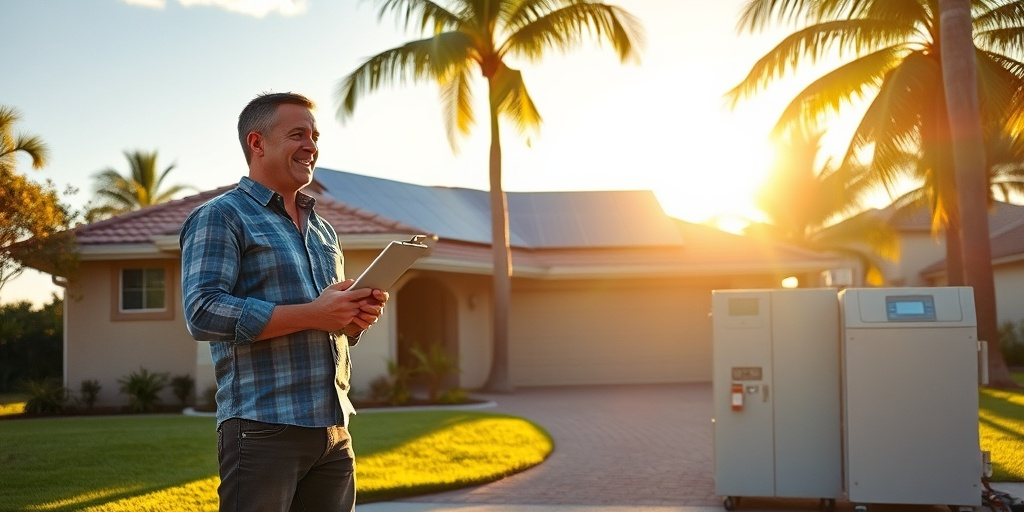
Imagine waking up every morning, knowing that the sun is powering your home, saving you money, and contributing to a sustainable future. In the ever-evolving world of renewable energy, off-grid solar systems are becoming an increasingly popular choice for many Florida homeowners and commercial property owners. In fact, according to the Solar Energy Industries Association (SEIA), the U.S. solar market has grown by over 167% in the last decade, with Florida ranking second in the nation for solar capacity as of 2023. This evolution brings us to the “Beginner’s Guide to Understanding Off-Grid Solar Systems,” where we will unravel the complexities of harnessing solar energy and explore why this topic matters urgently in 2025. Rising energy costs, the ongoing push towards renewable sources, and the instability of conventional power grids make off-grid solar a timely consideration for Floridians this year and beyond. In the following sections, we’ll delve deeper into how off-grid systems work, analyze the benefits and challenges, bust some common myths, provide actionable steps for interested buyers, and share an inspiring case study from a Florida homeowner on their solar journey. Let’s begin our exploration!
Understanding Off-Grid Solar Systems
Off-grid solar systems offer an unmatched sense of independence and sustainability. Take, for instance, the story of the Johnson family, who sought more control over their energy bills after experiencing a 30% rise in their electricity costs in just two years. They decided to invest in an off-grid solar system for their Lake City home in Florida. Over time, they discovered not only were they able to produce their own electricity, but they were also generating a surplus that could be fed back into the grid or utilized in times of need. By using a combination of solar panels, battery storage, and inverters, the Johnsons transformed their home into a self-sufficient energy hub.
- Step 1: Evaluate your energy needs – Understand how much power your household consumes monthly.
- Step 2: Assess your location – Your geographical spot impacts your solar viability and system size.
- Step 3: Select compatible components – Choose panels, batteries, and inverters that synergize.
- Step 4: Estimated setup costs – Get a clear quote factoring materials and installation.
- Step 5: Confirm local regulations – Research any permits you might need for installation.
But with growing interest often comes misunderstanding. Let’s tackle five pervasive myths regarding off-grid solar systems:
- Myth #1: Off-grid systems are not efficient.
This is far from the truth. Off-grid systems can be incredibly efficient when designed correctly and tailored to your specific energy needs.
- Myth #2: It’s too expensive to go off-grid.
While upfront costs can be substantial, many homeowners discover a return on investment through reduced energy bills and incentives available to Florida residents.
- Myth #3: You can’t run high-energy appliances with off-grid systems.
With appropriate battery size and solar panel capacity, most modern appliances can be operated without difficulty.
- Myth #4: Solar isn’t reliable.
Many systems are equipped with backup generators, providing peace of mind during cloudy days.
- Myth #5: Maintenance is a headache.
Off-grid solar systems require little maintenance; regular checks and occasional dusting of panels are often all that’s needed.
So why is it vital for Florida homeowners to consider off-grid systems right now? For one, the state has enacted several policies promoting renewable energy, such as the Federal Investment Tax Credit, which allows homeowners to deduct 26% of the cost of installing a solar system from their federal taxes. This incentive wouldn’t exist without the urgency for renewable energy advancements to fight climate change and encourage local economic growth (DSIREUSA.org). Transitioning to solar could save you thousands on energy costs, enhance property value, and allow you to be part of a global solution to energy sustainability.
This technological expansion is grounded in fundamental components: solar panels, batteries, inverters, and the grid, each playing vital roles in the overall efficiency of your home’s electricity. Understanding these components is essential for maximizing your investment and ensuring durability. Ultimately, transitioning from conventional energy sources to off-grid systems is not just a choice; it’s a smart move towards energy independence and financial savings.
Why Do You Need an Off-Grid Solar System?
Many homeowners may wonder about the tangible benefits of switching to an off-grid solar system. The truth is, it goes beyond mere savings on electricity bills. Off-grid solar systems present numerous advantages that can appeal to both pragmatic and eco-conscious individuals. Here are some compelling reasons to consider:
- Independence: Eliminate dependency on utility companies while gaining control over energy production.
- Cost savings: Though upfront costs exist, savings accumulate over time, especially with rising electricity costs.
- Environmental impact: Reduce your carbon footprint by embracing renewable energy. This choice demonstrates commitment to sustainability.
- Energy resiliency: Having an off-grid system means you are less vulnerable to power outages and rising utility rates.
- Increased property value: Homes equipped with solar panels often see enhanced market value.
In 2025, expect more Florida homeowners to transition to off-grid systems as energy efficiency becomes paramount. Not for lack of choice—utility costs in Florida have incrementally increased by nearly 20% in the past decade (SolarReviews.com). If you are considering entering this arena, begin by assessing your individual energy needs.
To make informed decisions, Florida residents should also analyze local and state incentives, such as the Property Assessed Clean Energy (PACE) program, which can help cover upfront costs via low-interest financing. Additionally, Florida boasts more than 200 sunny days a year, making it an ideal landscape for solar power generation. Just think about the staggering possibilities of harnessing all this potential energy. For a more thorough understanding and to start your transition, visit floridaelectricandsolar.com for tailored assessments and consultations.
5 Expert Tips for Tailoring Your Off-Grid System Installation in 2025
Investing in an off-grid solar system in 2025 will not only enhance your energy independence but will ensure a sustainable future for generations to come. However, the installation process is critical and should not be overlooked. Here are five expert tips to facilitate a successful and efficient installation:
- Optimize panel placement: Evaluate the orientation and angle of the panels for maximum sun exposure. Southern-facing roofs tend to collect more sunlight during peak hours.
- Choose the right battery technology: Various options, like lithium-ion or lead-acid, offer different efficiencies. Research each to select what best aligns with your energy output requirements.
- Plan for future needs: Consider not only your current energy needs but also potential future increases in consumption when sizing your solar system.
- Engage experienced installers: Work with certified professionals to ensure quality installation, compliance with local codes, and warranties.
- Keep up with maintenance: Regularly clean panels, check batteries, and monitor energy performance to maximize longevity.
Remarkably, recent studies indicate that well-installed solar panels can yield returns above 20% annually over their lifetime (NREL.gov). This emphasizes the need for diligence in planning and installation phases. Each of these tips can contribute significantly to maximizing performance and returns while reinforcing sustainability.
As you engage with these strategies, understand that each element works in tandem; your solar system must be as efficient and synergistic as possible. For further guidance on installations tailored for your property, reach out for expert consultations through floridaelectricandsolar.com.
A Florida Homeowner’s Solar Journey
Consider the story of Ellen, a homeowner in Gainesville, who made it her mission to pivot to clean energy. Following years of fluctuating energy bills, she decided to investigate off-grid solar systems in 2024. Ellen conducted thorough research while visiting neighbor homes that had adopted solar. She discovered the true power of utilizing Florida’s abundant sunshine.
- Understanding her energy consumption: Ellen started by analyzing her electrical usage history to determine her energy demands accurately.
- Budgeting: She calculated potential costs, including installation, permits, and equipment. Ellen aimed to break even on her investment within five years.
- Installation process: Partnering with local professionals who guided her in selecting the right solar panels and batteries, she received personal service and insight.
- Community feedback: Ellen engaged with local solar enthusiasts and received real reviews of her chosen system.
Ellen’s diligence paid off; as of 2025, she generates approximately 90% of her power needs from her solar system, with nearly all of her energy fees eliminated!
Throughout her journey, she noted how her achievement inspired her neighbors to consider solar, signaling a pioneering spirit in the local community—a ripple effect leading to broader acceptance of renewable energy solutions. Ellen’s experience exemplifies that transitioning to off-grid solar is not merely a financial decision, but rather a commitment to preserving future resources and navigating a sustainable lifestyle.
Next Steps for Florida Solar Buyers in 2025
Now that you’ve absorbed valuable insights about off-grid solar systems, here are the next actionable steps for aspiring solar buyers in Florida looking to jump on the solar bandwagon in 2025:
- Step 1: Perform an energy audit: Gather past electricity bills to analyze your consumption over time and identify peak usage hours.
- Step 2: Research options: Explore available technologies for solar panels, inverters, batteries, and ensure it aligns with local and state policies.
- Step 3: Compute your budget: Make an itemized list of potential expenditures and available tax incentives, considerably reducing out-of-pocket expenses.
- Step 4: Hire certified installers: Seek out professionals who understand not only installation but also Florida regulations and best practices.
- Step 5: Stay informed: Maintain awareness of any changes in solar policies, incentives, or technologies available to make the most informed decisions.
Florida homeowners have untapped opportunities in the realm of solar energy, making 2025 the perfect year to initiate these conversations. Take the time to research and prepare before embarking on this new, sustainable energy chapter.
Ready to start your solar journey in 2025? Connect with a certified expert at floridaelectricandsolar.com today.
Related Articles
More insights about Off-Grid Solar

Myth-Buster: Off-Grid Solar Systems Are Not Always Unaffordable

What You Need to Know About Off-Grid Solar Systems

How One Florida Business Reduced Costs with Off-Grid Solar Systems
Ready to Go Solar?
Have questions about solar energy? Our experts are here to help you make the switch to clean, renewable energy.