
Beginner’s Guide to Understanding Off-Grid Solar Systems in Florida
Share:
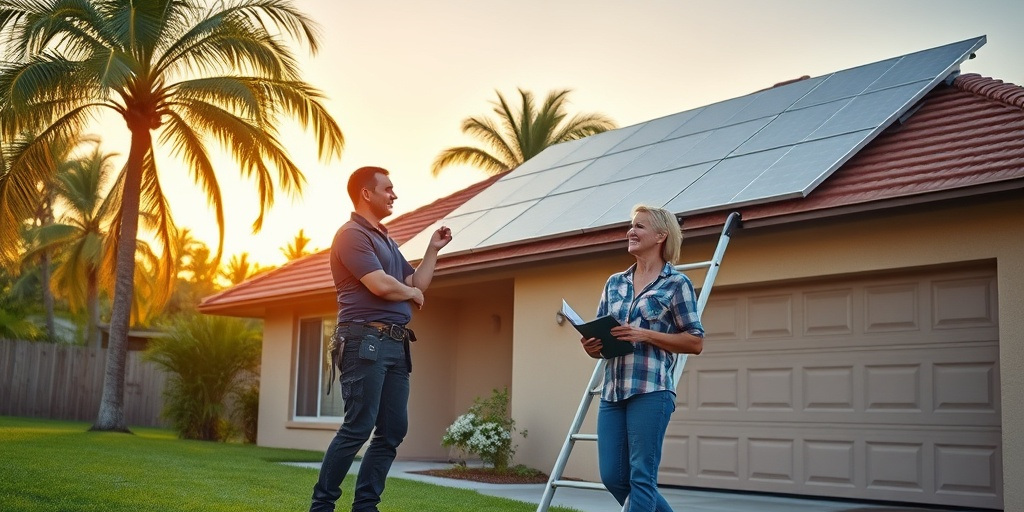
As a Floridian homeowner, have you ever wondered how you might escape the rising tides of electric bills while simultaneously embracing a sustainable lifestyle? You’re not alone. In fact, with the average Florida electricity rate sitting at about $0.13 per kilowatt-hour (kWh), many families are searching for alternatives to stave off increasing costs (Energy.gov). Now, imagine a world where you generate your own electricity—free from the constraints of the grid. This is precisely the power of off-grid solar systems, and it’s the subject of our comprehensive article, “Beginner’s Guide to Understanding Off-Grid Solar Systems in Florida.” As we step into 2025, these systems not only promise energy independence but also align with Florida’s ambitious goal to have solar power account for 30% of its energy generation. Amid growing concerns over climate change, rising energy costs, and intermittent grid reliability, the adoption of off-grid solar solutions is both timely and urgent.
In the following sections, we’ll delve into vital topics that will shape your understanding and journey into off-grid solar energy, including:
- A deep dive into how off-grid solar systems work and their practical applications.
- A straightforward checklist that outlines essential steps for successful installation.
- A myth-busting segment that will clarify common misconceptions surrounding off-grid systems.
- A focused discussion on Florida-specific regulations and incentives that can help you save.
- A technical exploration of the equipment and technology that comprise effective off-grid systems.
Whether you are contemplating off-grid solar to minimize your carbon footprint or save money, this guide is your definitive resource.
Understanding Off-Grid Solar Systems: The Basics and Benefits
Imagine living in a home where your energy needs are seamlessly met by the sun itself, where solar panels convert sunlight into clean electricity that powers your daily life. This dream isn’t just a fantasy—it can become your reality with an off-grid solar system. In this section, we’ll navigate the essentials of off-grid solar systems, uncover a captivating case study, debunk myths, provide expensive insight into Florida’s unique landscape, and conduct a technical analysis of the hardware required for success.
Case Study: The Smith Family’s Transition to Off-Grid Living
Meet the Smiths, a family of four living in the sunny suburbs of Orlando, Florida. With rising energy costs and an increasing desire for sustainability, they decided to transition to an off-grid solar system in 2023. By utilizing a combination of top-quality solar panels, lithium-ion batteries, and smart inverters, they were able to minimize their dependency on traditional energy sources completely. This change allowed the Smiths to cut their annual electric bill by 100% and increase their home’s value by an estimated 20%—a remarkable investment return. Their journey exemplifies the potential for families in Florida to take control of their energy future while saving money in the process.
Your Off-Grid Checklist: Steps to Success
Ready to embark on your solar journey? Follow this streamlined checklist to ensure a successful installation:
- Step 1: Determine Your Energy Needs – Calculate your average daily energy consumption to understand what system capacity you require.
- Step 2: Explore Solar Options – Choose between different types of solar panels and battery systems suitable for off-grid setups.
- Step 3: Research Local Incentives – Familiarize yourself with Florida state and local solar incentives that can alleviate upfront costs (FloridaElectricandSolar.com).
- Step 4: Choose a Skilled Installer – Vet and select a qualified local contractor who specializes in off-grid solar systems.
- Step 5: Monitor Your System – Regularly review your energy output and battery levels to ensure optimal performance.
Myth-Busting: Debunking Common Misconceptions
- Myth #1: Off-Grid Solar Systems Are Too Expensive – While upfront costs can be significant, the long-term savings typically compensate for the initial investment, especially with Florida tax credits that can cover up to 26% of the installation (SEIA.org).
- Myth #2: You Can’t Use Electricity During Zero Sunlight Hours – By incorporating battery storage solutions, you can accumulate energy during sunny periods for use at night or on cloudy days.
- Myth #3: Off-Grid Solar Is Only for Remote Locations – Many urban homeowners are finding success with off-grid solar systems as a way to reclaim energy independence from utility companies.
- Myth #4: All Solar Panels Are Created Equal – There are differences in panel efficiency and lifespan. Premium panels offer better performance and warranty protection, making them a smart investment.
- Myth #5: Maintenance Is a Hassle – Off-grid solar systems require minimal maintenance; regular inspections and cleaning are typically enough to keep them running smoothly.
Florida-Specific Facts and Policies
Florida’s climate is particularly conducive to solar energy, boasting over 260 sunny days annually. The Sunshine State offers exceptional incentives like the Property Tax Exemption for renewable energy installations, meaning the added value from solar panels will not increase your property taxes. Furthermore, in 2022, Florida ranked third in the nation for state-wise installed solar capacity with a staggering 4,771 MW (SolarEnergy.org). These facts demonstrate Florida’s robust support for solar initiatives, paving the way for homeowners to empathetically adopt off-grid solar solutions.
The Technology Behind Off-Grid Systems
To build a successful off-grid solar setup, understanding its components is crucial. Commonly, off-grid systems consist of:
- Solar Panels: These are the cornerstone of your energy source, converting sunlight into electricity.
- Batteries: Battery storage systems are vital for storing excess energy generated during sunny days for use at night.
- Inverters: Solar inverters convert the generated direct current (DC) into usable alternating current (AC) for home appliances.
In addition to these primary components, consider investing in smart monitoring tech that helps you track energy generation and consumption effectively. By investing in robust technology, you ensure a sustainable energy future.
Understanding the Financial Incentives for Off-Grid Systems in Florida
Unlocking financial savings is crucial for many homeowners considering off-grid solar systems. Florida’s robust solar landscape offers a range of incentives designed to facilitate solar adoption that can dramatically reduce costs. Understanding these will not only help you save money but also plan effectively for long-term investment.
- Federal Tax Credit: As of 2025, the federal solar investment tax credit (ITC) allows homeowners to deduct 26% of the installation costs when filing taxes, significantly minimizing upfront costs.
- Florida’s Solar Property Tax Exemption: Any added value from the installation of solar panels does not increase property taxes, thereby making solar more profitable in the long term.
- Net Metering Programs: While primarily for grid-connected systems, some areas may offer credits for excess energy sent back to the grid, creating potential savings.
Familiarizing yourself with these incentives can create a tangible path to energy independence while easing the financial burden of solar adoption.
5 Expert Solar Installation Tips for 2025
As solar technology evolves, so do the best practices for installation. Here are five expert tips you should consider to optimize your off-grid solar setup:
- Choose the Right Location: Select an unobstructed area for panel installation. Ideally, this should face south to maximize sun exposure.
- Consider Optimal Tilt Angles: Adjust angles based on your geographic latitude to capture the most sunlight throughout the year.
- Don’t Cut Corners on Quality: Invest in high-quality solar panels and components. Reliability and longevity are essential.
- Engage Professionals: Seek out experienced installers who specialize in off-grid systems to ensure craftsmanship and compliance with regulations.
- Monitor Your Output: Utilize smart technology to keep track of your energy generation and consumption for optimal performance.
Staying informed about these best practices can enhance your solar experience and smooth your transition into a sustainable lifestyle.
The Solar Journey of a Florida Homeowner: Jane’s Experience
Jane Johnson felt a deep calling to make a difference in her community, which prompted her to explore off-grid solar energy for her St. Petersburg home. After analyzing her energy needs and understanding local incentives, she transitioned to solar in 2025, ultimately achieving energy independence while contributing to local sustainability efforts.
Here’s how Jane navigated her journey:
- Step 1: Research and Education – Jane spent time learning about solar technology, financing options, and the environmental benefits.
- Step 2: Engage Local Installers – She compared local companies to find the most reputable solar installers with experience in off-grid systems.
- Step 3: Financial Planning – Utilizing federal and state incentives, Jane effectively reduced her overall bill by approximately 30%.
- Step 4: Installation Day – Jane remembers feeling empowered as she watched her dream transition to reality during the installation process.
As her system became operational, she reveled in the joy of using clean energy, allowing her to cut her overall electric costs significantly and gifting her peace of mind. Just this past summer, Jane expressed how proud she is of her choice to adopt off-grid solar—knowing it not only benefits her home but also her community and the environment. Her story serves as an inspiration for others considering a shift toward a sustainable energy future!
Next Steps for Florida Solar Buyers in 2025
With a new understanding of the benefits and functionality of off-grid systems, it’s time to take action. Here’s a clear roadmap to guide you toward joining the solar revolution:
- Step 1: Audit Your Electric Bill – Start by reviewing your energy consumption patterns. Understand your monthly costs and identify peak usage times.
- Step 2: Research Off-Grid Solutions – Explore different technologies, including panels, batteries, and inverters. Know what enhancements you may need for optimal efficiency.
- Step 3: Take Advantage of Incentives – Investigate applicable local, state, and federal incentives and calculate how they can benefit your investment.
- Step 4: Consult with Experts – Connect with our team at floridaelectricandsolar.com for personalized assessments.
- Step 5: Plan for Maintenance – Incorporate a regular maintenance schedule to ensure your solar system continues to perform at peak efficiency.
In Conclusion: Your Path Toward Energy Independence
Embarking on the off-grid solar journey represents not only a significant personal investment but also a commitment to making a meaningful difference for our planet and community. The insights shared in this guide, including personalized stories, practical checklists, and technical advice, aim to equip you with the knowledge needed to navigate this transformative process with confidence.
The urgency of switching to off-grid solar systems is palpable, given fluctuating energy prices and climate challenges that threaten sustainability. It’s a future where you reclaim your power—with the ability to generate clean energy, cut costs, and contribute to environmental health while securing a better tomorrow for your family.
Are you ready to start your solar journey in 2025? Connect with a certified expert at floridaelectricandsolar.com today.
Related Articles
More insights about Off-Grid Solar

Myth-Buster: Off-Grid Solar Systems Are Not Always Unaffordable

What You Need to Know About Off-Grid Solar Systems

How One Florida Business Reduced Costs with Off-Grid Solar Systems
Ready to Go Solar?
Have questions about solar energy? Our experts are here to help you make the switch to clean, renewable energy.