
Case Study: How One Family Achieved Energy Independence with Solar
Share:
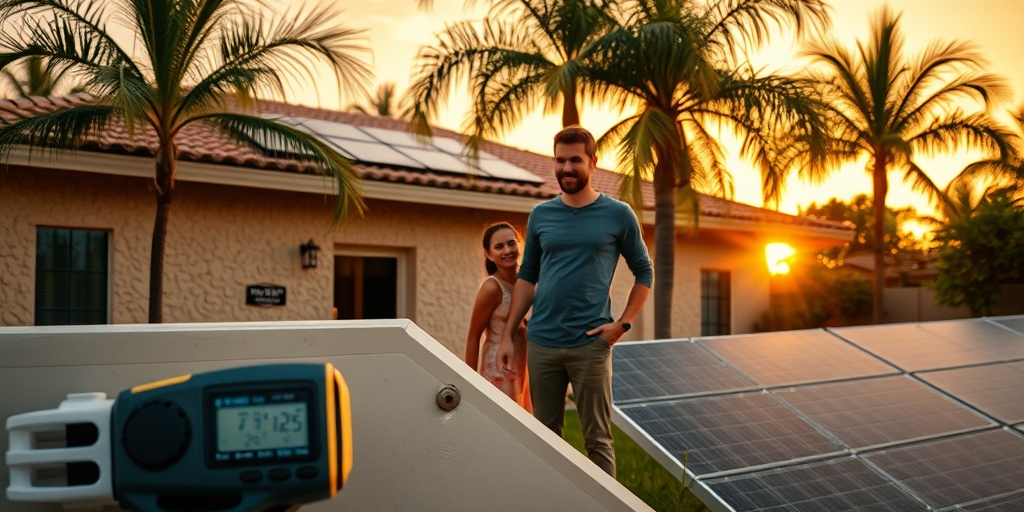
In 2022, a startling 39% of Florida’s energy needs were met by natural gas, while solar accounted for only 1.7% of the state’s total electricity generation. This dichotomy points to a big opportunity for homeowners. As energy costs continue to soar, a growing number of Floridians are asking themselves an important question: “Can I take control of my energy usage and save money with solar?” In our enlightening blog post titled Case Study: How One Family Achieved Energy Independence with Solar, we delve deep into the transformational journey of one family who embraced solar energy and achieved energy independence to not only cut down their costs but also contribute to a sustainable future. With the rise of grid instability and the new solar incentives available in 2025, there has never been a better time to explore how solar power can benefit your home or business. This article will take you through an easy-to-understand narrative of their journey, practical action steps, myth-busting clarifications, technical insights, and essential next steps to help you embark on your own solar adventure.
From Skepticism to Solar: The Jones Family’s Journey
Meet the Jones family, an average household living in Orlando, Florida. Like many families in the Sunshine State, they were burdened by ever-increasing electricity costs and an aging grid that seemed to be more unstable with each passing season. In 2023, they received their highest electric bill yet—$350 for the month—and knew they had to make a change.
Initially, Lisa and Mark Jones were skeptical about solar energy. They had heard myths about solar panels requiring too much maintenance, how they’d never recoup the costs, and the idea that Florida’s weather wasn’t reliable. However, after extensive research and talking with neighbors who had switched to solar, they decided to explore the possibility seriously.
Throughout their research, they stumbled across important facts: a typical Florida homeowner could save between $9,000 to $15,000 over 20 years by making the switch (SEIA.org). Moreover, Florida ranks as the third-largest solar market in the U.S., making it a prime candidate for solar adoption (Energy.gov). Armed with this knowledge, they felt empowered to take action.
After various consultations with Florida Electric & Solar, the Jones family decided to move forward with the installation process. They were determined to not only cut their costs but also maximize their home’s value through energy independence.
Their journey can be broken down into five pivotal sections, which we will explore fully in this case study: the initial fears and considerations, the solar installation process, financial analysis and savings, real-life testimonials of daily solar use, and the overarching impact on their lives.
The Journey Begins: Addressing Concerns and Making the Leap
The initial fears Lisa and Mark faced revolved around the misconceptions surrounding solar power. They had heard conflicting information about whether solar panels work on rainy days, maintenance requirements, and concerns over aesthetics. Spoiler alert: It turns out that many of these worries were myths. Here’s a breakdown of their concerns, the facts, and ultimately how they found the courage to proceed.
- Myth #1: Solar panels don’t work in the rain. Contrary to popular belief, solar panels are quite efficient in overcast conditions, producing energy even during rainy days, as this Florida family learned (NREL.gov).
- Myth #2: Solar installations are too expensive. While the upfront costs can seem daunting, Lisa and Mark discovered that federal tax credits and local incentives significantly lessen the financial burden, paying off within a few years.
- Myth #3: Solar systems are high-maintenance. Solar panels require minimal maintenance, needing occasional cleaning and periodic checks, debunking the belief that they are labor-intensive.
- Myth #4: Solar ruins the roof’s appearance. Many homeowners find that well-installed solar panels actually enhance their home’s value, as Lisa and Mark were told by their solar consultant.
- Myth #5: You can’t sell a home with a solar system. On the contrary, homes equipped with solar systems often sell faster and at higher prices, making them a worthy investment.
Having addressed their initial myths, the Jones family felt confident moving forward. They sensed that solar would enable them to own their power and take control of their energy destiny.
Next came the discussions with solar installers. The couple prioritized companies that had been reputable in the Florida market. They reached out to several providers, ultimately connecting with Florida Electric & Solar for their professionalism and local expertise.
Expert Consultation: Understanding Installation and Costs
The installation journey for the Jones family began with an expert consultation. Mark expressed their desire for a solar system that met their energy needs while being cost-effective. During this meeting, they learned about the types of solar panels available, battery storage options, inverters, and how it all tied into their existing infrastructure.
To make it relatable, let’s break down the key components of a successful solar installation:
- Solar Panels: High-efficiency panels suitable for Florida’s sunny climate help maximize energy generation.
- Inverter: Converts solar energy into usable electricity. Choosing the right inverter affects efficiency and service life.
- Battery Storage: Storing excess energy can be a game changer, particularly in times of grid instability. It was a crucial decision for the Jones family.
- Net Metering: Ensures that any excess energy produced runs back into the grid, allowing homeowners to receive credits for future electricity use.
The financial consultation revealed significant potential savings. By calculating the average monthly bill, leveraging state incentives, and estimating depreciation, they learned that they could significantly lower their electric expenses both in the short and long-term. In fact, switching to solar would lead to an estimated savings of $13,500 over two decades, a staggering figure that shaped their decision.
With the finances aligned, installation was next. It took just over a month from the initial consultation to install the solar system fully. After attending to minor details, Lisa and Mark were thrilled to see their rooftop adorned with sleek solar panels, ready to absorb Florida’s abundant sunlight.
Living with Solar: Daily Impacts and Savings
Fast forward six months. Lisa recalls how the family has transformed their energy routine. They not only approach energy use differently but also share these developments proudly with friends and neighbors. Their savings were too great to keep to themselves!
Post-installation, their electric bills dropped dramatically, even leading some months to $0 due to their net metering credits. The solar energy produced served as a buffer against incoming utility rate hikes. Hence, they felt empowered and excited to be part of Florida’s solar revolution.
Here are some of the impacts they observed:
- Energy Independence: The family’s dependence on the grid decreased significantly, leading them to embrace a greater sense of control over their energy choices.
- Increased Home Value: Lisa and Mark saw a rise in their property value—solar installations tend to increase a home’s marketability by up to 4.1%, which the family was thrilled to learn.
- Community Engagement: They began participating in community solar talks, advocating for solar adoption and sharing their experiences to inspire others.
This case study of the Jones family highlights how adopting solar energy is not just an economic transaction but an emotional journey towards empowerment and sustainability.
Best Practices for Going Solar in Florida in 2025
As the Jones family experienced firsthand, transitioning to solar is more than just installing panels; it’s a holistic approach to energy management. Based on their journey and industry knowledge, here are several best practices that other homeowners in Florida can utilize when considering their solar installation for 2025.
- Consult Multiple Providers: Always engage with several solar companies to compare prices, services, and customer reviews. Don’t settle for the first offer.
- Evaluate Financial Options: Be sure to check for adding state incentives and federal tax credits that can greatly reduce your upfront costs.
- Understand Your Energy Needs: Conduct an energy audit to know exactly how much energy you consume, allowing for an appropriate system size.
- Consider Battery Storage: Including a battery storage solution can provide backup power in outages while maximizing your savings.
- Utilize Net Metering: Be well-informed of local utility net metering policies to ensure you’re capturing all possible savings for excess energy produced.
By adhering to these practices, Florida homeowners can maximize the advantages of solar energy and pave the way for long-term savings.
Next Steps for Florida Solar Buyers in 2025
If you’re ready to embark on your solar journey, follow this straightforward, actionable checklist designed for Florida homeowners:
- Audit Your Electric Bill: Start by reviewing your past energy bills. Understanding your energy consumption will help inform your solar system design.
- Research Local Incentives: Investigate any and all state and local benefits available for solar installations specific to Florida. These can significantly offset costs.
- Consult an Expert: Reach out to professional solar companies like Florida Electric & Solar for a personalized consultation.
- Choose Your Solar System: Work with your consultant to design a solar system tailored to your energy needs, budget, and physical space, which includes panel placement and battery options.
- Installation and Activation: Prepare for the installation process, coordinate with your installer, and finally, activate your new solar system!
Conclusion: Your Solar Future Awaits
The journey the Jones family took towards achieving energy independence with solar energy illustrates just how transformative adopting solar power can be. Their fears transformed into confidence, their skepticism changed into understanding, and ultimately, solar energy brought them security and savings. As energy prices rise and climate concerns intensify, there has never been a more pertinent moment for Floridians to consider switching to solar in 2025.
The benefits extend beyond financial savings. Solar power not only enhances home value but also allows families to contribute to a cleaner, more sustainable future. The stories of families like the Joneses serve as inspiration, reminding us that solar power isn’t merely a trend—it’s a smart investment that protects both our finances and the environment.
Ready to start your solar journey in 2025? Connect with a certified expert at floridaelectricandsolar.com today.
Related Articles
More insights about Solar

What Are the Key Benefits of Solar for Commercial Properties?

Why Gulf Coast Residents Should Explore Solar for Commercial Properties

Why Gulf Coast Residents Should Consider Solar for Commercial Properties
Ready to Go Solar?
Have questions about solar energy? Our experts are here to help you make the switch to clean, renewable energy.