
Case Study: How One Florida Family Achieved Energy Independence with Solar
Share:
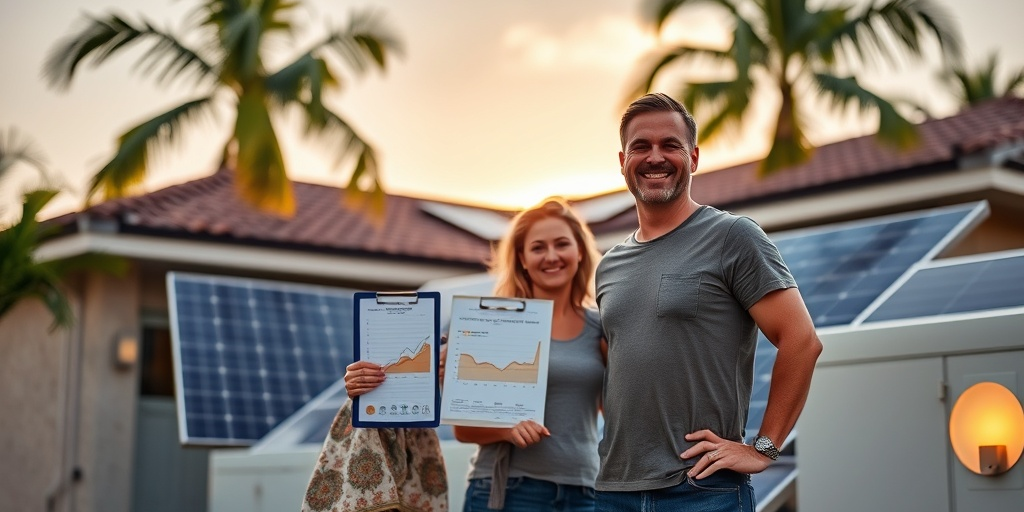
In an era where energy independence is becoming increasingly crucial for Florida homeowners, the choice to go solar is not just a trend; it’s a transformative step toward a more sustainable future. Imagine reducing your monthly energy bills, safeguarding your family against rising energy costs, and contributing positively to the environment—all through a single decision. Welcome to our detailed exploration in this article titled Case Study: How One Florida Family Achieved Energy Independence with Solar.
As of 2023, solar energy adoption has surged, with Florida now ranking in the top three states for solar capacity, thanks in part to a remarkable 56% increase in residential solar installations over the past five years (SEIA.org). Additionally, a staggering 83% of Floridians believe solar energy is reliable and essential to the state’s future (SolarReviews.com). These statistics underline the urgent need for energy independence in 2025 and beyond, as homeowners face escalating utility costs and an uncertain energy grid. In this context, we’ll delve into the inspiring journey of a Florida family who successfully integrated solar power into their home and transformed their energy landscape.
This case study will be divided into five sections, aiming to educate, inspire, and equip you with actionable insights. First, we’ll explore the compelling story of a family’s switch to solar, tracing their journey to energy independence. Next, we’ll present a checklist for those considering solar installation in 2025, debunk common myths associated with solar power, and highlight important local factors impacting Florida homeowners. Finally, we’ll conduct a technical deep dive into the mechanics of solar energy systems to better understand how they can work for you. Prepare to discover the transformative benefits of solar energy and how you, too, can join the revolution!
Understanding the Journey to Energy Independence
Meet the Johnson family from Orlando, Florida—a family of four whose story exemplifies the transformative power of solar energy. Facing rising energy bills that seemed to climb higher each summer, they became increasingly frustrated with their dependence on conventional electric utilities. After exhaustive research and conversations with local solar experts, they decided to take the plunge into solar energy. Their decision was motivated not only by financial considerations but also by a desire for sustainability and energy independence.
The Johnsons began their journey by calculating their estimated monthly electricity usage. They discovered that their energy bills averaged around $200 per month, largely due to their air conditioning and pool pumps. As a result, they sought out Florida Electric & Solar, a trusted provider known for its expertise in solar energy solutions tailored specifically for Florida homeowners. Understanding their family’s energy needs, the solar consultant recommended a roof-mounted solar panel system that would cover approximately 70% of their electricity demand.
Within months, the Johnsons had 30 solar panels installed on their home—a solar setup they nicknamed “Sunny.” Surprisingly, their total installation cost was offset by various state and federal incentives, including the Federal Solar Tax Credit, which allowed them to deduct 30% of their installation costs from their federal taxes (Energy.gov). With financing options that allowed them to pay over time, the upfront costs became manageable, and the family’s journey to energy freedom began.
Checklist for Going Solar
- Step 1: Evaluate Your Energy Needs – Assess your electricity usage to determine the system size that suits you.
- Step 2: Research Providers – Find reputable solar providers in your area. Look for reviews and testimonials.
- Step 3: Understand Incentives – Be aware of federal and state incentives that can significantly reduce your costs.
- Step 4: Review Financing Options – Explore financing plans that fit within your budget.
- Step 5: Get Multiple Estimates – Obtain quotes from several providers before making your decision.
As the Johnsons learned, taking these proactive steps not only enhanced their knowledge but also armed them with the necessary tools to make informed decisions throughout the installation process. But the journey didn’t just mark a financial turnaround; it sparked meaningful conversations around renewable energy within their community.
Common Myths Surrounding Solar Energy
While the benefits of solar energy are well-documented, misconceptions can still cloud the decision-making process for many homeowners. Let’s tackle some of the most prevalent myths surrounding solar power that the Johnson family encountered:
Myth #1: Solar Power is Too Expensive to Install
This myth has been debunked time and again as prices for solar installations have dramatically decreased over the past decade. As the Johnsons discovered, various local, state, and federal incentives can significantly reduce the overall cost (SolarReviews.com). Moreover, financing options can help manage upfront costs, allowing homeowners to benefit from savings right away.
Myth #2: Solar Panels are Ineffective in Cloudy Weather
Many people think that solar panels only work in bright sunshine. In fact, solar panels can still generate electricity on cloudy days. In Florida, where sunlight is abundant, homeowners often utilize their systems more effectively, but panels can function even under less-than-ideal conditions.
Myth #3: Solar Batteries are Unnecessary
While grid-tied solar systems can function without batteries, integrating storage solutions adds a layer of energy independence. The Johnsons installed a battery backup that allowed them to draw power at night or during outages, demonstrating that solar energy systems can be tailored to fit individual needs.
Myth #4: Solar Energy is Bad for Home Value
Research indicates that homes with solar installations often see an increase in property value. In fact, a study found that homes equipped with solar panels sell for about 4.1% more on average than those without (SEIA.org). For the Johnsons, their system not only provided savings but also increased the value of their home.
Myth #5: You Must Buy a System; Leases Are the Only Option
There are multiple pathways to adopting solar energy—both purchasing and leasing are viable options. The Johnsons chose to finance their system through a loan but had the flexibility to examine leasing options as well. This flexibility can make solar energy accessible to a broader audience.
Combatting these myths with reliable information empowers Florida homeowners to make informed and confident decisions about adopting solar energy. The Johnson family’s successful installation serves as a testament to the viability and benefits of solar energy.
Understanding Florida’s Solar Landscape
Florida shines not only for its sunshine but also for its progressive policies around solar energy. Recognizing the growing demand for renewable resources, state lawmakers and utility companies have increasingly supported the adoption of solar technology. Florida’s aggressive goals for renewable energy aim to derive 100% of electricity from renewable resources by 2050 (Energy.gov). For homeowners, this means an expansive opportunity to engage with solar infrastructure and take charge of their energy expenses.
Moreover, the residential solar market in Florida has been bolstered by supportive policies that provide incentives and rebates to those who invest in solar energy systems. These include not only the aforementioned Federal Solar Tax Credit but also Florida’s Solar Energy System Incentives Program (SEIA.org). This program allows homeowners to take advantage of additional financial support, making solar energy more accessible.
Operationalizing these incentives means understanding your local utility company’s policies on net metering. The Johnsons benefitted immensely from Florida’s net metering policy, which allows solar system owners to receive credit for surplus energy they send back to the grid. Their credits significantly offset their electric bills, providing tangible financial benefits.
Florida Electric & Solar plays a crucial role in educating homeowners about these opportunities, guiding them through the often confusing maze of policies, incentives, and financial considerations. Their holistic approach empowers families like the Johnsons to realize the full potential of solar energy.
Technical Deep Dive: How Does It All Work?
To truly appreciate the technological advances behind solar energy, it’s vital to understand the components that make up a solar energy system. Here, we’ll break down the essential elements of the Johnson family’s installation—what sets their system apart and how it translates into energy independence.
- Solar Panels: The Johnsons chose high-efficiency monocrystalline solar panels that provide maximum energy output per square foot. These panels convert sunlight into electricity through photovoltaic cells, which is particularly effective given Florida’s sunny climate.
- Inverters: Inverters are crucial for converting the direct current (DC) generated by the panels into alternating current (AC), which is what powers the home. The Johnsons employed a string inverter, ideal for their roof’s layout, efficiently managing input from multiple panels.
- Battery Storage: To ensure energy independence, the Johnsons installed a battery system capable of storing excess energy produced during the day. This stored energy can be used during peak hours or in case of a power outage, giving them further control over their energy use.
- Net Metering: Engaging with their power provider, the Johnsons enrolled in a net metering program. This program allows them to send excess electricity back to the grid, receiving credits that reduce future costs. This integration exemplifies how homeowners can embrace local policies for greater financial benefit.
- Monitoring Systems: Utilizing monitoring technology, the Johnsons could track their system’s performance in real time. This feature enabled them to optimize their energy usage and ensure their investment paid off in the long run.
Understanding these components equips homeowners with the knowledge necessary to make informed decisions regarding their solar systems. The important takeaway here is that solar technology continues to evolve, making it increasingly efficient and valuable for energy-conscious homeowners.
Next Steps for Florida Solar Buyers in 2025
As you contemplate your solar journey, let’s break down the steps you need to take to ensure a seamless transition to solar energy in 2025. Just as the Johnson family took action, you too can follow these essential steps to maximize your investment in solar power:
- Step 1: Audit Your Electric Bill – Understanding your current energy consumption will help determine your needs when selecting a system.
- Step 2: Research Providers – Explore various solar companies in Florida to find trusted providers who offer customized solutions.
- Step 3: Understand Financial Incentives – Familiarize yourself with available tax credits, rebates, and financing options that can make solar installation more affordable.
- Step 4: Evaluate Your Property – Consider the orientation, shading, and other physical aspects of your home that could impact your solar installation.
- Step 5: Consult with Experts – Speak with certified solar consultants from Florida Electric & Solar to get personalized assessments and start the installation process.
By following these steps, you’ll be better prepared to take full advantage of the numerous benefits solar energy offers. Transitioning to solar power is more than a financial investment; it’s an opportunity to assert your energy independence for years to come.
Conclusion
The journey toward energy independence is not just an aspiration; it is a necessary action that every Florida homeowner should consider, as exemplified by the Johnson family’s story. By adopting solar energy, they have reduced their utility costs, increased their home value, and contributed positively to the environment. The urgency for such decisions deepens in 2025, as both energy costs and environmental challenges continue to rise.
By understanding your options and the supportive landscape in Florida, you can embark on your path to solar energy with confidence, armed with the knowledge gained from this case study. By following the outlined steps and exploring the benefits of solar technology, you too can take control of your energy future.
Ready to start your solar journey in 2025? Connect with a certified expert at floridaelectricandsolar.com today.
Related Articles
More insights about Solar

What Are the Key Benefits of Solar for Commercial Properties?

Why Gulf Coast Residents Should Explore Solar for Commercial Properties

Why Gulf Coast Residents Should Consider Solar for Commercial Properties
Ready to Go Solar?
Have questions about solar energy? Our experts are here to help you make the switch to clean, renewable energy.