
Critical Warning: Don’t Overlook These Solar Battery Storage Risks
Share:
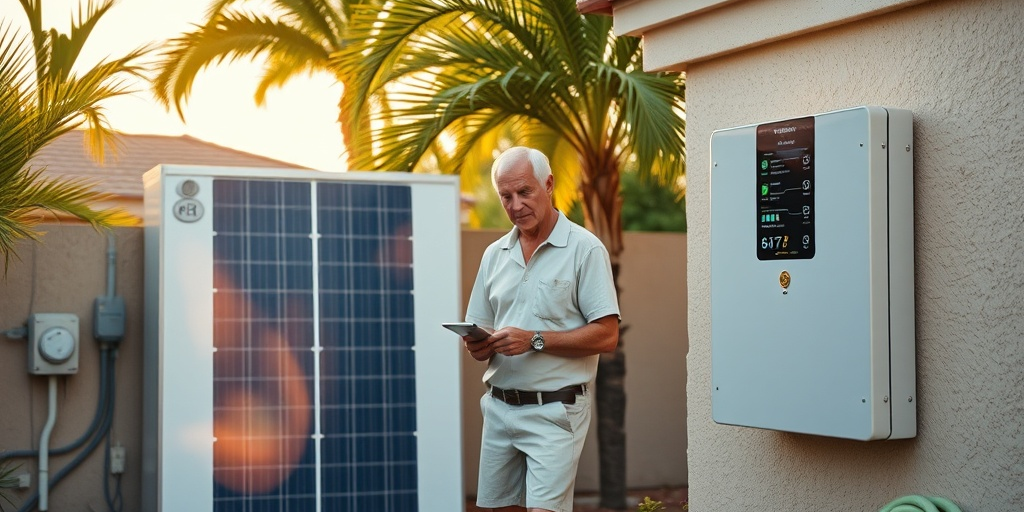
As Florida homeowners, you may be aware of the escalating conditions that drive the demand for renewable energy, particularly solar energy. In fact, as of early 2023, Florida ranks number 3 in the country for installed solar capacity, with over 6,500 megawatts generating power for approximately 1.5 million homes (SEIA.org). However, along with this growing reliance on solar energy comes an often-overlooked peril: solar battery storage risks. With advancements in technology comes both opportunity and danger, and as we step into 2025, these challenges may become more pronounced. This article, titled Critical Warning: Don’t Overlook These Solar Battery Storage Risks, will guide you through essential safety tips and considerations to safeguard your investment in solar energy.
Why does this topic matter now? As energy prices continue rising—forecasted to increase by 15% in the next two years (Energy.gov)—and as residents across the Sunshine State seek to maximize their solar savings, understanding the risks associated with battery storage is critical. Solar batteries can help store excess energy, allowing homeowners to use solar power even when there’s no sunlight. Yet, improper installation or neglecting maintenance can lead to hazardous situations that compromise both your household and financial security.
In this extensive overview, we will cover five critical areas:
- Case studies illustrating real-life risks and solutions associated with solar battery storage.
- A practical checklist detailing actionable steps to mitigate these risks.
- Common myths about solar battery storage and effective rebuttals.
- A local focus on Florida-specific laws and statistics that impact solar battery usage.
- A technical deep dive into the specific components of solar systems, including incentives available to homeowners.
Let us delve deeper into these critical areas that could save you from making costly mistakes by truly understanding your solar battery storage options.
Understanding the Risks: Real Stories Behind Solar Battery Storage
Imagine this: a family in Tampa, excited about their new solar system, has just installed a cutting-edge solar battery. The promise of cutting their electric bill and charging their electric vehicle using clean energy was simply too enticing. However, within weeks, they began experiencing strange odors coming from the battery unit. Ignoring the warning signs, they continued to use the battery until one day it overheated, causing damage to their home. Unfortunately, this was not an isolated incident; many homeowners overlook key safety features when integrating battery storage into their solar systems.
This case highlights the importance of being well-informed about the potential risks, particularly in the rapidly-growing solar market. According to the National Fire Protection Association, battery-related incidents have been on the rise since 2020, specifically with lithium-ion batteries that many homeowners opt for today (NFPA.org). To help you navigate these challenges, here are crucial steps to keep in mind:
- Comprehensive Installation Inspection: Before integrating battery storage, ensure that the installation meets local codes and safety standards.
- Regular Maintenance Checks: Schedule routine service appointments to check battery performance and identify signs of wear before they escalate into dangerous situations.
- Monitor for Warning Signs: Be vigilant for signs like strange odors, overheating, or strange noises emanating from your battery storage units.
Moreover, myth-busting is key here. Many believe that solar batteries are entirely maintenance-free devices. In reality, they require careful management to ensure safe operation. A well-maintained battery not only performs better but significantly reduces the risk of fire or other hazards.
Now let’s take a look at some common myths regarding solar battery storage that can lead homeowners astray…
Debunking Common Solar Battery Storage Myths
Myth #1: Lithium-ion batteries are inherently safe. While lithium-ion batteries are prevalent, they are not without flaws. Improper installation or damaged units can lead to fires or other hazardous events. According to a report by the U.S. Consumer Product Safety Commission, an average of 20% of lithium-ion battery incidents involved fires (CPSC.gov).
Myth #2: Solar batteries do not require warranties or insurance. In reality, warranties are critical for long-term protection. If any issues arise, you may not have recourse if you lack coverage. Additionally, many homeowners underestimate the benefits of adequate insurance for protecting their investments, especially in high-risk situations.
Myth #3: All solar batteries are created equal. Differences in technology, capacity, and chemical makeup can significantly affect performance and risk levels. Not all batteries are designed for residential applications, and using the wrong type can aggravate safety concerns.
Understanding such myths is imperative for Florida homeowners considering solar battery storage. The Florida Solar Energy Center notes that as more homeowners transition to renewable energy, the access to reliable battery storage is becoming increasingly crucial (FSEC.edu).
The important question remains: How do we bridge the gap between perceived security and actual safety? This leads us to viable solutions and best practices the industry recommends.
5 Expert Solar Installation Tips for 2025
As we gear up for a more robust solar landscape in 2025, ensuring that your installation is executed flawlessly is paramount. Here are five expert tips:
Tip #1: Invest in Quality Components
Choosing high-grade solar panels and batteries will not only enhance efficiency but also safety. Avoid cut-rate options that fans promise substantial savings but often fall short in performance.
Tip #2: Hire Qualified Installers
Your safety depends on the expertise of your installing professionals. Recruit experienced installers who are certified and accustomed to local requirements.
Tip #3: Incorporate Smart Technology
Utilizing smart inverters and battery management systems will help monitor system performance and detect anomalies before they escalate into emergencies.
Tip #4: Know Your Battery Options
Different types of batteries vary greatly in safety, lifespan, and performance. Conduct thorough research on the types available—lead-acid versus lithium-ion, for example—and choose based on your specific needs.
Tip #5: Prepare an Emergency Plan
Be proactive in preparing for worst-case scenarios should they arise. Have evacuation plans and battery reserves in place to handle power outages or other emergencies.
With the complexity of the current energy landscape, these expert insights can keep your family safe and help you maximize your solar potential. Want more? Let’s explore some of the latest data affecting Florida homeowners.
The New Age of Solar Energy: Industry Data Expansion
As a homeowner in Florida, staying informed about industry trends is crucial. According to the Solar Energy Industries Association (SEIA), solar employment in Florida is projected to rise by over 6% by the end of 2025 (SEIA.org). This increase is coupled with rising electric costs, forecasting a potential savings rate of 30% for early solar adopters in the state.
- Cost of Electric Bills: Average electricity costs in Florida have escalated by 5% year-on-year, highlighting the urgency of adopting renewable energy (Energy.gov).
- Battery Power Storage Growth: It’s estimated that battery storage in solar installations will double in the next five years, presenting a great opportunity for homeowners (NREL.gov).
- Incentives Availability: The federal investment tax credit is currently at a rate of 26%, set to decrease significantly year-on-year—making now an attractive time to invest (DSIREUSA.org).
These data points not only highlight the brisk growth of solar power but also underline the need for comprehensive strategies to mitigate risks associated with battery storage. The forward momentum is clear, and Florida homeowners can ride this wave by adopting informed practices regarding solar technology.
Next Steps for Florida Solar Buyers in 2025
If you’re looking to transition to solar energy safely, follow these actionable steps:
- Step 1: Audit Your Electric Bill
Determine your monthly energy costs to set realistic savings goals for your solar investment. - Step 2: Research Battery Options
Identify suitable batteries based on your energy needs and speak with a professional about the best choices. - Step 3: Schedule Site Assessments
Always have your installation site analyzed by a certified technician to customize your solar system. - Step 4: Review Contracts Thoroughly
Ensure that all agreements address installation, warranties, and maintenance schedules clearly. - Step 5: Connect with Experts
Expert guidance can be invaluable. Explore resources on local incentives through floridaelectricandsolar.com.
By adhering to these steps, you not only set the stage for a successful transition to solar but also work to significantly minimize the risks associated with battery storage.
In summary, this journey through solar battery storage risks has illuminated the importance of remaining vigilant in your quest for sustainable energy. As Florida homeowners considering the solar transition, you’re part of a growing movement driven by the economics of energy independence and environmental accountability. Remember, the decisions made today will have a lasting impact on both your own household and the wider community. As 2025 approaches, prioritizing safety will ensure that your solar investment is both fruitful and secure.
Ready to start your solar journey in 2025? Connect with a certified expert at floridaelectricandsolar.com today.
Related Articles
More insights about Battery Storage

What Is a Solar Battery and How Does It Store Power for Your Florida Home?

Beginner’s Guide to Solar Battery Storage Essentials

Florida Homeowners: Unlock Benefits of Solar Battery Storage Today
Ready to Go Solar?
Have questions about solar energy? Our experts are here to help you make the switch to clean, renewable energy.