
Don’t Miss This: The Risks of Ignoring Solar Battery Storage
Share:
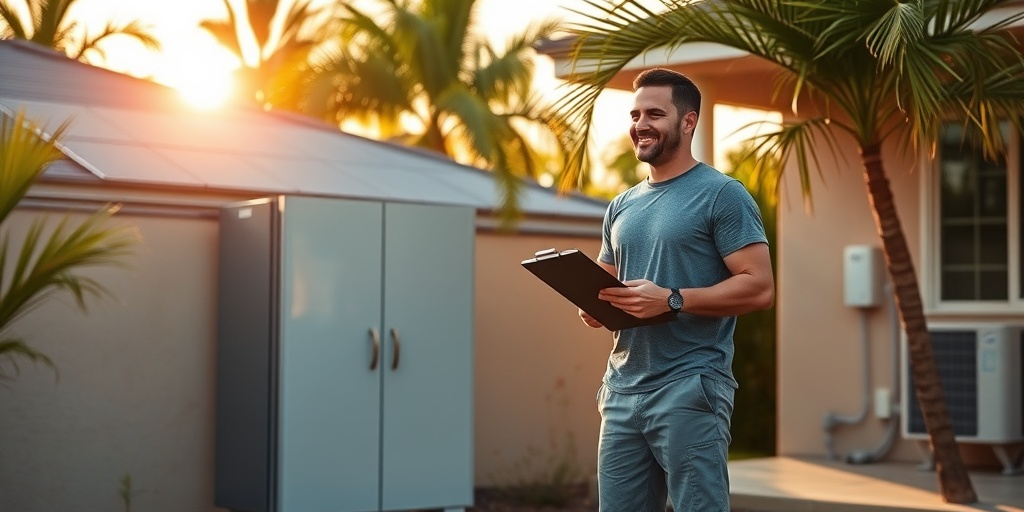
Are you aware that nearly 1 in 4 households in Florida has switched to solar energy? With the ever-increasing demand for renewable energy and the rapid rise in electric bills, the momentum towards solar adoption is undeniable. As we step further into 2025, decisions regarding energy storage possibilities loom ever larger on the horizon. However, many homeowners remain unaware of the essential wisdom outlined in our article titled “Don’t Miss This: The Risks of Ignoring Solar Battery Storage.” Failing to consider solar battery storage could have serious implications for your long-term financial investment in solar technology, not to mention your safety. For instance, studies reveal that homes equipped with battery storage can maximize their solar power usage by up to 80%, potentially saving over $1,500 annually on energy costs (SEIA.org). Coupled with the growing instability of the electric grid and inflated market rates, the urgency of this conversation cannot be overstated. So why neglect such a vital aspect of your solar strategy in Florida? In this engaging post, we’ll explore five crucial sections: 1) Understand the immediate risks 2) A practical action checklist 3) Debunk common myths 4) Focus on local implications for Floridians 5) A technical deep dive into solar battery technology. Let’s start to uncover the layers of solar battery storage and its critical importance in 2025.
Delving into the Immediate Risks of Ignoring Solar Battery Storage
Ignoring the risks surrounding solar battery storage can put homeowners at financial and operational risk. Let’s take the story of Mike and Lisa, a couple who decided to install solar panels on their new home in Tampa, Florida, only to overlook the installation of a battery storage system. They were excited about generating their own electricity, monitoring their solar production, and witnessing reduced electricity bills. However, during a lengthy summer storm, the power grid went down. Their solar panels were generating energy, but without a battery storage unit, they couldn’t use any of it. This unexpected power outage forced them to rely on a noisy generator, incurring additional costs and significantly stressing an already tense situation.
This unfortunate scenario could have been avoided had they factored in battery storage during their solar planning phase. Here’s a quick look at some potential risks faced by homeowners neglecting solar battery systems:
- Energy Independence: Without a battery, homeowners are vulnerable to grid outages and price spikes, making energy independence a pipe dream.
- Wasted Energy: In many cases, excess energy generated is sent back to the grid, often at a fraction of its worth. Without storage, homeowners miss out on maximizing solar savings.
- Urgency of Future Technologies: Battery systems continue to evolve, and neglecting this aspect of solar investment today means missing out on cutting-edge technology tomorrow.
The current solar landscape in Florida corroborates these points. Florida is leading the charge with an astonishing 180% increase in residential solar energy installations since 2015 (SEIA.org). But as the market grows and evolves, so do the demands for energy resilience and financial sustainability.
Checklist for Proper Solar Battery Storage Considerations: To avoid the fate of homeowners like Mike and Lisa, here’s a concise checklist to ensure your solar investment thrives:
- Assess Your Energy Needs: Determine your average energy consumption and future needs to size the battery appropriately.
- Research Local Incentives: Identify any state or federal tax credits aimed at promoting solar battery storage.
- Consult Professionals: Partner with experts who understand solar technology and battery options tailored for Florida homes.
- Plan for Peak Times: Design your battery storage to maximize energy use during peak pricing hours.
- Regular Maintenance: Establish a routine check-up on the battery’s health to ensure longevity.
Understanding these risks combined with actionable steps can significantly shape your solar journey, taking you one step closer to energy resilience in the face of fluctuating energy prices.
Now let’s shift our focus and discuss the common myths often surrounding solar battery storage, debunking misinformation that may mislead homeowners.
Debunking Common Myths About Solar Battery Storage
The world of solar energy is rife with misconceptions, especially when it comes to solar battery storage. Let’s tackle some common myths that might be influencing your decisions—perhaps even compelling you to disregard this essential technology.
- Myth #1: Solar Batteries Are Too Expensive. While upfront costs indeed exist, advancements in technology have steadily decreased them. Plus, homeowners can recover investment costs through tax credits and energy savings over time (Energy.gov).
- Myth #2: Their Lifespan is Too Short. Contrary to belief, modern batteries, especially Lithium-ion options, can last 10-15 years, depending on usage and maintenance. That’s a considerable duration to reap benefits.
- Myth #3: Excess Energy is Lost Without a Battery. Many homeowners assume that without a battery, their solar investments are wasted. In fact, energy is still sent to the grid, albeit usually at a lower rate which can still be beneficial.
- Myth #4: Battery Systems Require Constant Maintenance. Most newer systems are designed for minimal upkeep, and regular check-ups are sufficient rather than constant monitoring.
- Myth #5: Batteries Are Not Necessary if Connected to the Grid. Being grid-tied does not protect against outages or electricity price volatility. Storing energy in a battery provides peace of mind regardless of grid function.
By debunking these myths, we can help prospective solar users navigate their choices more confidently, understanding how crucial battery storage is to fully realize the potential of their investment.
Next, let’s pivot to the impacts specific to Florida homeowners who opt against battery storage in a state rapidly moving towards renewable energy resilience and sustainability.
Florida’s Climate and Energy Landscape: The Need for Battery Storage
Given Florida’s unique climate challenges—frequent hurricanes, summer storms, and rising energy demands—the rationale for solar battery storage becomes even more pronounced. The need for battery storage isn’t merely a suggestion; it’s a strategic necessity for the estimated 21 million residents in Florida.
Now, consider the factors that definitively affect Florida homeowners:
- Hurricane Preparedness: The state’s geography makes it especially vulnerable to storms that bring down power lines. Battery storage allows you to power your home even during outages, ensuring safety and security.
- Rising Energy Costs: Florida continues to experience a rise in energy costs, with rates climbing around 3% annually on average. Solar storage can drastically reduce bills and create substantial savings over time.
- Peak Demand Fees: With more households relying on air conditioning during scorching summers, peak demand fees rise. Battery systems allow homeowners to draw from stored power during these hours, mitigating excessive costs.
A recent study shows that around 60% of Floridians are considering battery storage as they expand solar installations due to these compelling reasons (FloridaElectricAndSolar.com). This represents a significant shift towards more sustainability, energy independence, and resilience within communities.
Yet, the complications of solar battery integration can be daunting without proper guidance. In the next section, we’ll delve deeper into the technical aspects of solar technology and the essential components necessary for a successful solar battery system.
The Technical Deep Dive: Understanding Solar Battery Systems
To truly grasp the importance of battery storage, a technical understanding is vital. A solar battery system comprises various components, each contributing to its effectiveness and efficiency.
Let’s explore these aspects:
- Types of Batteries: From Lead Acid to Lithium-ion, each battery type comes with pros and cons. Lithium-ion is favored for its longevity and extensive cycle life, while Lead Acid is more cost-effective for short-term needs.
- Inverter Systems: A proper inverter is necessary for converting DC power from solar panels to AC power compatible with appliances. Some batteries integrate inverters directly, simplifying installations.
- Battery Management Systems (BMS): A BMS is essential for overseeing battery functions, maintaining health, and optimizing charging/discharging cycles for performance longevity.
- Installation Requirements: Proper installation is key. Factors like location, battery size, and system design greatly influence efficiency. Collaborating with reliable technicians ensures optimal setups.
Moreover, smart battery systems now utilize advanced algorithms and machine learning to predict energy needs and adjust charging patterns accordingly. Such technology maximizes efficiency, reducing costs associated with energy reliance.
In Florida, innovation leads the charge; a recent report indicates a surge in projects incorporating smart batteries, enhancing resilience against energy volatility (SolarReviews.com). As our landscape evolves, the technical competency of homeowners becomes critical for making informed choices. As 2025 approaches, encompassing innovative technologies can be the difference between control over one’s energy resources or continued dependence on fluctuating energy markets.
Wrapping up this deep dive, let’s craft an actionable plan for Florida homeowners ready to incorporate these insights into their solar strategy.
Next Steps for Florida Solar Buyers in 2025
Now more than ever, Florida homeowners need to act decisively concerning their energy strategies and safety. It’s time to create a comprehensive action plan to ensure a smooth transition into solar technology and battery storage.
Here’s your step-by-step guide:
- Step 1: Audit Your Electric Bill: Analyze recent bills to identify your peak usage times and average spend. Understanding your consumption will inform battery size and capabilities.
- Step 2: Research Available Technology: Assess different solar battery options, focusing on performance, lifespan, and compatibility with existing systems.
- Step 3: Consult with Certified Professionals: Seek out reputable companies specializing in solar battery systems in Florida. Ensure they possess the necessary experience and accreditations.
- Step 4: Apply for Incentives: Investigate state and federal incentives related to solar and battery installation. Don’t leave potential savings on the table.
- Step 5: Schedule Regular System Evaluations: After installation, ensure scheduled checks are in place to maintain your battery system’s performance and efficiency.
These steps will help streamline your transition into solar energy, aligning with Massachusetts’ strategy to cultivate energy security and resilience. For additional guidance, visit floridaelectricandsolar.com.
By following each step diligently, homeowners can revolutionize how they approach energy consumption and safeguard their financial futures against unpredictable energy markets.
Conclusion: Embrace Solar Power and Battery Storage for a Resilient Future
As we traverse the realm of solar energy and battery storage, it’s clear we are standing at a crucial intersection. Ignoring the risks associated with battery storage might not only compromise energy efficiency but also impact your overall investment in solar power. By understanding the urgency of our current landscape, debunking common myths, and navigating the technical intricacies of solar storage systems, homeowners are empowered to transform their approach to energy consumption.
As we anticipate the strides Florida will make into 2025, your decisions have never mattered more. Engaging with solar technologies and investing in battery storage is an opportunity to leave behind constraints of rising electric costs, natural disasters, and an unstable grid. By doing so, you secure energy independence for you and your family.
Ready to start your solar journey in 2025? Connect with a certified expert at floridaelectricandsolar.com today.
Related Articles
More insights about Battery Storage

What Is a Solar Battery and How Does It Store Power for Your Florida Home?

Beginner’s Guide to Solar Battery Storage Essentials

Florida Homeowners: Unlock Benefits of Solar Battery Storage Today
Ready to Go Solar?
Have questions about solar energy? Our experts are here to help you make the switch to clean, renewable energy.