
Expert Insight on Solar Battery Storage for Your Home
Share:
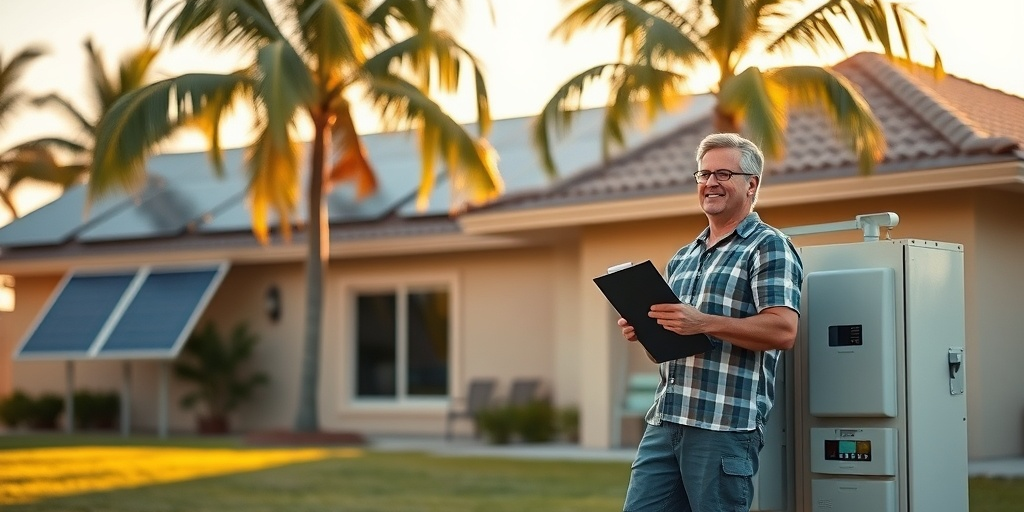
Did you know that having a solar battery system can save homeowners in Florida up to $1,800 annually on energy bills? As the sunniest state in the U.S., Florida homeowners are perfectly positioned to harness solar power in ways that lead to significant savings and energy independence. But what if you could take it a step further? Enter solar battery storage, a game-changing technology that enhances the sustainability and efficiency of solar power systems. In this comprehensive guide titled Expert Insight on Solar Battery Storage for Your Home, we will delve into the intricacies of solar battery storage, explore real-life case studies, debunk common misconceptions, and provide actionable steps for families and commercial property owners across Florida to maximize their solar potential. As energy costs continue to rise and climate challenges loom over us, understanding solar battery storage becomes not just an option, but an urgent necessity in 2025.
In recent years, advancements in solar battery technology have transformed the way we consume energy. A 2022 report indicated that over 160,000 U.S. households installed a solar battery, and this figure is expected to increase sharply in the coming years (SEIA.org). In this post, we will address five essential sections that outline the multifaceted benefits of solar battery storage:
- Case Study: A real-life story of a Florida family who went solar with battery storage.
- Checklist: Five actionable steps to evaluate and implement solar storage in your home.
- Myth-Buster: Common misconceptions about solar batteries clarified.
- Local Focus: Florida-specific insights and policies that impact solar adoption.
- Technical Deep-Dive: Understanding how batteries work in conjunction with solar panels and the financial implications.
Let’s get started on your journey toward smarter energy solutions!
Real-Life Solar Solution: A Family’s Journey with Battery Storage
Meet the Garcias, a family of four living in Orlando, Florida. In 2022, they decided to invest in a solar panel system for their home to combat rising electricity bills and embrace more sustainable living. They heard about solar battery storage and were intrigued by its potential benefits.
When the Garcias first spoke with a representative from Florida Electric & Solar, they learned that solar battery systems could offer them energy independence and financial savings over time. Their current electric bill averaged around $300 monthly, with peak demand during the sweltering Florida summers when air conditioning is in high use. Every month, they dreaded seeing their energy bill escalate—until they explored solar options.
After conducting a thorough energy audit, the Garcias learned they could significantly reduce their reliance on traditional power sources by going solar with battery storage. They were provided with a customized checklist to help them understand their needs and evaluate the installation process:
- Assess Energy Needs: Calculate your average monthly energy usage through utility bills.
- Explore Options: Look into various solar panel brands, battery types, installation costs, and financing models.
- Consult Experts: Speak with certified solar companies to receive tailored guidance and quotes.
- Understand Incentives: Review federal and state incentives available for solar installations.
- Prepare for Installation: Get your home ready by ensuring roof integrity and access for the installers.
Ultimately, the Garcias chose a lithium-ion battery system paired with their solar panels to produce energy during the day and store it for nighttime use. Their decision wasn’t just environmentally driven; it was a wise financial move. Homeowners with solar plus battery systems can expect to lower monthly bills significantly. According to the Solar Energy Industries Association, homes with battery backup systems can save up to 30% more compared to solar-only setups (SEIA.org).
Since installation, the Garcias experience energy savings of $220 monthly on average, bringing their annual savings to an impressive $2,640. They are no longer at the mercy of energy price increases and frequently enjoy energy independence during storm seasons when outages are common. The story of the Garcias is a compelling example of how solar battery storage can transform not only monthly expenses but family lives.
Five Steps to Implementing Solar Battery Storage
If you’re ready to embrace the benefits of solar battery storage, consider this five-step checklist as a roadmap to get started:
- Step 1: Audit Your Electric Bill
Review your monthly electricity usage to determine your average consumption. Understanding your baseline energy needs is crucial for sizing your solar battery system correctly. - Step 2: Research Battery Options
Explore the various types of solar batteries available in the market, such as lithium-ion and lead-acid batteries. Lithium-ion offers greater energy density and efficiency, while lead-acid models are typically less expensive but have a shorter lifespan. - Step 3: Consult with Experts
Reach out to certified solar companies to help guide you on installation options and incentives. Getting quotes from multiple providers can give you a clear picture of the potential costs and savings. - Step 4: Evaluate Incentives
In Florida, federal tax credits can cover up to 26% of your solar installation costs (DSIREUSA.org). Understanding the financial incentives available can significantly reduce upfront costs. - Step 5: Installation and Monitoring
Work with your selected installation company to ensure proper placement of solar panels and the battery system. Regular monitoring will allow you to measure your energy savings and system performance.
Arming yourself with this knowledge is crucial for anyone contemplating solar battery storage. Each step lays the groundwork for making an informed decision that leads to energy savings, independence, and sustainability. To learn more about going solar in Florida, visit floridaelectricandsolar.com.
Debunking Myths Around Solar Battery Systems
There are many misconceptions surrounding solar battery storage that often mislead consumers, causing hesitation in the purchasing process. Here, we clarify five common myths that might prevent you from realizing the full benefits of solar energy.
- Myth #1: Solar Batteries Are Too Expensive
While upfront costs can seem high, storage systems are becoming more affordable each year, especially with available tax credits and financing options. Long-term savings can outweigh initial investments. - Myth #2: Battery Systems Aren’t Worth It
Many families find that coupling their solar panels with battery systems allows them to save a significant amount on their utility bills. Homeowners can save up to 30% more with storage than without (SolarReviews.com). - Myth #3: My Home Will Still Be Dependent on the Grid
With the right battery unit, you can achieve significant grid independence, meaning you can rely more on stored energy rather than traditional power sources, particularly during grid outages. - Myth #4: Batteries Are Not Eco-Friendly
Many modern batteries are designed for sustainability. Manufacturers are increasingly focusing on recyclable materials, minimizing their environmental impact. - Myth #5: Maintenance is Ineffective
Today’s battery systems are designed to require minimal maintenance over their lifespan. Checking your system periodically can help ensure optimal performance and longevity.
Being informed and debunking these myths empowers consumers to make confident decisions that ultimately enhance energy efficiency and savings. Arm yourself with facts, and take the plunge into the world of solar battery storage!
Florida-Specific Insights into Solar Adoption
Understanding local regulations and incentives in Florida can significantly impact your decision to adopt solar battery storage. In the Sunshine State, several policies encourage homeowners to transition to solar power.
One of the most beneficial programs is the Florida Solar Tax Exemption, which allows Florida homeowners to install solar energy systems without being assessed for additional property taxes (Florida Department of Revenue). This means you can add solar panels and batteries to your home while protecting your property tax status. Additionally, the Florida Net Metering Law requires utilities to credit customers for excess energy produced by their solar systems, significantly enhancing the financial benefits of solar energy.
With nearly 12% of Florida’s energy consumption attributed to residential electricity usage, the state ranks as one of the highest for solar energy potential (Energy.gov). Leveraging solar storage not only contributes to your financial savings but also aids in meeting Florida’s increasing energy demand sustainably.
- Local Incentives: Take advantage of tax credits and subsidies to reduce upfront costs.
- Growing Demand: With more residents pursuing solar solutions, early adopters can establish energy independence and benefit from scalable technologies.
- Advancing Technology: Florida’s solar market is evolving, and the introduction of more efficient batteries is creating opportunities for cost-effective systems.
By considering Florida-specific regulations and factors, you can better position yourself to harness the full benefits of solar battery storage. Act now, as energy trends continue to evolve rapidly in the Sunshine State!
Understanding How Solar Batteries Work: A Technical Deep-Dive
To demystify solar battery storage, let’s explore how these systems work and why they matter for homeowners in Florida. Solar batteries facilitate energy storage produced by solar panels during the day for use during the night or periods of high demand. This functionality not only helps homeowners gain more control over their energy consumption but also enhances overall system efficiency.
Major components involved in solar battery systems include:
- Inverter: This converts the direct current (DC) electricity generated by solar panels into alternating current (AC), usable in your home.
- Battery Storage System: This stores excess energy produced during peak sunlight hours for later use.
- Charge Controller: This monitors the battery’s state of charge and prevents overcharging, ensuring the longevity of your system.
By pairing your solar energy system with battery storage, you not only maximize your energy usage but also mitigate the challenges posed by utility demand charges during peak times. Families using solar plus storage systems can reduce their exposure to these costs by drawing from their battery reserves rather than relying solely on grid power.
According to the National Renewable Energy Laboratory, homeowners with solar+battery setups experience not only lower utility costs but also an increase in their energy resilience, providing peace of mind during storm seasons and power outages (NREL.gov).
Understanding how these elements come together can enhance your knowledge and abilities to optimize your energy system. With technology advancing rapidly, investing in solar battery storage may soon be considered not just a niche option, but a standard for responsible energy consumption.
Next Steps for Florida Solar Buyers in 2025
As we prepare for a future dominated by renewable energy, taking concrete steps is essential for homeowners considering solar options. Here are seven actionable steps to guide your journey toward energy independence with solar batteries:
- Step 1: Conduct an Energy Audit
Review U.S. Department of Energy guidelines on how to assess your energy usage accurately. - Step 2: Determine Your Solar Needs
Assess how much energy you wish to generate and store based on family size, lifestyle, and budget. - Step 3: Engage with Certified Professionals
Consult with experienced solar companies for estimates and project details. Always request quotes from multiple providers for transparency. - Step 4: Explore Available Tax Credits and Financing
Take advantage of the federal solar tax credit while it remains available, and look into financing options for battery systems. - Step 5: Get a Site Assessment
Arrange for your chosen installation company to perform a site assessment to ensure roof suitability and system integrity. - Step 6: Prepare for Installation
Remove any obstacles that may hinder the installation process to ensure a seamless experience. - Step 7: Monitor Your System
Once installed, familiarize yourself with monitoring software that allows you to track your energy production and usage effectively.
Empower yourself with the right information and tools as you navigate the process of going solar in Florida. Every decision made today works toward a sustainable future filled with energy autonomy. Ready to start your solar journey in 2025? Connect with a certified expert at floridaelectricandsolar.com today.
In summary, understanding solar battery storage is more than just a technical decision; it’s an empowering choice that can lead to substantial savings, independence, and a sustainable lifestyle. As we face rising energy costs and climate progression, the time to act is now—especially for Florida homeowners eager to harness the power of the sun. With the insights shared in this guide, you now have a roadmap to explore solar battery storage for your home. Join the solar revolution today!
Related Articles
More insights about Battery Storage

What Is a Solar Battery and How Does It Store Power for Your Florida Home?

Beginner’s Guide to Solar Battery Storage Essentials

Florida Homeowners: Unlock Benefits of Solar Battery Storage Today
Ready to Go Solar?
Have questions about solar energy? Our experts are here to help you make the switch to clean, renewable energy.