
What Florida Homeowners Should Know About Off-Grid Solar Systems
Share:
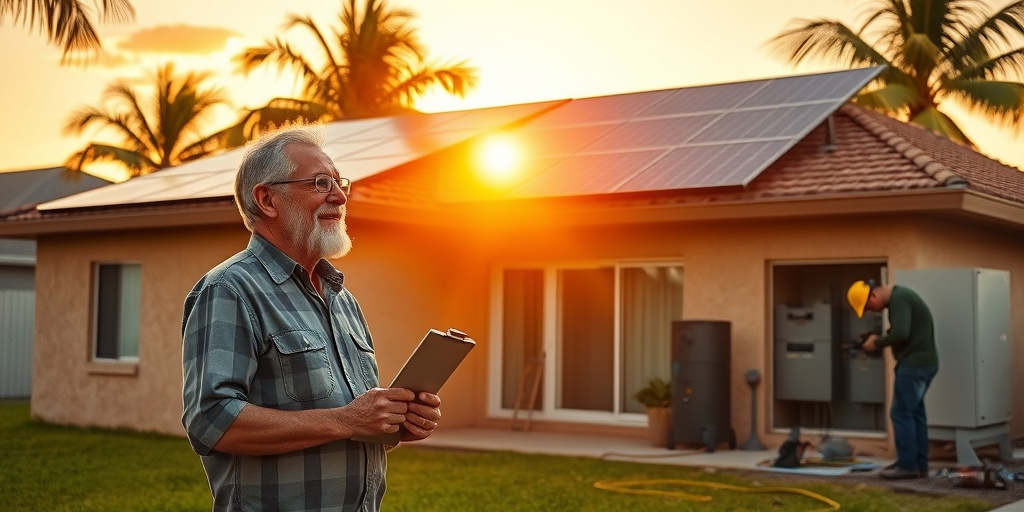
In a world where energy consumption continues to soar and climate change looms larger with each passing year, the choice of sustainable energy has become not just an option, but a necessity for homeowners. This is particularly true for Florida residents, where the sun shines bright, and the potential for solar energy is immense. Did you know that nearly 50% of homeowners in Florida are considering solar energy in the near future? A staggering statistic that reflects growing awareness of sustainable energy resources (SolarReviews.com). As we roll into 2025, one of the hottest topics is: What Florida Homeowners Should Know About Off-Grid Solar Systems. By transitioning to off-grid systems, homeowners can gain independence from energy providers, reduce their monthly electric bills, and contribute to a greener future. Off-grid solar systems operate independently of the utility grid, allowing homeowners to harness solar power for their energy needs. But how feasible is this option for you?
Understanding off-grid solar systems is crucial for home and property owners with an eye on energy independence. In 2025, rising energy costs and increasing grid instability make this knowledge even more essential. Additionally, state incentives for solar energy adoption continue to evolve, significantly impacting the financial viability of going solar. In this post, we will span various aspects of off-grid solar systems, including the benefits, the technical requirements, and what Florida homeowners can expect moving forward. Here’s what we’ll cover:
- Case Study: The Journey of an Off-Grid Homeowner in Florida
- Checklist: Essential Steps for Transitioning to Off-Grid Solar
- Myth-Buster: Common Misconceptions about Off-Grid Systems
- Local Focus: Florida-Specific Insights and Statistics
- Technical Deep-Dive: Understanding the Components of Off-Grid Systems
With this foundation, let’s dig deeper into what Florida homeowners should truly understand about off-grid solar systems.
Case Study: The Journey of an Off-Grid Homeowner in Florida
Meet Lisa, a 42-year-old mother of two from the sunny outskirts of Orlando. Tired of her rising electricity bills, which had skyrocketed by 30% in just five years, Lisa began to explore the world of solar energy. After attending a local seminar on renewable energy, she stumbled upon the concept of off-grid solar systems. Intrigued, she decided to embark on her journey toward energy independence.
Lisa’s first step was a comprehensive energy audit. She learned that the average Floridian household uses 1,100 kWh per month (Energy.gov). This knowledge prompted her to calculate her future energy needs, aiming for a 10kW system that could meet her family’s requirements while adding some capacity for growth. After receiving several quotes, Lisa chose a reputable Florida solar company to install a combination of high-efficiency photovoltaic panels and a robust battery storage system.
Installing an off-grid solar system took just under three months, with the final costs coming in at around $40,000, after applying relevant solar tax credits and state incentives. Lisa’s tenacity proved fruitful; by 2025, she was enjoying savings of over 70% on her monthly electricity bill.
In her first year of operation, she generated an impressive 16,000 kWh. Having fully invested in her energy production, Lisa was liberated from the grid, enjoying the benefits of solar power while contributing to a cleaner environment. Her experience further solidified the notion that transitioning to an off-grid system can translate to empowerment and savings.
Checklist: Essential Steps for Transitioning to Off-Grid Solar
- Step 1: Conduct an Energy Audit — Evaluate your current energy needs and consumption patterns.
- Step 2: Research Solar Providers — Find a reputable solar company in Florida that specializes in off-grid systems.
- Step 3: Calculate Costs and Incentives — Get detailed quotes and factor in available state incentives.
- Step 4: Design Your System — Work with your provider to create a customized solar solution tailored to your needs.
- Step 5: Installation and Maintenance — Start the installation process and plan for ongoing system maintenance.
Many Florida homeowners may be hesitant about the transition, believing that off-grid systems are complicated or expensive. This brings us to our next section, where we aim to debunk these myths and illustrate the real possibilities inherent in off-grid living.
Myth-Buster: Common Misconceptions about Off-Grid Systems
Myth #1: Off-Grid Systems are Too Expensive — Many people argue that setting up an off-grid solar system is too costly. While initial installation costs can be high, the long-term savings on energy bills can more than offset the expense. In fact, you could save over $1,000 per year in energy expenses (NREL.gov)!
Myth #2: Off-Grid Systems Can’t Support My Family’s Usage — Some believe that living off-grid means sacrificing modern convenience. With advancements in solar technology, today’s off-grid systems can meet the needs of an average family. Lisa, for instance, powered her entire home and even her electric car!
Myth #3: I Can’t Go Off-Grid Without a Big Investment — Contrary to popular belief, many financing options exist for homeowners interested in going solar. From low-interest loans to lease agreements, these solutions mean you can start benefitting from solar power without a massive upfront cost.
Myth #4: Impact on Property Value is Negative — In fact, installing a solar energy system increases property values. A study indicated that homes with solar panels sold for an average of 4.1% more than comparable homes without them (SEIA.org). Investing in solar now can yield strong returns in the future.
Myth #5: Off-Grid Living Means Living in Isolation — Going off-grid doesn’t inherently mean disconnecting from your community. Many homeowners join “solar co-operatives” allowing them to share resources and knowledge while still enjoying their independence.
As these myths unravel, it becomes clearer how practical and advantageous these systems can be for Floridians. Yet understanding the particulars of an off-grid solar setup is vital for making informed decisions moving forward.
Local Focus: Florida-Specific Insights and Statistics
Florida is often referred to as the Sunshine State for a reason: it boasts an average of 237 sunny days annually, making it an ideal climate for solar technology. Between 2022 and 2023, solar installed capacity in Florida increased to over 6.3 Gigawatts (SolarReviews.com). The state offers various incentives, including property tax exemptions and rebates for installing solar systems, making the financial aspect more appealing.
Furthermore, Florida’s net metering policy allows homeowners to sell excess energy back to the grid, providing additional potential income opportunities. Current estimates suggest that homeowners can earn about $320 a year through net metering alone (Energy.gov).
When considering local pros, the benefits of solar are amplified by an understanding of local utilities’ fluctuating rates. Many of Florida’s power companies have recently increased their rates, further solidifying the urgency for residents to explore alternative energy resources.
The tangible support system for solar in Florida includes organizations focused on promoting solar use among homeowners. Initiatives like the Florida Solar Energy Center offer resources to guide homeowners all along their solar journey, further reinforcing the community aspects of solar energy (Florida Solar Energy Center).
As the advantages of off-grid systems continue to manifest, it’s essential to grasp the technical components that enable such systems to function efficiently. Let’s dive deeper into the technology that powers off-grid solar living.
Technical Deep-Dive: Understanding the Components of Off-Grid Systems
The backbone of any well-functioning off-grid solar system consists of several integral components: solar panels, inverters, batteries, and mounting systems. Grasping their roles enables homeowners to create a seamless transition toward energy independence.
Solar Panels: The main players in the solar energy game—solar panels convert sunlight into electricity. Homeowners usually opt for monocrystalline panels due to their efficiency rates of around 20% or higher, making them ideal for Florida homes.
Inverters: These devices are pivotal—they convert the DC electricity generated by solar panels into AC electricity for home use. Off-grid inverters often feature built-in battery management systems, ensuring that energy is stored efficiently for cloudy days or nighttime use.
Batteries: Battery storage is crucial for off-grid systems, as they store excess energy for later use. Lithium-ion batteries are popular due to their higher efficiency and longer lifespan than traditional lead-acid batteries. This technology enables homeowners like Lisa to rely on stored energy for household consumption at night or during cloudy weather.
Mounting Systems: Proper installation of panels is critical for maximizing solar gain. In Florida, optimizing tilt angles can capture the most sunlight year-round. Roof-mounted systems are common, but ground installations are also an option depending on available land.
By understanding these technical components, Florida homeowners can make informed decisions about their solar energy systems and unlock the full potential of off-grid living. As we move into 2025, knowing these intricacies will help you navigate the options available to harness the state’s abundant sun. Finally, let’s outline the actionable steps for those ready to take the plunge into the solar world.
Next Steps for Florida Solar Buyers in 2025
As we wrap up, it’s essential to outline some clear and actionable steps to help Florida homeowners initiate their solar journey. Understanding the benefits of opting for an off-grid system is just the beginning; the real challenge lies in the execution. Here’s a simple checklist to guide you:
- Step 1: Audit Your Electric Bill — Identify your current monthly consumption and track how much you could save by switching to solar.
- Step 2: Analyze Financing Options — Research available rebates, tax bonuses, and loans offered in Florida for solar energy installations.
- Step 3: Consult with Experts — Engage professional solar consultants who can walk you through the unique needs of off-grid living.
- Step 4: Gather Permits — Ensure compliance with local regulations and obtain the necessary permits before installation begins.
- Step 5: Plan for Maintenance — Develop a strategy for ongoing system health, ensuring maximum efficiency year-round.
In taking these steps, homeowners set themselves up for a successful transition, ultimately enhancing their quality of life and empowering their families through sustainable energy choices. The possibility of going solar isn’t just a dream—it’s an achievable reality for every Floridian household seeking independence and sustainability.
As we’ve explored the intricate aspects of off-grid solar systems, it’s clear that going solar isn’t just a trend; it’s the path toward a sustainable future powered by independence. Transitioning to an off-grid lifestyle can provide notable financial benefits, radically transform your electricity usage, and contribute to a healthier planet.
Are you ready to seize the opportunities around solar energy? Are you prepared to become one of Florida’s many homeowners revolutionizing their approach to energy consumption?
Ready to start your solar journey in 2025? Connect with a certified expert at floridaelectricandsolar.com today.
Related Articles
More insights about Off-Grid Solar

Myth-Buster: Off-Grid Solar Systems Are Not Always Unaffordable

What You Need to Know About Off-Grid Solar Systems

How One Florida Business Reduced Costs with Off-Grid Solar Systems
Ready to Go Solar?
Have questions about solar energy? Our experts are here to help you make the switch to clean, renewable energy.