
What Florida Homeowners Should Know About Solar Incentives
Share:
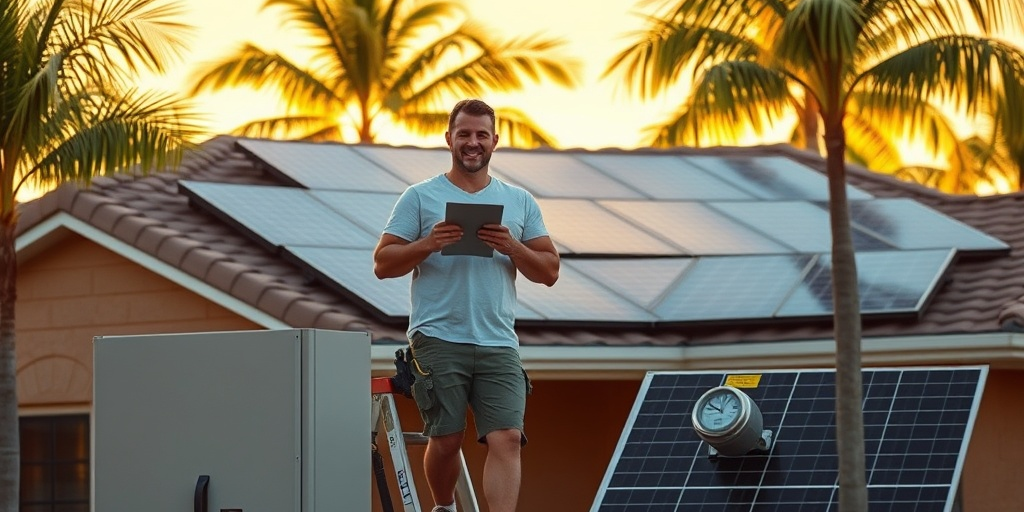
Did you know that Florida is ranked second in the nation for solar energy capacity, with over 17,000 megawatts installed? In 2025, homeowners across the Sunshine State will have access to an array of solar incentives that could dramatically cut their electric bills and elevate their energy independence. This article, titled What Florida Homeowners Should Know About Solar Incentives, explores the myriad of financial incentives available to savvy homeowners who want to embrace solar energy.
As energy prices continue to rise — with estimates suggesting an average increase of 3% annually (Energy.gov) — the urgency for Floridians to consider solar becomes even more critical. Additionally, government programs will enhance the savings potential as new legislation regarding federal tax credits is set to come into effect in 2025. This article will delve into five major sections, including an insightful case study, a practical checklist, myth-busting information, a localized deep-dive into Florida’s specific incentives, and a technical analysis that empowers you to make informed choices. Let’s shine some light on these valuable solar incentives!
Understanding Solar Incentives in Florida: A Deep Dive
Imagine the sun shining brightly over your home in Florida, where the warm climate and abundant sunlight create a perfect partnership for solar energy. Meet Sarah, a resident of Orlando who decided to invest in solar energy last year. Initially skeptical about the upfront costs, Sarah learned about the many incentives available to homeowners in Florida, leading her to install solar panels on her home. With a combination of state rebates, federal tax credits, and net metering, Sarah has seen her monthly electric bill drop by over 75%.
Building your own solar system in Florida can be simplified with the following checklist:
- Step 1: Research local solar companies for installations and reviews.
- Step 2: Understand the various financial incentives available to you.
- Step 3: Calculate your energy needs.
- Step 4: Choose the solar technology that fits your lifestyle.
- Step 5: Review and sign the contract, and schedule the installation.
Let’s dispel some myths surrounding solar energy. The first common misconception is that solar panels only work efficiently in sunny areas. In reality, solar panels can produce energy even on cloudy days, making them beneficial in almost any location. Another myth is that “going solar means giving up your roof.” In fact, solar installations are designed to integrate with your existing roof without the need for significant alterations.
Florida’s energy policies support solar initiatives, establishing clear pathways for homeowners to capture solar incentives. According to the Solar Energy Industries Association, Florida offers numerous incentives such as the Florida Solar Energy System Incentive Program (FSEC), which provides financial assistance for solar system installations (SEIA.org). The combined effect of these incentives means homeowners can often recoup their investment within a few years.
To thoroughly understand how solar technology works, one must delve into solar panels, inverters, and battery storage. Solar panels convert sunlight into electricity through photovoltaic (PV) cells. The inverter then changes this direct current (DC) electricity into alternating current (AC), which is used to power your home. When the sun isn’t shining, energy can be stored in batteries for use at night or during extended cloudy periods. This not only helps ensure energy efficiency but also improves the consumer’s overall return on investment.
In sum, by considering solar, you not only implement a sustainable energy source but also invest in your future. The transition to solar won’t just save you money — it will help the environment as well. As many experts note, increased adoption of solar energy is one step toward reducing our carbon footprint and combating climate change. In Florida, with the initiatives in place, every homeowner can be part of this solar revolution. If you want to learn more about the installation process, consider visiting floridaelectricandsolar.com.
Key Financial Incentives for Florida Homeowners
Florida homeowners can take advantage of several state and federal incentives to make switching to solar energy financially viable. Understanding these financial options can greatly enhance your savings. Here’s a breakdown of the main incentives available:
- Federal Solar Investment Tax Credit (ITC): Homeowners can claim up to 26% of the cost of their solar installation as a tax credit until the end of 2025. This means significant savings immediately off the installation costs (IRS.gov).
- Florida Solar Rebates: Various local utilities offer cash rebates for solar installations. For instance, Tampa Electric provides rebates of up to $2,000 on qualifying solar systems.
- Net Metering: This allows homeowners to receive credits on their utility bills for excess electricity their solar panels generate and send back to the grid. These credits help offset future energy costs (SEIA.org).
- Property Tax Exemption: In Florida, homeowners are exempt from property taxes when they install solar panels. This means your home’s value increases without a corresponding rise in your property tax bill, allowing you to save even more.
- Sales Tax Exemption: Floridians benefit from a sales tax exemption on solar equipment purchases, making initial investments less daunting.
It’s important to track changes in legislation because these incentives can be modified, renewed, or expanded—thus timing your investment can yield substantial returns. In the landscape of solar energy, individual utility companies might have their specific programs; researching local offerings is essential to maximizing available savings opportunities.
Wouldn’t you agree that being proactive about your energy options is essential for financial health? Understanding these incentives empowers homeowners to take charge of their energy destiny while contributing to a cleaner environment. For further details on these financial options, you can visit floridaelectricandsolar.com.
5 Expert Solar Installation Tips for 2025
As the 2025 solar landscape evolves, it’s essential to navigate installation with informed precision. Here are five expert tips to ensure that your solar installation process is smooth and rewarding:
- Location Matters: Consider placement carefully to maximize sunlight exposure. Afternoon sun hits rooftops more directly—position panels for optimal efficiency.
- Secure Quality Installation: Choose a licensed and experienced installer. Proper installation minimizes maintenance costs and maximizes efficiency.
- Energy Audit: Before choosing your system size, conduct an energy audit to understand your home’s electricity consumption. This can guide you in selecting the right system to meet your needs.
- Capacity Planning: Think long-term. As your energy needs grow, ensure that your solar system has the capacity to grow with you. Planning for future expansion can secure your investment.
- Inquire about Warranties: A strong warranty from the manufacturer on your solar panels and inverter can provide peace of mind. Seek products with at least 10-25 years of warranty coverage.
The increased focus on solar energy means consumers should be equipped with knowledge and safety procedures before linking their homes to solar power. Accurately evaluating the solar market landscape in 2025 can help homeowners obtain significant savings relative to the initial investment needed for installation.
In a market where solar energy continues to evolve with technology, gathering information transforms you from a passive consumer into an empowered prosumer. Invest wisely, and reap the benefits for years to come.
A Day in the Life of a Solar-Powered Florida Homeowner
Let’s take a step into the shoes of a fictional homeowner, Mike, from Fort Lauderdale. Mike and his wife Lisa decided to invest in solar energy after realizing their electricity bill was more significant than their grocery bill during summer months. After conducting research on available incentives, they realized the projected savings were not only appealing but necessary for their family’s financial future. They began their journey by doing the following:
- Evaluating initial costs: They established a budget, considering the ITC and local rebates.
- Choosing a solar panel system: They opted for a 9 kW system, leveraging net metering as they planned to sell excess energy back to the grid.
- Installation: The installation took place over two days, and they utilized the opportunity to learn about their solar system.
- Tracking energy production: They monitored their system daily through an app, noting fluctuations and trends.
Soon, Mike and Lisa started seeing savings on their monthly utility bills. By the end of the year, they saved approximately $1,300—a number supported by the National Renewable Energy Laboratory, which suggests that most Florida homeowners can expect to save around $1,140 annually (NREL.gov). This realization reinforced the importance of evaluating energy costs and appreciating the financial freedom that comes with solar power.
To summarize, adopting solar energy offers significant benefits, such as enhanced independence from traditional energy sources, reduced energy costs, and a greener lifestyle. The impending solar incentives set to arrive in Florida in 2025, paired with ongoing advancements in technology and financial support from both state and federal entities, make now the perfect time for homeowners to invest in their future.
Next Steps for Florida Solar Buyers in 2025
Laying the groundwork for solar energy adoption requires careful planning. Here’s a step-by-step approach Floridians can implement today:
- Audit Your Electric Bill: Review past bills to estimate yearly usage and determine the size of the solar system you will require.
- Research Incentives: Familiarize yourself with available state and federal incentives. Reading up on changes ensures you capitalize on potential savings.
- Identify Reliable Installers: Solicit multiple quotes from different installers, focusing on their experience and customer reviews.
- Ask Questions: Don’t hesitate to engage with potential installers on technology options, financing methods, and warranties.
- Schedule Installation: After selecting a contractor, schedule your system installation. Be sure to clarify maintenance requirements.
As Floridians gear up for 2025, understanding the nuances of solar energy is quintessential in navigating available options. Additionally, as technologies advance and incentives evolve, homeowners can find a significant payback on their investments while operating with greater energy independence. If you’d like to explore these options further, consider visiting floridaelectricandsolar.com for personalized advice and insights.
To conclude, What Florida Homeowners Should Know About Solar Incentives emphasizes the myriad benefits of going solar. With an array of financial incentives, technologies, and local expertise, taking that first step toward solar can be life-changing. As a Floridian homeowner, your ability to choose a sustainable energy source is not just a personal choice but a collective benefit to our environment and future. Transitioning to solar energy isn’t just an investment—it’s a clearer, brighter tomorrow for your family and the entire community.
Ready to start your solar journey in 2025? Connect with a certified expert at floridaelectricandsolar.com today.
Related Articles
More insights about Solar Incentives

Are Solar Panels Worth It in Florida? (2026 Guide)

How Can Solar Incentives by State Benefit Florida Homeowners

10 Essential Solar Incentives Every Florida Homeowner Should Know
Ready to Go Solar?
Have questions about solar energy? Our experts are here to help you make the switch to clean, renewable energy.