
What Florida Homeowners Need to Know About Solar Battery Storage
Share:
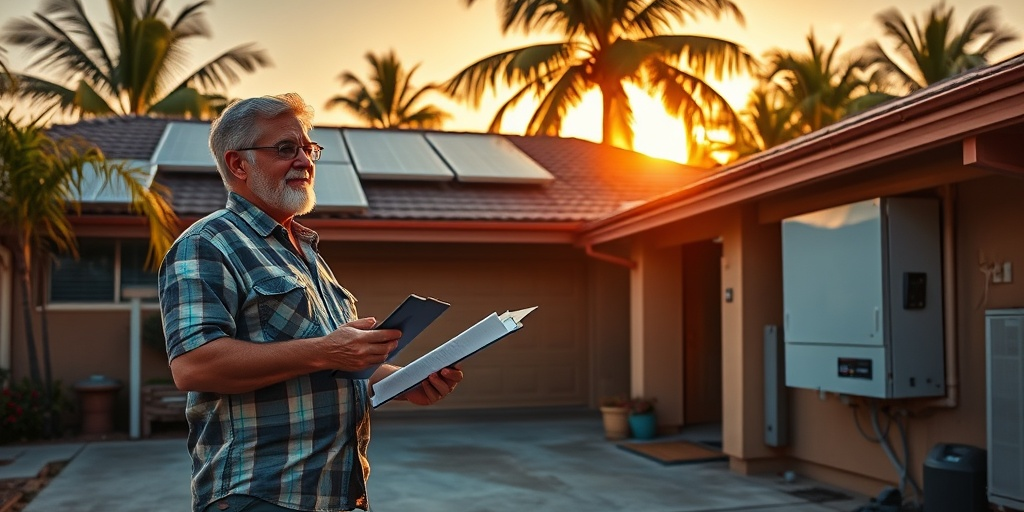
Imagine sitting in your cozy Florida home during a sweltering summer afternoon, the air conditioning running at full blast. You notice your electric bill inching closer to astronomical levels. You ask yourself: Is there a better way? The answer is an emphatic yes, especially when we look at solar battery storage. In this blog post titled What Florida Homeowners Need to Know About Solar Battery Storage, we’ll uncover how this technology empowers homeowners to save on utility bills while achieving energy independence, allowing you to own your power. Did you know that more than 90% of homeowners recognize solar energy as a way to benefit the environment, while only a fraction have installed solar panel systems (SolarReviews.com)? Additionally, with rising energy costs projected to soar as much as 20% by the end of this decade, more Floridians are turning to solar solutions (SEIA.org). As we approach 2025, understanding solar battery storage is not just beneficial; it’s urgent. Throughout this comprehensive guide, we’ll explore five crucial sections: a case study of solar adoption, a checklist for battery installation, myth-busting common misconceptions, a focus on Florida’s specific policies, and a deep dive into the technology that makes it all possible.
Understanding Solar Battery Storage: A Case Study
Meet the Johnson family, residents of Gainesville, who took a courageous leap into the world of solar energy. Faced with soaring electricity bills that threatened their financial security, they decided to go solar by installing photovoltaic (PV) panels coupled with a robust battery storage system. The first year transformed their lifestyle dramatically. Instead of feeling chained to their escalating expenses, they experienced the freedom of generating their own electricity while storing excess energy for later use.
Florida enjoys an average of more than 260 sunny days per year, making it ideal for solar energy generation. The Johnsons leveraged this by installing a 10kW solar system, which produced enough energy to power their home and feed any excess back into the grid. However, their wise investment didn’t end there; they installed a solar battery that stored approximately 25 kWh. This provided backup power during inclement weather and further allowed them to draw on stored energy during peak demand periods when electricity prices skyrocketed.
This combination of solar panels and battery storage led to a staggering 80% drop in their energy-related expenses. According to the Energy Information Administration, Florida boasts one of the highest electricity rates in the continental United States, averaging 13.71 cents per kilowatt-hour in 2023, making the Johnsons’ decision even more pivotal (EIA.gov).
To achieve similar results, Florida homeowners keen on reaping the benefits of solar battery storage should consider the following checklist:
- Assess Your Energy Needs: Understand how much energy your household consumes and determine the suitable battery capacity.
- Evaluate Solar System Compatibility: Ensure that your existing solar system (if applicable) is compatible with the battery storage technology you choose.
- Consult Experts: Speak with certified solar consultants who can help you design an optimal system tailored to your home.
- Understand Local Policies: Familiarize yourself with Florida’s solar policies, including net metering and incentive programs.
- Monitor Your Savings: Keep track of your energy savings as they accumulate monthly, validating your investment long-term.
Debunking Common Myths About Solar Battery Storage
Despite the growing popularity of solar battery storage, numerous myths continue to cloud people’s judgment. It’s time to set the record straight.
Myth #1: Solar battery storage is too expensive for average homeowners.
While initial costs for battery systems may seem high, Homeowners often recoup these expenses through lower energy bills and government incentives. In some cases, battery systems can achieve payback in 5-7 years (SEIA.org).
Myth #2: Solar batteries are only useful during power outages.
While batteries do provide backup power, they can also optimize energy usage by storing energy during the day and releasing it during peak hours, saving homeowners significant cash (SolarReviews.com).
Myth #3: You can’t mix different battery brands or technologies.
Modern battery systems are increasingly adaptive and can be integrated with various solar technologies, thanks to advancements in smart inverter technology.
Myth #4: All solar batteries are created equal.
Battery technology can vastly differ, with lithium-ion batteries typically providing higher efficiency and longer lifespan than their lead-acid counterparts.
Myth #5: Solar battery storage is not suitable for Florida’s tropical climate.
On the contrary, solar battery systems are designed to withstand extreme temperatures and humidity. With proper installation, they can operate efficiently year-round in Florida’s climate.
Now that we’ve debunked some common myths, let’s focus on the specific advantages of implementing solar battery storage in the Sunshine State.
Florida’s Solar Policy Landscape
Florida’s solar industry has gained significant traction in recent years, bolstered by progressive state policies and incentives that are incredibly favorable for homeowners. Understanding these local aspects is crucial for leveraging solar battery storage effectively.
- Net Metering: This law allows homeowners to receive credit for excess energy produced by their solar panel systems. With battery storage, you can maximize credits by using your stored energy at night or during outages.
- Property Tax Exemption: Florida homeowners can benefit from a residential property tax exemption on solar energy systems, ensuring that your home value increases without the accompanying tax burden.
- Sales Tax Exemption: In Florida, the installation of solar panel systems and storage devices are exempt from sales tax, saving homeowners several hundred to thousands of dollars upfront.
- Incentive Programs: Various local and federal programs provide financial assistance to ease the costs associated with solar adoption, ensuring accessibility for Florida families.
All these factors create an appealing environment for homeowners to consider solar battery storage. In this land of sunshine, energy independence is not just a dream; it’s an achievable reality.
The Technical Deep-Dive: How Does Solar Battery Storage Work?
To fully appreciate solar battery storage, it is essential to understand the technology at work. Solar batteries integrate seamlessly into your home’s energy system, allowing you to store excess energy produced during the day. Here’s how they function:
- Energy Generation: When sunlight hits your solar panels, it generates direct current (DC) electricity, which is then converted into alternating current (AC) electricity for use in your home.
- Energy Storage: Excess energy produced is routed to your battery storage system. Depending on its capacity, this system holds the energy for future use, ensuring availability even when the sun is not shining.
- Energy Usage: When your home requires energy, the battery supplies the power drawn down from its stored energy instead of pulling from the grid.
- Grid Interaction: If your system is connected to the grid, you can sell excess energy back, generating credits and further reducing your monthly bills.
Technologies like lithium-ion batteries are rapidly fostering improvements in efficiency, longevity, and performance, allowing homeowners to trust that their energy source is both reliable and cost-effective over time.
Next Steps for Florida Solar Buyers in 2025
Now that you are equipped with a wealth of knowledge about solar battery storage, it’s time to chart a course for your solar journey. Here’s your actionable plan to ensure a smooth transition into the world of renewable energy:
- Audit Your Electric Bill: Review your electricity usage patterns to understand your energy needs and evaluate potential savings.
- Research Solar Power Options: Explore different solar panel and battery options available in the market. Research brands, warranties, and compatibility with your existing setup.
- Consult with Experts: Reach out to reputable solar companies, like floridaelectricandsolar.com, to schedule consultations and get personalized quotes.
- Plan Financing Options: Determine whether to buy outright, finance, or consider leasing options, carefully analyzing which scenario provides the best long-term benefits.
- Stay Informed: Keep abreast of local policies and incentives that may influence your decision as well as industry trends that could enhance your investment.
Taking these steps will solidify your knowledge and set you on the path toward energy independence.
As we move closer to 2025, the need for solar battery storage has never been more pressing. Technology advances, coupled with supportive legislation and rising electricity costs, present a unique opportunity for Florida homeowners to leverage solar energy efficiently. The power is in your hands, quite literally, and it’s time to embrace it.
Ready to start your solar journey in 2025? Connect with a certified expert at floridaelectricandsolar.com today.
Related Articles
More insights about Solar Battery Storage

What Is a Solar Battery and How Does It Store Power for Your Florida Home?

What Florida Homeowners Should Know About Solar Battery Storage

5 Steps to Understand Solar Battery Storage for Your Home
Ready to Go Solar?
Have questions about solar energy? Our experts are here to help you make the switch to clean, renewable energy.