
Florida Homeowners: Unlocking the Benefits of Off-Grid Solar Systems
Share:
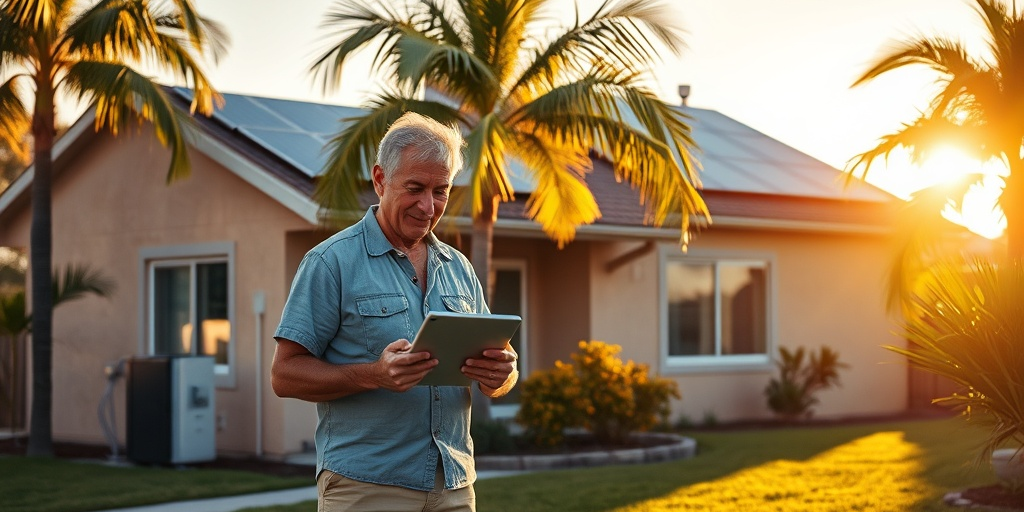
Imagine waking up every morning to the golden sun shining through your window, charging your home with powerful solar energy, independent from the rising costs of conventional electricity. For Florida homeowners, this dream can become reality with off-grid solar systems. In fact, recent data shows that more than 75% of homeowners in the state are considering renewable energy options in 2025, a significant increase from past years (SEIA.org). If you’re a commercial property owner, you might be equally intrigued by how these systems can boost your energy independence and reduce costs. Welcome to the blog titled Florida Homeowners: Unlocking the Benefits of Off-Grid Solar Systems, where we will explore the transformative potential of going solar off the grid. With solar energy options becoming more diverse and affordable, understanding the nuances of off-grid systems is more urgent than ever. As energy prices continue to soar—up 10% in 2023 alone—now is the time to explore your savings opportunities and reduce your dependence on traditional energy providers.
This topic not only answers key questions about cost savings and energy independence, but it also emphasizes the potential for a cleaner, more sustainable future in Florida. Are you curious about how off-grid solar systems work? Or perhaps you’re wondering about their real-world benefits for Florida residents? Here’s what we’ll cover in this insightful journey:
- An in-depth case study showcasing a transforming Florida homeowner’s experience.
- A step-by-step checklist to evaluate and install your off-grid solar system.
- Common myths debunked about solar power to clear the air on misconceptions.
- Florida-specific advantages of off-grid solutions that you wouldn’t want to miss.
- A comprehensive technical analysis of the components crucial to your solar journey.
Stay tuned as we delve deeper into the world of off-grid solar and show you how to unlock the benefits today!
Case Study: A Florida Homeowner’s Transition to Off-Grid Solar
Meet Sarah, a lifelong Florida resident, who was determined to escape the clutches of skyrocketing energy bills. After a particularly harsh summer where her air conditioning consumed most of her budget, she turned to solar energy with the hope of achieving long-lasting savings. Sarah found herself intrigued by off-grid solar systems, which allow homeowners to generate and store their own electricity, essentially severing ties with the local utility.
After initially researching solar options, Sarah reached out to floridaelectricandsolar.com, eager to discover the potential cost savings. An energy consultant assessed her home and available sunlight hours, comparing the benefits of traditional grid-connected systems to those of off-grid alternatives. The key selling point was that off-grid systems allow homeowners like Sarah to be less affected by external energy price hikes, where utility costs can fluctuate dramatically.
Sarah decided to invest in a comprehensive off-grid system consisting of high-efficiency solar panels, battery storage, and an inverter system. With the installation completed, she was amazed. Her electricity bill dropped from approximately $250 to a mere $40 a month—mostly for maintenance and small additional uses not covered by solar. The energy independence she craved was finally hers.
This case is not an anomaly; it resonates with a larger trend in Florida, where the state ranks among the top five for installed solar capacity, boasting over 17,000 solar installations as of 2023 (SolarReviews.com). This shift is largely fueled by innovations in solar technology that make off-grid systems more efficient and access to rebates that alleviate hefty upfront costs.
But how can you replicate Sarah’s success? We’ve created a straightforward checklist that outlines all the protective steps necessary for creating your off-grid paradise.
Step-by-Step Checklist for Implementing Off-Grid Solar Systems
Creating an off-grid solar system might seem daunting, but a strategic approach can simplify the process. Check out this actionable checklist designed for Florida homeowners ready to take control of their energy future:
- Step 1: Audit Your Energy Needs
Before investing in solar, calculate your energy consumption. Review previous electric bills to understand your baseline needs and consider your lifestyle adjustments for future energy efficiency. - Step 2: Research Off-Grid Systems
Explore options that match your energy demands. Off-grid systems typically consist of solar panels, batteries, an inverter, and energy management systems. Compare system features and energy outputs to see which fits your requirements best. - Step 3: Consult Professionals
Engage with licensed solar installers who understand local regulations and incentives in Florida. They can guide you through materials selection and installation while ensuring you meet all compliance requirements. - Step 4: Evaluate Financial Incentives
Don’t forget to research local and federal incentives. The Federal Solar Investment Tax Credit (ITC) allows you to reclaim a percentage of the total installation costs. For 2025, this percentage remains a generous offering, promoting wider adoption of solar energy. - Step 5: Install and Monitor Your System
Once installed, continue to monitor energy production and usage. Use a management app or system to track your off-grid output and make adjustments as required for optimal performance.
Following this checklist can set a solid foundation for your energy independence. But as you reflect on these steps, you might still ambivalence around making the transition. Let’s tackle some prevalent myths that could be holding you back.
Myth-Busting: Common Misconceptions About Off-Grid Solar Systems
As you consider whether an off-grid solar system is right for you, it is crucial to debunk some myths that can derail your decision-making process:
- Myth #1: Off-Grid Solar is Only for Rural Areas
Many believe that off-grid systems are suited solely for rural and remote locations. However, urban and suburban homes can easily implement these setups, tapping into grid independence and reducing energy costs. - Myth #2: Solar Panels Don’t Work in Florida’s Humidity
Some think Florida’s humidity renders solar panels ineffective. In reality, solar panels are optimized for the sunniest regions and can even produce energy output on cloudy or humid days! - Myth #3: Off-Grid Systems Are Unaffordable
Many assume that off-grid systems require significant upfront investment. While they do carry initial costs, financial incentives, rebates, and long-term savings significantly offset these expenses (SEIA.org). - Myth #4: Going Off-Grid Means Sacrificing Comfort
People worry that off-grid systems will force uncomfortable lifestyle changes. On the contrary, proper system sizing can maintain energy access for all your essential home appliances and even your leisure activities! - Myth #5: Maintenance is Complicated
Many believe that maintaining an off-grid solar system is a headache. With today’s technology, systems require minimal upkeep, and professional assistance is readily available for necessary maintenance.
These debunked myths provide reassurance that opting for an off-grid solar solution is not only feasible but advantageous for homeowners across Florida. But how exactly does it work? Let’s delve into the components that guide the function of off-grid systems.
The Technical Deep-Dive: Understanding Off-Grid Systems
Understanding the anatomy of an off-grid solar system is crucial as you contemplate going solar. Here are the main components that constitute a successful system:
- Solar Panels: Convert sunlight into usable electricity. Most off-grid systems incorporate high-efficiency monocrystalline or polycrystalline solar panels designed to maximize energy output.
- Battery Storage: Essential for storing excess energy generated for use when sunlight is unavailable. Lithium-ion batteries have become the preferred choice due to their longevity and performance (Energy.gov).
- Inverter: Takes the raw electricity generated by the solar panels and transforms it into a form compatible with home appliances. Off-grid systems rely on pure sine wave inverters for better compatibility and increased efficiency.
- Charge Controller: Regulates power from the solar panels to the batteries, preventing overcharging and ensuring a stable flow of electricity.
- Energy Management Systems: These systems monitor energy production and consumption, allowing homeowners to optimize energy usage accordingly.
This technical knowledge can empower you to navigate the world of off-grid solar systems with confidence, making informed choices that suit your specific needs. So, what’s next? You’ve absorbed valuable information about off-grid systems, but understanding your next steps can clear the path ahead.
Next Steps for Florida Solar Buyers in 2025
Taking action towards implementing your off-grid solar system can seem overwhelming; however, this comprehensive checklist will help facilitate your transition:
- Step 1: Confirm Your Energy Usage
Review historical electric bills to narrow down average usage per month. Look for peak usage times to help inform your entire solar setup. - Step 2: Review Your Property
Assess your property for solar suitability considering factors like roof orientation, shading from trees, and rooftop space. - Step 3: Research Local Installers
After gathering information about potential systems, reach out to certified local installers. Consider their experience and customer reviews in your selection process. - Step 4: Explore Financial Options
Research financial incentives available specifically in Florida, which may cover solar installations, and the potential savings metrics you could achieve. - Step 5: Start the Installation Process
Once you’ve decided on an installer and system, undergo the installation process while keeping an open line of communication regarding expected timelines and any required inspections.
These steps can help transition your home into a solar-powered oasis. By committing to off-grid solar systems, you not only unlock your savings potential but also contribute to Florida’s energy independence goals. Together, we are forging a sustainable future.
In conclusion, becoming energy independent and tackling rising electric costs is not only possible but attainable. Through the exploration of off-grid solar systems, we’ve uncovered the inspiring journey of homeowners like Sarah, who broke away from the rising prices of traditional energy sources. You’ve also witnessed the actionable steps required for initiating your own transition, the common myths debunked, and the components that make up this innovative technology.
The potential benefits of these systems are immense, especially in the Sunshine State. As you consider stepping into a brighter future, remember the urgency of investing in solar now—before electricity prices have a chance to rise even further. The time to act is now. Are you ready to join thousands of other Floridians in boosting your energy independence? Take control of your energy journey today. For personalized assistance, connect with a certified expert at floridaelectricandsolar.com today.
Related Articles
More insights about Off-Grid Solar

Myth-Buster: Off-Grid Solar Systems Are Not Always Unaffordable

What You Need to Know About Off-Grid Solar Systems

How One Florida Business Reduced Costs with Off-Grid Solar Systems
Ready to Go Solar?
Have questions about solar energy? Our experts are here to help you make the switch to clean, renewable energy.