
In-Depth Analysis of Grid-Tied vs Off-Grid Solar Systems
Share:
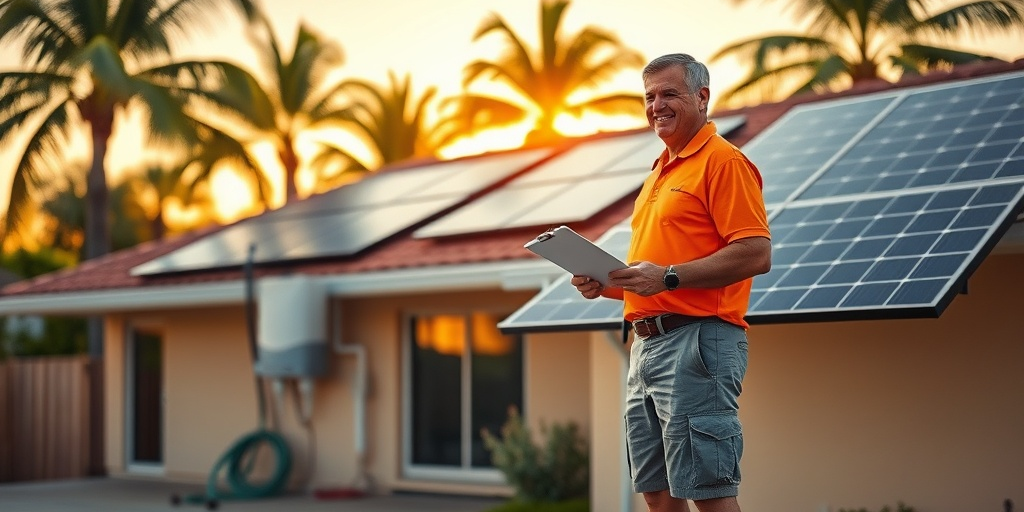
Are you ready to take control of your energy future? In Florida, the sun shines bright, promising untapped energy just waiting for transformation into savings. Did you know that solar energy could cut your electric bill by up to 50%? Or that over 95% of Florida residents are eligible for various solar incentives that can help you offset installation costs? These are just a few reasons why understanding the nuances of solar systems is critical now more than ever. In this in-depth analysis of grid-tied vs off-grid solar systems, we’ll delve deep into two distinct paths to solar ownership for Florida homeowners and commercial property owners alike in 2025.
The urgent need for affordable energy solutions is magnified by the rising energy costs, increasing grid instability, and the plethora of new solar incentives rolling out this year. As the residential solar market expands, finding the right solar solution customized to your needs is paramount. That’s where grid-tied and off-grid systems come into play. Throughout the following sections, we will explore:
- The Essential Differences Between Grid-Tied and Off-Grid Systems
- Practical Steps to Decide Which System is Right for You
- Common Myths About Solar Systems Debunked
- Florida’s Unique Considerations for Solar Energy
- A Technical Deep Dive into System Components and Their Functions
Let’s embark on a journey to demystify solar energy solutions. The future of sustainable energy starts here.
A Comprehensive Look at Grid-Tied and Off-Grid Solar Systems
Imagine waking up in sunny Florida to a morning filled with natural light, your home powered entirely by solar energy. The choice between grid-tied and off-grid solar systems significantly influences how you experience autonomy over your power. For instance, take the case of the Smith family in Orlando. After facing rising electricity bills, they wanted to explore solar energy. After an in-depth consultation with Florida Electric & Solar, they discovered that a grid-tied system would not only save money but also provide them with nearly uninterrupted access to their appliances, even during peak usage times.
The Smiths opted for a grid-tied system, which connects directly to the utility grid, allowing them to receive credits for excess energy produced during sunny days, a process known as net metering. By mid-year, they saw a reduction in their electricity bill from an average of $200 monthly to a mere $100, enjoying the benefits of solar power.
Checklist: How to Determine Which System is Best for You
Choosing between a grid-tied and an off-grid system requires careful consideration. Here’s a straightforward checklist to guide your decision:
- Step 1: Evaluate Your Energy Needs
Analyze your historical electricity usage. How much energy do you consume, and what appliances do you rely on the most?
- Step 2: Consider Your Location
How often does your area experience power outages? If you live in a region with unstable grid power, an off-grid system may suit you best.
- Step 3: Assess Financial Incentives
Look into local, state, and federal incentives for solar installation. Florida offers various credits and rebates that can significantly offset costs (DSIREUSA.org).
- Step 4: Determine Your Long-Term Goals
If you prioritize energy independence and can handle higher upfront costs, an off-grid solution is worth considering. On the other hand, if you want more flexibility without significant investment, a grid-tied system is optimal.
- Step 5: Consult with Experts
Engage with solar professionals who can provide tailored solutions based on your specific needs and property setup.
This checklist can serve as a roadmap to navigate the often confusing terrain between these two solar options. Understanding your needs upfront can lead to a more satisfying solar experience and maximize your solar savings.
Myth-Busting Common Misconceptions About Solar Systems
Many homeowners hold misconceptions about solar technology that can cause hesitation in making the switch. Let’s tackle these myths head-on:
- Myth #1: Solar Panels Only Work on Sunny Days
In reality, solar panels can generate electricity even on cloudy days, capturing indirect sunlight effectively.
- Myth #2: Solar is Too Expensive
With financing options, tax incentives, and decreasing equipment costs, solar energy is more affordable than ever before.
- Myth #3: Solar Power is Only for Eco-Conscious Homeowners
While eco-friendliness is a great benefit, reducing electricity bills and enhancing property value appeal to a broader audience.
- Myth #4: Off-Grid Homes Are Inconvenient
With advanced battery storage technology, off-grid lifestyles can enjoy the same comforts as traditional grid-powered homes.
- Myth #5: Solar Panels Decrease Home Value
Studies have shown that homes equipped with solar energy systems typically sell at a premium, appealing to a growing number of energy-conscious buyers.
By dispelling these myths, Florida homeowners can make informed decisions without fear, paving the way toward an energy-efficient future.
Understanding Florida’s Unique Solar Landscape
When considering solar power in Florida, it’s vital to be aware of the specific policies, incentives, and environmental factors influencing your decision. For example, Florida ranks among the top states for solar energy production, yet still has room for improvement compared to its potential (SEIA.org).
A few crucial facts to consider include:
- Florida’s solar energy potential is estimated to reach over 40,000 megawatts (SolarReviews.com).
- State incentives like the “Property Tax Exemption” mean homeowners can save thousands in taxes for installed solar energy systems.
- Florida homeowners can utilize net metering programs, further optimizing their return on investment.
Understanding these dynamics is critical for anyone contemplating going solar. A deep dive into Florida’s solar energy landscape will demonstrate not only the financial benefits but also the growing legislative support pushing the solar movement forward.
Technical Deep Dive: The Components of Solar Energy Systems
To truly understand the distinctions between grid-tied and off-grid solar systems, we must explore the technical components that drive performance:
1. Solar Panels
Solar panels convert sunlight into electricity, and their efficiency can vary significantly based on brand and model. Typically, higher-efficiency panels are more expensive but produce more energy in limited space.
2. Inverters
Inverters are essential for converting direct current (DC) electricity generated by solar panels into alternating current (AC) electricity, which is used to power home appliances. For grid-tied systems, string inverters are common; for off-grid systems, microinverters may be used to optimize energy generation.
3. Batteries
Batteries store excess energy for use during cloudy days or nighttime hours, especially critical for off-grid systems. The choice of battery technology—lithium-ion vs. lead-acid—can impact overall system performance and lifespan.
4. Racking Systems
The racking system holds the solar panels in place and can affect the angle and orientation relative to the sun, both of which are crucial for optimizing energy production.
5. Monitoring Systems
Monitoring technology allows homeowners to track their energy generation and usage in real-time, offering insights into performance and potential savings.
Understanding these components equips you with the knowledge necessary to make informed choices and enables you to maximize the benefits and efficiencies of your solar install.
Next Steps for Florida Solar Buyers in 2025
So, you’re ready to transition to solar energy? Here’s a detailed action plan to help guide you through the process:
- Step 1: Audit Your Electricity Bill
Identify your monthly usage patterns and costs to better understand your savings potential.
- Step 2: Research Your Options
Explore both grid-tied and off-grid systems to determine which aligns with your lifestyle and financial expectations.
- Step 3: Consult Professionals
Engaging a knowledgeable solar consultant from Florida Electric & Solar can provide invaluable insights to help make an informed decision.
- Step 4: Take Advantage of Incentives
Research any local or federal incentives available to shrink your initial investment.
- Step 5: Schedule Your Installation
Once you’ve chosen your system and financing options, schedule your installation and prepare to watch your savings grow!
This structured approach will smooth your transition into solar energy while empowering you with the knowledge needed to confidently take the first steps on your solar journey.
Conclusion
The path to going solar offers a unique opportunity to harness Florida’s abundant sunshine while reducing your dependence on traditional energy sources. By understanding the critical differences between grid-tied vs off-grid solar systems, you pave your way to energy independence. The financial incentives for solar adoption are compelling, particularly in light of the rising energy costs and grid instability projected in 2025.
With the landscape of solar energy constantly evolving, now is the perfect time to secure your family’s energy future. Don’t let myths and misconceptions hold you back; embrace the growth of solar power, where sustainability meets savings. Let Florida Electric & Solar guide you through this transformative journey.
Ready to start your solar journey in 2025? Connect with a certified expert at floridaelectricandsolar.com today.
Related Articles
More insights about Solar Systems

Myth: Residential Solar Systems Don’t Offer Real Savings

A Deep-Dive Into Grid-Tied vs Off-Grid Solar Systems

Myth: Residential vs Commercial Solar Systems Are the Same
Ready to Go Solar?
Have questions about solar energy? Our experts are here to help you make the switch to clean, renewable energy.