
Grid-Tied vs. Off-Grid Systems: The Essential Solar Comparison Guide
Share:
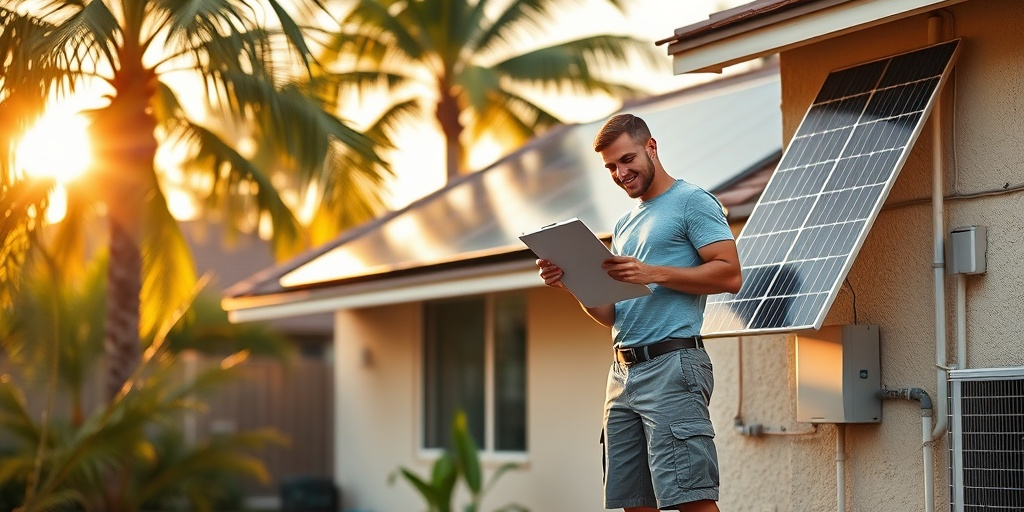
Imagine a sunny afternoon in Florida, where the vibrant sun shines down, and you can hear the gentle rustling of palm leaves. It’s a beautiful day—perfect for contemplating a significant shift in how you power your home or business. What if I told you that by harnessing this abundant sunlight, you could drastically cut your electric bills, reduce your carbon footprint, and increase your energy independence? As homeowners and property owners in sunny Florida, our days could be brighter if we embraced solar energy more fully.
This guide to “Grid-Tied vs. Off-Grid Systems: The Essential Solar Comparison Guide” comes at a critical juncture in 2025. With residential solar installations in Florida experiencing a record boom—more than 50% growth in just one year (SEIA.org)—the choices we face regarding the type of solar system can significantly impact our financial future and energy resilience. Additionally, according to a recent survey, nearly 65% of Floridians are considering switching to solar energy to gain independence from rising energy prices (Energy.gov). In light of these statistics, it’s vital to understand the distinction between grid-tied and off-grid systems and what each option means for you, particularly in a state prone to hurricanes and climate uncertainty.
In this comprehensive article, we will explore the following five sections:
- The Main Differences Between Grid-Tied and Off-Grid Systems
- Checklist for Choosing the Right Solar System
- Common Myths About Solar Power in Florida
- Local Considerations for Florida Homeowners
- Technical Deep-Dive into Solar Technology
Let’s delve deeper into the essential details that will empower you, as a Florida homeowner, to embark on your solar journey with confidence and clarity.
The Main Differences Between Grid-Tied and Off-Grid Systems
Understanding the key differences between grid-tied and off-grid systems is crucial for any homeowner or commercial property owner considering solar energy. Let’s start with a case study that highlights these distinctions.
Case Study: The Roberts Family’s Solar Journey
The Roberts family from Orlando faced rising electricity costs each summer. They decided to invest in a solar system to combat these expenses. After researching options, they were torn between a grid-tied system and an off-grid setup. Ultimately, they chose a grid-tied system due to its lower upfront costs, seamless integration with their utility, and the possibility of net metering. This choice allowed them to sell excess energy back to the grid, helping them save $3,000 in their first year alone.
Checklist of Key Points
- Initial Investment – Grid-tied systems tend to be cheaper because they don’t require energy storage solutions like batteries, while off-grid systems generally have higher setup costs.
- Energy Independence – Off-grid systems offer the ultimate in energy independence, suitable for remote areas. Conversely, grid-tied options depend on the existing utility grid.
- Backup Power Solutions – If the grid goes down, grid-tied systems may leave you without power unless they have a battery backup, while off-grid systems are independent of the grid.
- Return on Investment – Grid-tied systems generally offer a quicker ROI due to state incentives like Florida’s solar tax exemption and net metering (SolarReviews.com).
- Environmental Impact – Both systems reduce carbon footprints, but off-grid systems can promote self-sustainability by relying solely on renewable resources.
Florida provides specific incentives that make solar installations appealing today, such as a personal property tax exemption and incentives linked to the federal solar tax credit (DSIREUSA.org). Now, let’s delve further into some of the myths surrounding solar energy that often confuse homeowners.
Myths About Solar Power in Florida
Many misconceptions can cloud the decision-making process when switching to solar energy. Here’s a myth-busting section that aims to clarify these misunderstandings.
Myth #1: Solar Energy is Too Expensive
Contrary to common belief, the costs of solar panels have been steadily decreasing. In fact, the price of solar energy has dropped over 70% in the past decade, making it more accessible than ever (SEIA.org).
Myth #2: You Can’t Use Solar Power in Florida During the Rainy Season
While the rainy season presents challenges, grid-tied systems operate effectively even during cloudy weather. In fact, solar panels can still produce energy without direct sunlight.
Myth #3: Solar Panels Require a Lot of Maintenance
Most solar systems are low maintenance, requiring occasional cleaning and inspections to ensure optimal performance. Relying on an experienced installer can make upkeep straightforward.
Myth #4: You Must Have a South-Facing Roof for Solar
While south-facing roofs are ideal, other orientations can also succeed. Factors like the angle of the roof and shading from trees can affect performance but don’t exclude other options.
Myth #5: Off-Grid Systems Are the Only Way to Get Independence
Grid-tied systems provide homeowners with the ability to reduce their electricity bills significantly and provide an excellent ROI, contradicting the assumption that off-grid systems are the only solution to eliminating reliance on utility companies.
By overcoming these myths, homeowners can confidently make informed decisions. Now, let’s look at what specific Florida-based factors to consider when selecting a solar system.
Local Considerations for Florida Homeowners
Choosing a solar energy system comes with unique local considerations that Florida homeowners must navigate. Here’s a focused overview tailored to the Sunshine State.
- State Solar Incentives: Florida offers several incentives and credits that make solar an attractive option, such as the Residential Renewable Energy Tax Credit, allowing homeowners to deduct a percentage of their solar installation costs from federal taxes.
- Local Climate Impact: Florida’s humidity and frequent storms necessitate durable solar equipment built to withstand harsh weather. Investing in high-quality systems is imperative.
- Utility Regulations: Each utility provider in Florida has unique guidelines regarding net metering and interconnection policies. It’s crucial to understand these rules to maximize your savings.
- Rising Energy Costs: With energy prices in Florida projected to increase by 3% annually over the next decade (Energy.gov), going solar becomes an effective hedge against rising costs.
With so many benefits, it is clear that understanding Florida-specific factors plays a significant role in deciding between grid-tied and off-grid systems. Next, let’s take a technical deep dive into how these systems function.
Technical Deep-Dive into Solar Technology
The technical functionalities of solar systems are essential for determining which option suits you best. Let’s investigate components and how they work inside grid-tied and off-grid systems.
Components of a Solar System
- Solar Panels: The heart of any solar system, converting sunlight into electricity. With advancements in technology, today’s panels are highly efficient, maintaining productivity even on cloudy days.
- Inverter: This component transforms the direct current (DC) from panels into alternating current (AC), which powers household appliances. For off-grid systems, a battery inverter is essential to manage energy storage and usage.
- Battery Storage: Only necessary for off-grid systems, battery storage allows homeowners to store solar energy for use when sunshine is unavailable. Options vary, with lithium-ion batteries being popular due to their long lifespan and efficiency.
- Net Metering: For grid-tied systems, net metering enables homeowners to sell excess electricity back to the grid, credited on their energy bills, offsetting costs further (NREL.gov).
As you consider making a solar investment, grasping these components can assist in evaluating your energy needs. Now, let’s discuss an actionable plan for Floridians embarking on solar adaptation in 2025.
Next Steps for Florida Solar Buyers in 2025
Ready to take the leap into solar energy? Here’s a clear action plan that lays out steps you can take to make the transition smooth and rewarding.
- Step 1: Audit Your Electric Bill – Review past bills to understand your energy consumption and identify the savings potential.
- Step 2: Determine Your Energy Needs – Consult with professionals to assess your energy usage and requirements for accurate system sizing.
- Step 3: Research Solar Installation Companies – Look for qualified professionals with good reviews and understand their warranties and service standards.
- Step 4: Explore Financing Options – Analyze different financing avenues like loans, purchasing outright, or leasing to find what aligns best with your financial goals.
- Step 5: Stay Informed About Local Incentives – Keep track of any changes in state incentives and solar policies as they can greatly influence your decisions.
For expert guidance tailored to Florida homeowners, reach out to floridaelectricandsolar.com.
In conclusion, the decision between grid-tied and off-grid solar systems is more than just a technical choice; it is a powerful step toward energy independence, cost savings, and environmental responsibility. As energy costs soar and climate unpredictability becomes a reality, going solar is not just a trend; it’s a necessity. Understanding the strengths and weaknesses of each system empowers you to make informed decisions – a choice that can not only safeguard your financial future but also contribute to a sustainable planet for generations to come.
Ready to start your solar journey in 2025? Connect with a certified expert at floridaelectricandsolar.com today.
Related Articles
More insights about Grid-Tied Systems

Grid-Tied vs Off-Grid Systems: What You Need to Know

Technical Deep-Dive: Understanding Grid-Tied vs Off-Grid Solar Systems

Grid-Tied vs Off-Grid Systems: A Technical Deep-Dive for Florida Homeowners
Ready to Go Solar?
Have questions about solar energy? Our experts are here to help you make the switch to clean, renewable energy.