
Why Gulf State Homeowners Should Consider Solar for Commercial Properties
Share:
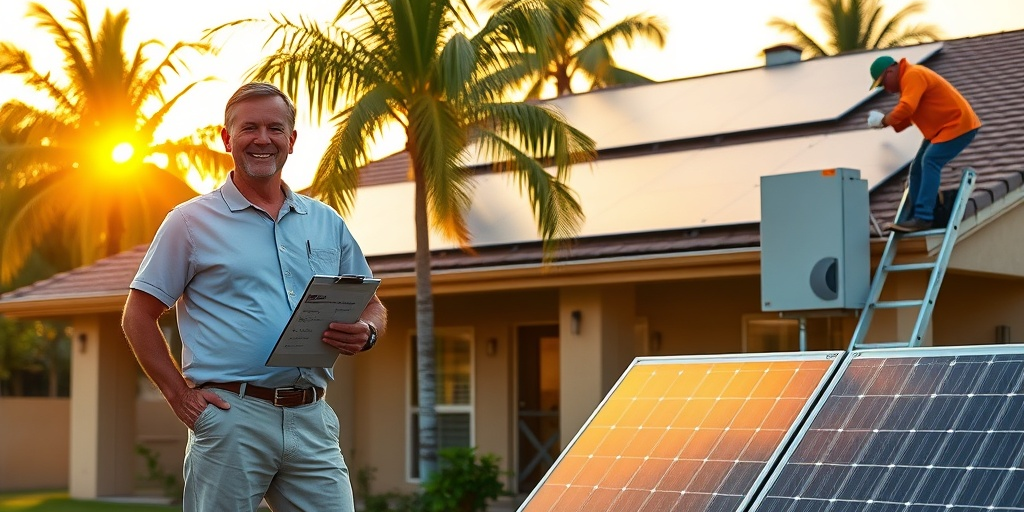
In 2025, many Gulf State homeowners are facing tough choices as they juggle rising energy costs and the need for sustainable living. Imagine if you could not only reduce your monthly power bills but also increase the value of your commercial property. Consider this: in Florida, electric rates have surged over 30% in the past decade, and experts predict that energy prices will continue to climb (Energy.gov). This is the perfect moment for savvy property owners to explore the wealth of benefits that solar energy offers. That’s why we’re diving deep into the topic: Why Gulf State Homeowners Should Consider Solar for Commercial Properties. Not just as an eco-friendly option, but as a solid financial investment that can boost your bottom line and optimize energy expenses now and in the future. As we proceed, you’ll discover the immediate relevance of solar energy in 2025, especially for commercial property owners like yourself. Let’s walk through what’s in store in the following sections: an inspiring case study, an actionable step-by-step checklist, a myth-busting section to clear the air on common misconceptions, a focus on local nuances in Florida, and finally a deep dive into the technical aspects of solar energy systems.
Solar Success: A Case Study from a Florida Commercial Property Owner
Meet Maria, a dedicated owner of a thriving café in Tampa, Florida. Maria has always been passionate about serving her community, but she was blindsided by ever-increasing operational costs—especially her electric bill. Over time, she found herself spending more than $2,000 each month on energy. During a routine discussion with fellow business owners, she heard about the positive experiences of those who had made the switch to solar energy. As skepticism crept in, Maria decided to investigate further.
After consulting with local solar experts, Maria learned that the initial investment would pay off in ways she hadn’t considered. Manufacturers now offer panels with warranties lasting up to 25 years. Additionally, solar panels can increase the property value by an estimated 4-5% (SolarReviews.com). With these statistics, Maria decided to move forward and install a commercial solar system. She was surprised to discover several available financing options, including the federal Investment Tax Credit (ITC), which allows for a tax deduction of 26% off the total cost of the installation (SEIA.org).
As her solar panels went live, Maria’s energy savings began to materialize almost immediately. Within months, she saw a drastic reduction in her electricity bills—by about 70%! Furthermore, the café could now promote its commitment to sustainability, attracting a steadily growing base of eco-conscious customers. As word spread, her revenue increased, showcasing the amazing opportunity solar energy presents not just in cost savings, but in driving foot traffic and sales.
Maria’s story exemplifies how adopting solar energy can transform not only the financial landscape for commercial properties but also align them with broader community values. Her annual savings meant an additional $15,000 kept in the business that could now be reinvested into training, equipment, or even more sustainable initiatives. The bottom line? The investment she made paid off quicker than expected, energizing her commercial property with newfound benefits. From Maria’s experience, we can extract some key considerations for Florida Gulf State homeowners weighing their options regarding solar energy.
Five Steps to Transitioning Your Commercial Property to Solar
If Maria’s story resonates with you, it’s crucial to understand the various steps involved in transitioning your commercial property to solar energy. Here’s a clear and actionable checklist to guide you through the process of going solar.
- Step 1: Assess Your Energy Needs
Begin by analyzing your energy usage—look for ways to understand your monthly electricity expenses. Gather past utility bills for the last year, and check for seasonal fluctuations. Knowing your energy consumption will help you size your solar system more accurately. - Step 2: Explore Incentives and Funding Options
In Florida, several programs exist that can significantly reduce your upfront costs, including federal tax credits, local incentives, and financing options available for commercial properties. Visit floridaelectricandsolar.com to learn about current programs tailored for Gulf State homeowners. - Step 3: Find a Reputable Solar Installer
Conduct research on local solar providers, reading reviews and getting multiple quotes. Look for a company with a proven track record in commercial installations. You might also want to check if the company holds necessary licenses and certifications. - Step 4: Design Your Solar System
Your solar provider will help design a solar system based on your energy needs, rooftop size, and potential shading issues. They will also guide you through selecting the right type of panels and inverters that suit your specifications. - Step 5: Install and Maintain Your System
Once you’ve signed the contract, the installation process generally takes a few days to weeks. Post-installation, regular maintenance is vital to ensure maximum efficiency. Research what upkeep will be necessary and how frequently inspections might be needed.
Myths about Solar Energy Debunked
Despite the encouraging trends surrounding solar energy, there are still pervasive myths that deter Gulf State homeowners from making the leap. Here’s our myth-busting section aimed at clearing the air and providing clarity!
- Myth #1: Solar Energy is Too Expensive
While the upfront cost of solar systems can seem daunting, incentives like the federal ITC reduce initial prices significantly. Additionally, many financing options allow commercial property owners to install solar without breaking the bank (SEIA.org). - Myth #2: Solar Panels Need to Be Replaced Frequently
In reality, the lifespan of solar panels typically spans 25 years thanks to advancements in technology. Often, warranties will extend to cover damages, ensuring you won’t incur regular replacement costs. - Myth #3: Solar Energy Doesn’t Work in Florida’s Cloudy Days
Florida is among the top states for solar generation due to its abundant sunlight. In fact, even on cloudy or rainy days, solar panels can generate energy—often as much as 80% of their maximum potential (NREL.gov). - Myth #4: Solar Systems Are Only Suitable for Large Businesses
Solar energy can be tailored to fit any size property—from small cafés to sprawling warehouses. Local incentives ensure that even small business owners can take advantage of solar power. - Myth #5: Solar Panel Maintenance is a Hassle
The maintenance of solar panels typically involves occasional cleaning and inspections—making them a low-maintenance option compared to many traditional energy sources!
Understanding Florida’s Solar Landscape
Amid the endless possibilities for deploying solar technology, it’s essential to understand the structure of Florida’s solar market. In 2025, as energy costs soar, solar adoption looks to be a dominant player. Here are some pertinent insights about Florida’s unique position in the solar landscape.
- Net Metering Policies
Florida supports net metering, allowing property owners to receive credit for excess energy produced. This dynamic means every kilowatt-hour generated beyond your consumption is credited toward future energy bills, leading to potential savings (SolarFlorida.org). - Residential vs. Commercial Focus
While many Floridians think of residential solar, the commercial sector experiences remarkable growth due to advancements in technology and attractive financial incentives tailored for businesses. - Incentives
Florida has extensive incentives available, including the Property Assessed Clean Energy (PACE) financing program and various state tax credits that help businesses invest in solar without significant upfront expenses. - Growth Projections
Solar energy in Florida is projected to grow exponentially, thanks to supportive policies and creative financing options driving the market (Energy.gov).
Next Steps for Florida Solar Buyers in 2025
Congratulations on learning about the enormous potential solar energy offers for commercial properties. Now that you’re equipped with knowledge, let’s map out your action plan in a simple checklist format to ensure a smooth transition to solar.
- Step 1: Schedule an Energy Audit
Get a professional energy audit to identify your power consumption and efficiency needs. It’s essential to confirm how solar energy can meet those demands effectively. - Step 2: Research Available Incentives
Review the federal, state, and local incentives that you may qualify for, such as the ITC and financing options that can reduce costs (visit floridaelectricandsolar.com for more details). - Step 3: Set Your Budget
Determine how much you’re willing to invest in a solar system. Take into consideration potential savings and tax incentives; often, the return on investment is significant. - Step 4: Select a Solar Provider
Vet local solar providers based on their experience, reviews, and the warranties they offer. Building trust and rapport is paramount for a successful project. - Step 5: Start Your Solar Journey
Initiate your installation—schedule the work and familiarize yourself with the maintenance requirements for optimal performance post-installation.
In conclusion, as a Gulf State homeowner considering solar solutions for your commercial property, the time to act is now. The emotional journey through Maria’s story exemplifies the transformative power of solar energy—not just in financial terms, but also in aligning with sustainable living expectations from customers and communities alike. Extending beyond mere cost savings, investing in solar energy in 2025 encapsulates a broader commitment to the environment and future generations. The remarkable incentives combined with local sunshine create a golden opportunity for leveraging this essential renewable resource. Every step taken brings you closer to owning your power, reducing electric bills, and securing a brighter future for your business. Ready to start your solar journey in 2025? Connect with a certified expert at floridaelectricandsolar.com today.
Related Articles
More insights about Solar

What Are the Key Benefits of Solar for Commercial Properties?

Why Gulf Coast Residents Should Explore Solar for Commercial Properties

Why Gulf Coast Residents Should Consider Solar for Commercial Properties
Ready to Go Solar?
Have questions about solar energy? Our experts are here to help you make the switch to clean, renewable energy.