
How One Florida Family Achieved Energy Independence with Solar
Share:
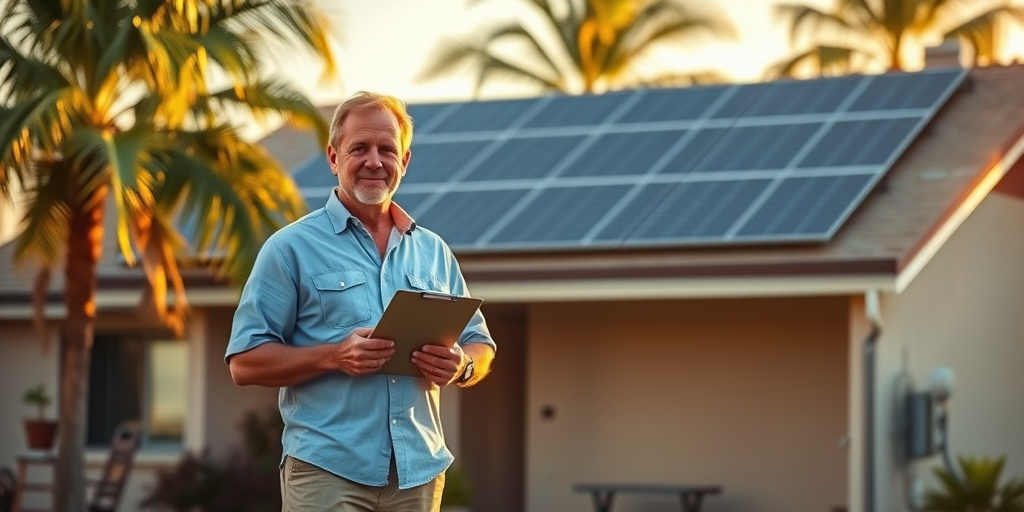
As the sun rises over the horizon, the state of Florida is often awash in golden light—an illuminating reminder of why this state could lead the charge in renewable energy. Did you know that over **90,000 Florida homeowners** have already taken the leap towards solar energy? That’s a staggering increase of nearly **25% within the last two years alone** (SEIA.org). Yet, with all the benefits of going solar, many still question whether this transformative technology is feasible for them. Enter the inspiring story of the Martinez family from Orlando, who, just last year, took a bold step towards energy independence. In this blog post entitled, How One Florida Family Achieved Energy Independence with Solar, we will explore how their journey transformed not only their home but their lives.
With the urgency surrounding energy costs rising and 2025 bringing new incentives and policies supportive of solar, the time to consider going solar is now. As Floridians face escalating electric bills—averaging around **$132 per month** across the state (Energy.gov)—the allure of self-sufficiency through solar technology has never been more compelling. Moreover, Florida’s net metering laws allow system owners to receive credits for excess power sold back to the grid, further enhancing the investment into solar energy.
This post will delve into five compelling sections:
- An emotionally charged case study of the Martinez family and their path to solar energy independence.
- A practical checklist to help you get started with your own solar journey.
- Common myths debunked to dispel fears and confusion surrounding solar power.
- An exploration of Florida-specific incentives and advantages, highlighting local statistics.
- A deep dive into the technical aspects of solar installations, from types of panels to sophisticated billing systems.
Get ready to discover how solar energy can empower homeowners across Florida, just as it has for the Martinez family.
How the Martinez Family Found Their Path to Energy Independence
Meet the Martinez family—a quintessential Florida household eager to tame their soaring energy bills and take control of their energy consumption. For years, Maria and Luis Martinez looked on as their electricity expenses ballooned, consuming nearly **11%** of their monthly budget (U.S. Energy Information Administration). With two children and a commitment to sustainable living, they were motivated to make a remarkable change. Their search led them to consider solar energy—a choice that could potentially ease their financial burden while aligning with their eco-friendly values.
In early 2024, they made the leap and partnered with Florida Electric & Solar to install a custom solar energy system designed to meet their household’s needs. This included **20 high-efficiency solar panels**, enabling them to harness the sun’s abundant energy right at their home, resulting in a projected **70% reduction in their energy costs**. Many prospective solar buyers still hold onto misconceptions regarding the reliability and efficiency of solar systems. However, the Martinez family learned first-hand through their solar installation journey, that it’s a tangible solution, backed by data and experience.
Throughout the process, the family engaged in comprehensive education about the components of their system. They learned about solar panels, inverters, and battery storage options. Each aspect plays a vital role in ensuring their journey toward energy independence remains steadfast. They understood that technological advancements in solar energy make it not merely efficient but almost essential for budget-smart solutions in today’s economy.
However, the story does not end with the installation. The Martinez family worked hand-in-hand with Florida Electric & Solar to optimize their solar power management. They took advantage of grid-tied systems, allowing them to use energy when needed and send excess back to the grid, thus creating additional savings. The family’s commitment to understanding their system paid off significantly. According to the Solar Energy Industries Association (SEIA.org), systems like theirs yield returns of approximately **20% annually**, making solar installations not just sustainable options, but sound financial investments.
The Martinez family’s dedicated approach inspired their neighbors and friends, sparking conversations about energy independence across their community. Their experience clarifies a valuable lesson for Florida homeowners: investing in solar is not merely a technological upgrade; it transforms lives, reducing financial stress while paving the way for a greener future.
Your Solar Journey: A Step-by-Step Checklist
Taking the plunge into solar energy can seem daunting, but following a structured approach can simplify the experience. Here’s a helpful checklist that mirrors the journey taken by the Martinez family, providing you with actionable steps to achieve your own solar energy independence.
- Step 1: Assess Your Energy Needs
Understanding your household’s energy consumption is paramount. Review your electric bills for the past 12 months to estimate your average energy usage. This will help you determine the size and type of solar system that will best meet your needs. - Step 2: Research and Compare Solar Providers
Research various solar providers in Florida. Evaluate them based on customer reviews, available products, financing options, and warranty terms. The Martinez family chose Florida Electric & Solar for their strong customer service and high-quality installations. Don’t hesitate to ask for references and customer testimonials. - Step 3: Understand Financial Incentives
Make sure to familiarize yourself with Florida’s solar incentives. The **Federal Solar Investment Tax Credit (ITC)** allows you to deduct **26%** of the installation cost from your federal taxes (Energy.gov). Additionally, investigate state and local incentives that can significantly boost your return on investment. - Step 4: Schedule an Installation
Once you’ve selected a provider, the next step is to schedule a site assessment and installation. Experienced teams will evaluate your roof’s orientation, shading, and structure to ensure optimal panel placement for maximum efficiency, just like the team did for the Martinez family. - Step 5: Monitor and Maintain Your System
Post-installation, it’s crucial to monitor your solar system’s performance. Many newer systems come with monitoring apps that provide real-time data on energy production. Regular maintenance checks ensure everything is running smoothly and efficiently.
By following these steps, you also have the potential to mimic the impressive savings the Martinez family has seen, making solar energy a formidable solution for Florida homeowners.
Common Myths About Solar Energy—Busted!
Solar energy is often clouded by misconceptions that can deter homeowners from making the switch. Let’s debunk some common myths to help you understand the truth behind solar power.
- Myth #1: Solar Panels Don’t Work on Cloudy Days
Many people believe solar energy is ineffective when it’s cloudy. In reality, solar panels can still generate energy from indirect sunlight and are capable of functioning effectively in various weather conditions, including on cloudy or rainy days (SolarReviews.com). - Myth #2: Solar Energy Is Too Expensive
While upfront costs can be significant, the long-term savings on electric bills and incentives significantly offset those initial expenses. As the Martinez family discovered, financing options and tax rebates can further reduce the net cost of installation. - Myth #3: You Can’t Go Solar with a Rooftop Shaded by Trees
If your roof is shaded, creative solutions such as ground-mounted solar installations or installing solar panels on less shaded sections of your roof may still allow you to enjoy the benefits of solar energy. - Myth #4: Solar Energy Is Bad for the Environment
Contrary to this belief, solar energy is one of the cleanest forms of energy and significantly reduces your reliance on fossil fuels, translating into lower carbon emissions over time. - Myth #5: Solar Panels Require Too Much Maintenance
Most solar energy systems require minimal maintenance. Regularly checking for debris, ensuring panels are clean, and an occasional professional inspection can keep your system performing optimally for decades.
By understanding and debunking these myths, you can confidently take steps toward implementing solar energy solutions in your Florida home.
Why Florida is Perfect for Solar Energy
Florida is known as the Sunshine State for a good reason. With an average of **237 sunny days per year**, it stands out as one of the leading states for solar energy production (Energy.gov). The abundance of sunlight makes it a prime target for solar energy solutions, providing residential homeowners excellent opportunities to capitalize on this resource. Here are a few compelling reasons why Florida homeowners should consider solar power:
- Ample Sunshine: The high solar irradiance levels in Florida mean that solar panels can generate more energy, making returns more rewarding.
- Net Metering Schemes: Florida’s net metering policies offer credit for excess energy production, lowering electric bills further and increasing the payoff for solar investments.
- Strong State Incentives: Florida’s solar rebate program and no state income tax can lead to significant savings for solar system owners.
- Increasing Technological Advancements: Innovations in solar technology have drastically improved the effectiveness and efficiency of solar energy systems, making them more accessible than ever.
- Community Awareness and Support: As solar energy becomes more popular, local communities rally around initiatives and educational programs to enhance understanding and access to this renewable technology.
The combination of these elements creates a favorable environment for adopting solar energy in Florida. The Martinez family’s story exemplifies how powerful a transition to solar can be and reflects the larger trend towards embracing renewable energy solutions in their state.
The Technical Side: How Solar Systems Work
Understanding the technology behind solar installations is crucial before making the leap towards energy independence. Here’s a deep dive into the core components of a solar energy system:
- Solar Panels: The heart of the system, solar panels convert sunlight into electricity using photovoltaic cells. Homeowners typically can choose between monocrystalline, polycrystalline, and thin-film panels, each with unique advantages.
- Inverters: Inverters play a critical role by converting the direct current (DC) produced by solar panels into alternating current (AC), which is usable in homes. String inverters, microinverters, and power optimizers represent various inverter options, each impacting the system’s efficiency.
- Batteries: Some installations include energy storage systems (batteries) that store excess energy generated during the day for use at night or during low production periods. Home battery systems like the Tesla Powerwall offer robust storage solutions.
- Mounting Systems: These structures secure solar panels to rooftops or the ground. They can be installed on different roof types (flat, sloped) or as standalone ground-mounted systems, optimally positioned to capture sunlight.
- Monitoring Systems: With IoT technologies, modern solar systems come with monitoring capabilities that allow homeowners to track power generation and use directly from their smartphones or computers.
As you evaluate your options, consider factors such as how these components work together, system warranties, and what maintenance might be required moving forward. The desire to achieve energy independence is an empowering decision, and understanding the underlying technology ensures a smooth transition towards this sustainable future.
Next Steps for Florida Solar Buyers in 2025
Now that you’ve gained insight into the opportunities and processes surrounding solar energy, it’s time to take actionable steps toward implementing your solar energy system. Here’s a straightforward plan to guide you through the journey:
- Step 1: Audit Your Electric Bill
Review your past electric bills to determine your energy needs and identify how much you could save with solar energy. You may find significant room for financial improvement. - Step 2: Conduct Research
Identify solar providers in your area, such as Florida Electric & Solar, that will meet your needs and allow you to compare services, prices, and reviews. - Step 3: Assessment and Proposal
Schedule a consultation with selected solar providers for site assessment, proposal estimates, and detailed explanations of the equipment they recommend. - Step 4: Secure Financing Options
Determine your budget and understand available financing options. Research potential tax credits and rebates to maximize your savings. - Step 5: Installation and Offsetting Energy Costs
Once the installation is complete, monitor your system regularly to ensure optimal performance. Engage with your solar provider for maintenance and any needed adjustments.
By following these steps, you are not just investing in solar technology but actively participating in a sustainable energy future for Florida.
In conclusion, the journey to solar independence represents much more than a simple investment. The Martinez family’s experience is a testament to what is possible when you harness the sun’s energy to meet your household’s needs, reduce your electric bills, and contribute to a greener planet. With credible data supporting the shift towards solar, the growing number of Floridians adopting this technology underscores its potential. Remember, the urgency lies with the rising cost of electricity and the viable incentives available, making 2025 the perfect year to consider solar energy. Ready to start your solar journey in 2025? Connect with a certified expert at floridaelectricandsolar.com today.
Related Articles
More insights about Solar

What Are the Key Benefits of Solar for Commercial Properties?

Why Gulf Coast Residents Should Explore Solar for Commercial Properties

Why Gulf Coast Residents Should Consider Solar for Commercial Properties
Ready to Go Solar?
Have questions about solar energy? Our experts are here to help you make the switch to clean, renewable energy.