
How One Florida Homeowner Secured Energy Independence with Solar
Share:
“`html
Have you considered the possibility of achieving true energy independence? For many Florida homeowners, this dream is becoming a reality thanks to solar power. In fact, a recent report indicated that solar energy capacity in Florida grew by over 35% in just 2022 alone, a sign of a rapidly expanding renewable market (SEIA.org). As we approach 2025, the time is ripe for making a smart switch to solar energy—especially as electricity costs continue to surge. In this article titled How One Florida Homeowner Secured Energy Independence with Solar, we will share inspiring insights from a real Florida homeowner who took the leap into solar and transformed their energy landscape forever. The urgency is clear: if you want to take advantage of new solar incentives and stabilize your energy costs, now is the time to act.
We’ll delve into five key sections designed to equip you with knowledge and action steps:
- Case Study: Discover the incredible story of a Florida homeowner and their journey to energy self-sufficiency.
- Checklist: A step-by-step guide to preparing for your solar installation.
- Myth-Buster: Tackle common misconceptions about solar energy head-on.
- Local Focus: Understand Florida-specific policies and incentives.
- Technical Deep-Dive: Explore the intricate details of solar technology and installation processes.
The world of solar energy is not just a future possibility; it is a current opportunity. Let’s dive deep into how one Florida homeowner turned their energy independence dream into a reality.
How One Florida Homeowner Transformed Their Energy Future with Solar
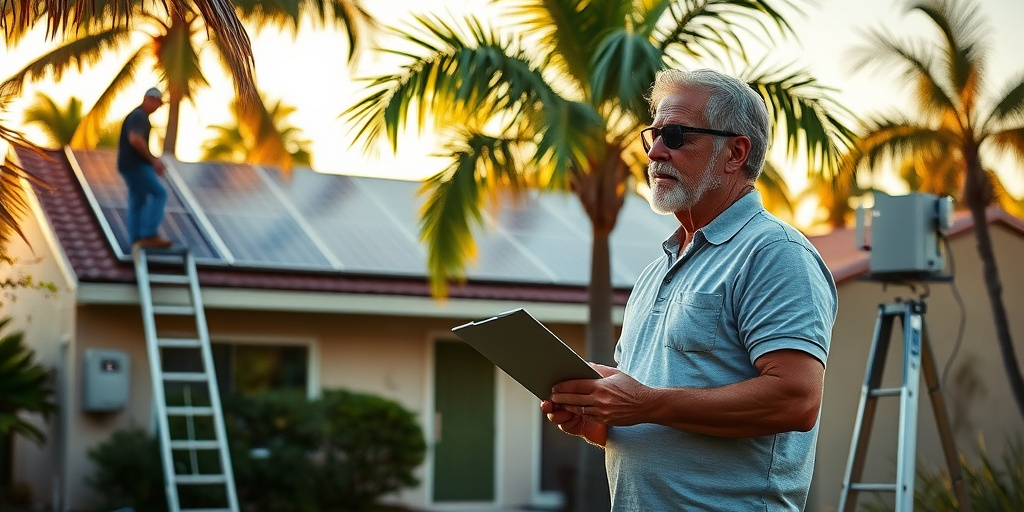
Meet Sarah, a dedicated Florida homeowner, who found herself paying exorbitant electric bills year after year. Like countless others in the Sunshine State, Sarah felt the weight of rising energy prices and the lack of control over her electricity expenses. After watching her neighbor successfully install solar panels, she felt inspired to explore this option herself. What began as a search for financial relief quickly transformed into a heartfelt mission to secure energy independence for herself and her family.
In 2023, Sarah took the first step: she contacted a trusted solar energy provider, Florida Electric & Solar, to schedule an initial consultation. During this meeting, her representative explained how solar energy works, showcasing how the average solar panel can reduce electric bills by approximately $1,500 annually over its lifetime (SolarReviews.com). With immediate and long-term savings in sight, Sarah decided to move forward with the installation process.
In creating a checklist for her solar journey, Sarah learned quickly how to navigate the process step-by-step. She first assessed her home’s solar potential, ensuring she qualified for the best system. The number one rule? You need about 300 square feet of roof space per kilowatt of solar energy you hope to generate. Secondly, she considered the types of panels—did she want monocrystalline or polycrystalline? She was adamant about choosing high-efficiency panels, which have longer lifespans and produce more energy.
Despite common myths surrounding solar power usage in cloudy Florida, Sarah discovered that solar energy systems can produce electricity even on overcast days. This challenged widespread perceptions that reliance on solar is futile due to weather conditions. In fact, Florida ranks third in the nation for installed solar capacity (SEIA.org), underscoring the effectiveness of solar in this sunny state. With Sarah’s anticipation regaining momentum, her journey pressed on.
Overall, the installation took only a few days. With the help of experts from Florida Electric & Solar, Sarah’s home was transformed, now powered by the sunshine that bathed her house daily. Not only did she reduce her reliance on the grid, but she was empowered with a financial strategy to combat rising utility rates.
This case study showcases not just one homeowner’s experience but reflects the broader narrative of Florida homeowners taking control of their energy futures. As they follow similar paths, individuals are transforming their living spaces into energy-efficient havens.
5 Essential Steps to Prepare for Your Solar Installation
Are you ready to join the ranks of empowered Florida homeowners and follow in Sarah’s footsteps? Preparing for a solar installation involves clear and methodical steps. Here’s a handy checklist to guide your process:
- Step 1: Analyze Your Energy Consumption
Review your past utility bills to determine your average electricity usage. This analysis will help you calculate the size of the solar system you will need. - Step 2: Evaluate Your Property
Check your roof for factors that affect solar potential, including shading from trees or buildings, roof condition, and orientation. Homes facing south receive the most solar exposure. - Step 3: Research Local Incentives
Look into Florida’s Solar Energy Sales Tax Exemption, Florida’s Property Tax Exemption for Renewable Energy Improvements, and available rebates to support your investment. - Step 4: Choose the Right Solar Installer
Partner with an experienced solar provider such as Florida Electric & Solar. Research customer reviews and ask for quotes to ensure you are making the best choice. - Step 5: Get Your Financing in Order
Explore options for financing your solar system—whether through a loan, lease, or Power Purchase Agreement (PPA). Understand the difference so you can choose what works best for you.
Following these steps not only speeds up your solar transition; it empowers you to make informed decisions about your energy future. Have confidence in choosing solar and navigate your unique circumstances effectively by reaching out to a trusted provider. You can start your journey today by visiting floridaelectricandsolar.com.
Myth-Busting Common Misconceptions about Solar Energy
Let’s set the record straight on solar energy. Despite its popularity, several myths persist, hindering homeowners from making the leap toward energy independence. Here are some of the most common misconceptions debunked:
- Myth #1: Solar Panels Don’t Work During Cloudy Days
Contrary to popular belief, solar panels can generate power even when the sun isn’t shining brightly. They thrive in diffused sunlight, making Florida’s cloudy days still viable for energy production. - Myth #2: Solar is Too Expensive
While the upfront cost can seem daunting, many financing options and tax incentives drastically reduce final costs. Solar home values increase, ultimately making it a smart real estate investment. - Myth #3: Solar Panels Require Too Much Maintenance
Solar panels require minimal upkeep, with routine inspections recommended only once a year. If they are kept clean and free of debris, they can last for decades with little maintenance. - Myth #4: You Can’t Use Solar Energy at Night
Many homeowners are stunned to learn that battery storage solutions allow you to use solar power even at night. Investing in battery systems enables energy independence around the clock. - Myth #5: All Solar Providers Are the Same
Choosing a reputable and experienced solar provider makes a significant difference in the installation process and final results. Researching reviews and ratings is vital to ensuring quality.
Setting aside these myths allows Florida homeowners to embrace solar energy’s true potential. As the advantages become clearer, more residents will capitalize on their newfound energy independence.
Florida-Specific Incentives and Policies
To maximize your solar investment, understanding the unique landscape of Florida’s incentives and regulations is crucial. The state is known for implementing favorable policies that make solar more accessible to residents. Here are key initiatives to consider:
- Solar Energy System Property Tax Exemption: This exemption allows homeowners to install solar energy systems without additional property taxes, reducing overall ownership costs.
- Florida Solar Energy Sales Tax Exemption: Buyers of solar panels and equipment can enjoy a complete exemption from sales tax, making installations more affordable.
- Net Metering: Florida utilities offer net metering, enabling homeowners to receive credits for surplus energy produced. This effectively allows you to reduce your electric bill.
- Statewide Solar Incentives: Various counties and cities offer additional rebates and incentive programs. Check your local government’s offerings to maximize your savings.
Make sure to stay updated with the latest resources from Florida Electric & Solar to ensure you leverage all available benefits and strategies.
The Technical Breakdown: Understanding Your Solar System
A solar system installation is not just about placing panels on your roof; it involves a complex arrangement of technologies working together cohesively. Here are the essential components that make a solar power system effective:
- Solar Panels: The heart of your solar system, these convert sunlight into usable electricity. There are different types of panels such as monocrystalline, polycrystalline, and thin-film, each catering to different efficiency and budget needs.
- Inverters: Inverters are vital for converting the direct current (DC) generated by the solar panels into alternating current (AC) for consumption.
- Mounting Systems: Properly securing panels to your roof—which can be pitched or flat—is key to maximizing sun exposure and minimizing risks from weather elements.
- Battery Storage: Optional battery systems provide energy storage, allowing homeowners to use stored energy during non-sunny hours or during outages.
- Smart Meters: These devices provide real-time monitoring of energy consumption, allowing you to stay in control of usage and savings.
Understanding these components helps you appreciate how solar energy systems function and illustrates the benefits of investing in cutting-edge technology. With accurate knowledge, you are empowered to ask pertinent questions when consulting with providers.
Next Steps for Florida Solar Buyers in 2025
Are you convinced? Ready to break free from rising energy costs? Here’s a practical action plan for Florida homeowners to transition to solar in 2025:
- Step 1: Audit Your Electric Bill
Track your energy consumption over a few months to understand your needs and identify patterns. - Step 2: Take Advantage of Incentives
Research which state and local incentives can ease upfront costs and make your solar investment more feasible. - Step 3: Schedule Consultations
Book meetings with multiple solar providers to compare quotes, services, warranties, and experiences. - Step 4: Assess Your Financing Options
Evaluate different payment structures—loan, lease, or PPA—to select the best aligned with your financial strengths. - Step 5: Finalize the Installation
Once everything is set, it’s time to sign the contract and schedule your installation. Enjoy watching your energy independence come to life!
By following this step-by-step plan, you can empower yourself to embark on a journey toward solar energy. The future is bright for Florida homeowners willing to switch to renewable energy sources—you do not want to miss out on these benefits! Begin now by checking out floridaelectricandsolar.com.
In conclusion, achieving energy independence through solar power is not merely a possibility; it’s an ever-growing reality for Florida homeowners. By taking the timely steps outlined, individuals like Sarah are paving the way for a self-sufficient future rich with savings, environmental benefits, and personal control over their energy sources. The urgency to act is palpable—rising electricity rates and climate change present challenges that can be met by transitioning to solar energy.
Will you take that leap? The journey toward energy independence is not just beneficial; it is becoming essential. Let the experiences of successful individuals inspire you to make informed decisions for your home. Ready to start your solar journey in 2025? Connect with a certified expert at floridaelectricandsolar.com today.
“`
Related Articles
More insights about Solar

What Are the Key Benefits of Solar for Commercial Properties?

Why Gulf Coast Residents Should Explore Solar for Commercial Properties

Why Gulf Coast Residents Should Consider Solar for Commercial Properties
Ready to Go Solar?
Have questions about solar energy? Our experts are here to help you make the switch to clean, renewable energy.