
How One Florida Family Benefited from Solar Battery Storage
Share:
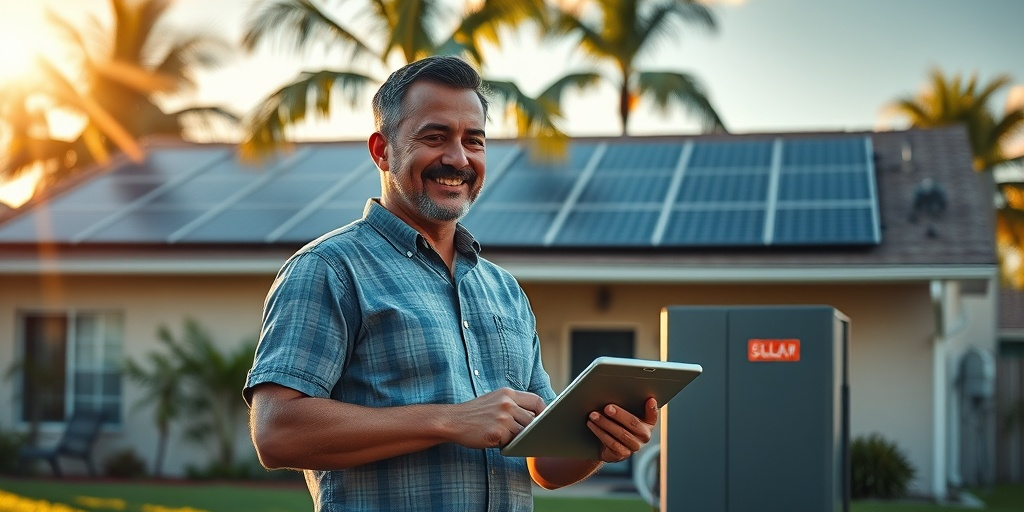
In the sunny landscape of Florida, an astonishing number of homeowners are turning to solar power in grasping the opportunity to save on energy costs while reducing their carbon footprint. Did you know that in Florida, approximately 88% of homeowners believe solar energy is a viable solution to mitigate rising electricity bills? This is more than just a number; it’s a growing movement as Floridians see the advantages of harnessing the abundant sunshine that graces the state nearly all year round (SEIA.org). With the implementation of improved solar incentives in 2025, including increased tax credits and rebates, the stage is set for solar adoption like never before. In this post, we’ll explore how one Florida family benefited from solar battery storage—a transformative technology that not only optimizes energy consumption but leads to remarkable savings on energy costs, empowering the family to take control of their energy needs.
Welcome to the detailed narrative titled How One Florida Family Benefited from Solar Battery Storage. Throughout this post, we will dive deep into their journey, explore actionable steps you can take to begin your solar journey, debunk common myths surrounding solar battery storage, focus on local statistics relevant to Florida homeowners, and offer expert insights into the technology fueling this sustainable future. In a world where electric prices are predicted to rise by 10% annually, the time to consider solar alternatives is now, more than ever. Join us for valuable insights and step-by-step guidance, empowering you to embrace solar energy fully before the year turns!
Delving into the Story: A Florida Family’s Transformation with Solar Battery Storage
Meet the Martinez family, proud residents of sunny Orlando. When they made the bold decision to install solar panels funded by a loan, they had high hopes of reducing their dependence on the increasingly unpredictable grid. However, it was just when they added battery storage to their system that they began to experience the real magic of solar. The Martinez family saw their energy bills drop from approximately $300 to just $50 per month. What made this leap possible? The combination of solar technology with battery storage allowed them to harness the power of the sun and reduce their reliance on their energy provider, especially during peak hours when electricity prices soared (Energy.gov).
Initially wary about the upfront costs of installation, the family took the leap, partly due to the added peace of mind offered by battery storage. Floridians enjoy one of the most generous solar tax incentives in the nation, particularly with the federal tax credit scheduled to expire soon. In 2023, more than 34% of the installation costs can be deducted from your federal taxes if you invest in solar (SolarReviews.com). By combining this incentive with the efficiency of a solar battery system, the Martinez family felt confident and empowered by their decision. They were ready to own their power.
As the family dove deeper into their solar journey, they found that battery storage offered several critical advantages. The backup power provided by solar batteries ensures that they can continue to use their most essential appliances during grid outages. Especially in Florida, where hurricanes can disrupt power distribution, this feature alone provided a strong sense of security (DSIREUSA.org). They took comfort in knowing that during storm season, they would be prepared, ultimately leading them to embrace a lifestyle rooted in sustainable energy.
But, like any educational story, this case isn’t only about the technical benefits; it’s grounded in personal experiences. The Martinez family no longer saw their electricity bills as an unchangeable burden. Instead, they embraced proactive management of their energy resources, taking steps to maximize savings and minimize waste. From programming their energy-intensive devices during peak sunlight hours to utilizing energy-efficient appliances, they became true energy stewards within their household.
Five Essential Steps to Start Your Solar Journey
Are you inspired by the Martinez family’s story? If you want to explore the advantages of solar battery storage like they did, here are five essential steps to help you along the way:
- Step 1: Audit Your Electric Bill — Start by reviewing your electric bill to understand your average usage and how much you’re spending on energy each month. Knowing this can help illuminate potential savings.
- Step 2: Assess Your Roof for Solar Potential — Evaluate the suitability of your roof for solar panel installation. Factors like roof orientation and shading should be considered. Consult a professional to determine the best placement.
- Step 3: Research Solar Installation Companies — Take the time to research and compare different solar installation providers. Look at testimonials, ask for referrals, and consider any warranties offered.
- Step 4: Investigate Financing Options — Understand your financing options, including leases, loans, and outright purchases. Look for tax credits and rebates that can reduce your initial investment in solar.
- Step 5: Monitor and Optimize Usage — Once installed, monitor your system’s performance and make adjustments as necessary to maximize your savings. Establishing a routine for checking your battery levels and solar usage can go a long way.
You may also consider contacting professionals for assistance with understanding your options on battery storage and determining what fits best within your budget. Solar technology is evolving, and with energy prices predicted to persist in climbing, this may be the ideal moment to act. Visit floridaelectricandsolar.com to explore further options for solar installation in your area.
Debunking the Myths Surrounding Solar Storage
As you delve into the world of solar energy, several myths can create confusion or hesitation in potential buyers. Let’s explore and debunk some of the most common misconceptions about solar battery storage:
- Myth #1: Solar Batteries Only Work When the Sun is Shining — While solar batteries get charged primarily during the daytime when solar panels are generating power, the storage can be used at any time, including cloudy days and after sunset.
- Myth #2: Solar Battery Systems Are Too Expensive — Upfront costs can certainly be high, but various government incentives and financing options make battery systems more affordable than you might think. Moreover, the long-term savings on electricity bills can outweigh that initial investment (NREL.gov).
- Myth #3: Using a Solar Battery Means You Need to Be Off the Grid — Solar batteries can be paired with grid-tied systems, ensuring you have backup power while benefiting from easy connection to the grid.
- Myth #4: Solar Batteries Require Tons of Maintenance — Most modern solar battery systems are designed to be maintenance-free. Periodic checks can help ensure everything is running smoothly, but they typically require little intervention.
- Myth #5: You Can’t Combine Solar Panel Incentives with Battery Storage — Some homeowners may not realize that federal tax credits are applicable whether you decide to install a solar battery alongside your panel system or only choose the latter (SEIA.org).
As solar battery technology continues to advance, these myths diminish in power. The truth is that integrating solar battery storage allows homeowners to cultivate independence from their utility company, ensuring that they have sustained access to energy and reduced costs.
Understanding Solar Energy Systems: Local Focus on Florida’s Landscape
To truly appreciate the benefits of solar energy in Florida, it’s essential to understand the local landscape, including available incentives, energy policies, and the impact of natural disasters on energy use. Here are some critical aspects to keep in mind:
- Florida’s Solar Energy Policy — Florida boasts a robust solar policy environment, with the state ranking third in the nation for installed solar capacity, having installed approximately 9.6 gigawatts of solar capacity as of 2022 (SolarEnergyIndustries.org).
- Net Metering Policies — Florida is also a net metering state, allowing homeowners to receive credits for surplus energy produced by their solar systems. This means that you can offset energy costs even further by selling excess power to the grid.
- Incentives for Battery Storage — Florida’s financial incentives extend beyond installing solar panels—residents may also qualify for specific rebates when they pair their panels with battery storage systems, effectively promoting energy independence.
- Climate Resilience — Given the increased frequency of hurricanes and storms in Florida, investing in solar with battery storage provides not only economic benefits but also enhances resilience. Homeowners can maintain power during adverse conditions, ensuring that critical systems remain operational.
Florida’s unique relationship with solar power is a powerful testament to its advantages—both in financial savings and in achieving energy security. With data and policy supporting solar adoption, remains the perfect moment to take action as a homeowner.
A Step-by-Step Action Plan for Florida Solar Buyers in 2025
Considering switching to solar energy? Follow this actionable plan to streamline your process and maximize your investment:
- Step 1: Research Local Solar Providers — Identify reputable solar providers in your area. Comparing prices and consulting feedback from previous customers will guide you to make informed choices. Always check licensing and credentials.
- Step 2: Assess Your Energy Needs — Determine your average monthly energy consumption. This analysis will help to design an optimal system that meets your needs without oversizing or under-sizing.
- Step 3: Choose System Options — Decide whether to go for a grid-tied system or a hybrid system with battery storage. Each option has its advantages, and your choice will depend on your goals and budget.
- Step 4: Engage with Your Installer — Work closely with your chosen installer to ensure that every aspect of the installation aligns with your expectations. Discuss your schedule, financial considerations, and any specific concerns regarding technology.
- Step 5: Maintain Your System — After installation, remain proactive with maintenance. Monitor performance, keep up with routine checks, and stay informed on policy changes that may affect your solar performance.
Finally, act on momentum! Advancements in solar technology paired with the dynamic support system available in Florida can optimize your energy usage and enhance your quality of life. Explore your options today and consider reaching out to floridaelectricandsolar.com for expert assistance in your solar journey.
The journey of the Martinez family exemplifies how solar battery storage can profoundly change lives. They transitioned from helplessness due to exorbitant energy costs to empowerment by leveraging their natural resources. Not only are they enjoying incredible monetary savings, but they are also contributing positively to the environment. Through these transformations, they discovered the potential of investing in their households, building a legacy of sustainability for future generations.
Indeed, making the decision to switch to solar energy is one of the most impactful choices a homeowner can make today. As we move into 2025, with electricity rate hikes on the horizon, the urgency to evaluate solar solutions only amplifies. With the promise of reduced energy bills, enhanced grid reliability, and a cleaner planet, now is the time to act.
Ready to start your solar journey in 2025? Connect with a certified expert at floridaelectricandsolar.com today.
Related Articles
More insights about Battery Storage

What Is a Solar Battery and How Does It Store Power for Your Florida Home?

Beginner’s Guide to Solar Battery Storage Essentials

Florida Homeowners: Unlock Benefits of Solar Battery Storage Today
Ready to Go Solar?
Have questions about solar energy? Our experts are here to help you make the switch to clean, renewable energy.