
How One Florida Family Benefited from Solar Battery Storage
Share:
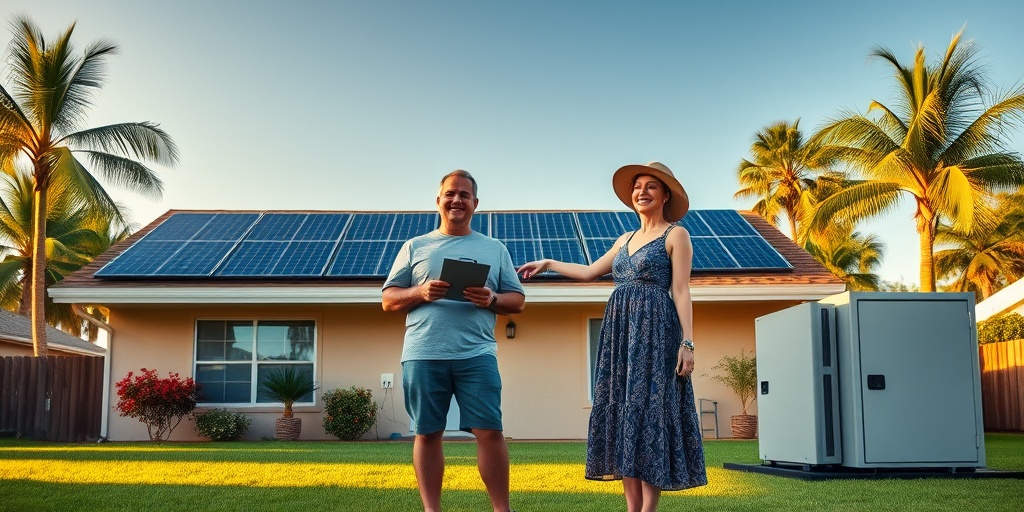
In a world where energy costs rise annually, Florida homeowners find themselves questioning their energy choices more than ever. Did you know that nearly 24% of Floridians reported high electricity bills as a primary concern? This startling statistic highlights a growing urgency for families seeking greater energy independence. The case of one remarkable Florida family offers insight into how they transformed their energy footprint through solar battery storage. In this article titled How One Florida Family Benefited from Solar Battery Storage, we’ll explore their inspiring journey towards a more sustainable, cost-effective energy solution. With incentives for solar increasing and new technology being developed, 2025 is predicted to be a pivotal year for solar energy in the Sunshine State. Here, we will dive deep into their experience, presenting key insights and actionable strategies for homeowners considering solar energy. This article will cover five essential sections: their family’s story, actionable steps to take, common myths about solar energy, local insights specific to Florida, and a technical breakdown of solar systems. Let’s unlock the doors to an empowered energy future!
Transformative Story of a Florida Family Embracing Solar Battery Storage
The Rodriguez family of Orlando, Florida, had long been weighing their options for solar energy when they finally made the leap in early 2025. Frustrated with unreliable energy sources and spiraling electric bills—the average Florida household bill is approximately $150 monthly—they began researching modern solar solutions. It was during this time that they discovered the multiple benefits of incorporating solar battery storage into their system. Before making the investment, they consulted with Florida Electric & Solar, renowned for their expertise and customer-first approach in solar installation.
One of the pivotal decisions for the Rodriguez family was choosing to invest in solar battery storage alongside their solar panel installation. With extreme weather conditions being a significant concern in Florida, they were enthusiastic about the idea of storing excess solar energy generated during sunny days for use during clouds or nighttime. They learned that a well-designed battery storage system could keep their lights on even during power outages, giving them peace of mind and more control over their energy usage. As of 2023, approximately 38% of solar installations in the U.S. featured battery storage, showcasing a growing trend toward resilience (SEIA.org).
The installation process was smooth. Florida Electric & Solar guided the Rodriguez family through every step—from selecting the right system to obtaining permits and discussing financing options. They utilized the Federal Investment Tax Credit (ITC), allowing them to deduct 22% of the installation cost from their federal taxes in 2025. This is particularly crucial since many homeowners are uncertain about financing solar solutions. If they had chosen to go without solar storage, they would have missed out on potential savings and increased independence.
Once their system was operational, the Rodriguez family instantly noticed the transformation. Their electricity bills dropped significantly, averaging just $30 per month—an impressive reduction of over 80%. Their system produced enough energy not just to power their home but also to charge their electric vehicle, further minimizing their carbon footprint. The peace of mind that came with knowing they no longer depended solely on the grid was invaluable.
As the months passed, the Rodriguez family realized solar battery storage was more than just a financial investment; it was a lifestyle choice. They became advocates for solar energy in their community, inspiring neighbors to learn more about the benefits of going solar. This intricate balance of sustainability and savings underscores why solar energy choices in Florida matter—especially in light of rising rates, climate change, and a brighter, more independent future.
With this family’s journey, we can extract actionable steps that other Florida homeowners can take toward adopting a solar energy system with battery storage. In the next section, we’ll provide an easy checklist for families hoping to replicate the Rodriguez family’s success.
Your Solar Journey Checklist: 5 Steps to Success
Step 1: Assess Your Energy Needs—Before diving into solar solutions, evaluate your average energy consumption. Review your past utility bills and consider any changes expected in the next few years. This step is critical as it helps determine the size of the solar panel system and battery storage you’ll require.
Step 2: Research Local Solar Companies—Choose a trusted solar company with a solid reputation in your area. Look for certified installers with extensive experience and verified customer reviews. According to SolarReviews.com, choosing a skilled installer can make or break your solar experience.
Step 3: Explore Financing Options—Investigate tax credits and financing available to Florida homeowners. The Federal ITC allows you to deduct a portion of your solar installation costs, while numerous lenders provide low-interest loans or leasing options. Consult with your chosen provider to explore cost-effective solutions tailored to your budget.
Step 4: Set Up a Solar Battery Storage System—Don’t overlook the importance of battery storage. Evaluate different battery brands and models (like Tesla Powerwall or LG Chem) and consult your solar installer to determine what best suits your needs. Battery storage enhances your system’s effectiveness and provides backup energy when needed.
Step 5: Monitor Your System Regularly—Once your solar system is installed, ensure you keep track of its performance. Use monitoring apps provided by your solar company to assess energy production. Staying informed about your system’s efficacy helps maximize your savings and efficiency.
By following these actionable steps, Florida homeowners can set themselves on a path similar to that of the Rodriguez family. As we move into an era where renewable energy solutions are crucial to combating climate change, being proactive in solar adoption becomes necessary. Next, let’s address some common myths surrounding solar energy that might be holding you back from making that transition.
Common Myths About Solar Energy Debunked
Let’s face it—despite increasing awareness, misconceptions surrounding solar energy persist. Debunking these myths can lead to more Florida homeowners embracing solar technologies. Below are some common myths and the realities behind them.
Myth #1: Solar panels are too expensive.
Reality: While the initial investment may seem high, solar panel prices have decreased by more than 70% since 2010 (Energy.gov). With financing options and tax incentives, the long-term savings typically far outweigh the costs.
Myth #2: Solar energy isn’t effective in cloudy or rainy areas.
Reality: Solar panels function efficiently even on cloudy days. In fact, many Florida homes experience enough sunshine throughout the year (approximately 237 sunny days annually) to produce substantial energy (SEIA.org).
Myth #3: Solar installations take up too much space.
Reality: Solar panels can be installed on rooftops or in small spaces, and advances in technology mean that you can install higher-efficiency panels that require less area to yield the same energy output as traditional panels.
Myth #4: My roof can’t support solar panels.
Reality: A professional solar installer will evaluate your roof’s condition and make necessary recommendations. Many roofs can support solar systems, and ground-mounted systems are also available if your roof isn’t suitable.
Myth #5: Once installed, I don’t need to think about my solar system.
Reality: Continuous monitoring and routine maintenance enhance the lifespan and efficiency of your solar system. Regular inspections can help catch minor issues before they become significant problems.
With these myths debunked, it becomes clearer why solar power is a practical and attainable option for Florida homeowners. Understanding the facts allows families to better navigate the solar landscape. In the next section, we’ll take a more profound look at solar energy specific to Florida, exploring local incentives, trends, and laws that influence the market.
Solar Energy Insights for Florida Homeowners
Understanding the unique landscape for solar energy in Florida can be a game-changer for homeowners contemplating the switch to renewable energy. The state is often referred to as the “Sunshine State” for good reason; it is home to some of the most abundant sunshine in the country, averaging 5.5 peak sun hours per day. This abundance translates into an excellent opportunity for energy generation.
Florida’s solar incentives have continued to evolve as well. The state offers a property tax exemption for solar energy systems, meaning that homeowners can install solar without inflating their property taxes. In addition, as of 2023, the Federal Investment Tax Credit (ITC) enables homeowners to recuperate up to 22% of installation costs, making it an ideal time to invest in solar (NREL.gov).
Another vital piece of information for Florida homeowners is the net metering policy. Net metering allows homeowners to receive credits on their electricity bills for excess energy produced by their solar panels. This arrangement maximizes the benefits of solar energy, allowing you to sell back power to the grid rather than letting it go to waste. Florida’s current net metering guidelines are favorable for homeowners, and ensuring compliance with necessary regulations is crucial for maintaining these benefits.
One growing trend in Florida is the increasing demand for battery storage solutions. As extreme weather events become more common, homeowners are looking for ways to stay resilient during storms or outages. In response, many solar installers are incorporating battery systems into their offerings. In fact, projections indicate that by 2025, 50% of new installations will include some form of battery storage (SEIA.org).
For families considering solar energy, staying informed about these insights—and the evolving state policies—can significantly affect decision-making processes. Florida Electric & Solar is at the forefront of these local trends and offers expert consultations to ensure homeowners are equipped with the knowledge and technology they need.
Now that we’ve covered the landscape of solar energy in Florida, let’s move toward an in-depth technical exploration of solar energy systems, focusing on how these components come together for a streamlined energy solution.
Understanding Solar Systems: Components and Technologies
Solar energy systems consist of several components working in harmony to meet energy needs, and understanding the intricacies of each part can empower homeowners to make informed decisions. Here are the fundamental elements of a solar system:
- Solar Panels: These are the heart of the system, converting sunlight into electricity. When evaluating panels, consider efficiency ratings—the percentage of light they can convert into usable energy. Higher efficiency panels yield more energy even in low-light conditions.
- Inverters: Solar inverters transform the direct current (DC) generated by the solar panels into alternating current (AC), which is used in your home. Options include string inverters and microinverters, each offering distinct advantages depending on your solar setup.
- Battery Storage: As mentioned before, solar battery systems store excess energy generated for use during non-sunny hours. A well-matched battery capacity ensures your system provides adequate backup to power essential appliances during outages.
- Monitoring Systems: These systems allow homeowners to track energy production and consumption in real time. Staying aware of your energy data can help optimize your solar system’s performance and identify issues that could lead to inefficiencies.
- Mounting Systems: The setup for solar panels is essential for achieving optimal energy production. Roof-mounted systems and ground-mounted arrays should always align with geographic considerations, ensuring panels face the sun, maximizing energy collection.
Each element of the system contributes to the overall efficiency and effectiveness of solar energy solutions, making it crucial for homeowners to understand how they work together. Engaging with a reputable solar installer to ensure proper design is key for achieving maximum efficiencies. Knowing what components to expect also prepares you for future upgrades as technology evolves.
As you appreciate these technical details, the final step comes down to creating a personalized solar action plan. This ensures your transition to solar is smooth, strategic, and successful.
Next Steps for Florida Solar Buyers in 2025
Transitioning to solar energy can be an exciting and transformative journey, but taking decisive actions is critical to achieving the best results. Here’s a concise outline to guide Florida homeowners through the process of adopting solar energy:
Step 1: Audit Your Electric Bills—Gather and analyze your electricity usage over the last 12 months to identify the average consumption and peak usage times. This will help you understand your personal energy needs and create an informed solar plan.
Step 2: Contact a Reputable Solar Installation Company—Research and reach out to certified solar companies in your area. Request consultations to discuss potential system sizes, technology options, and financing. The right company will help tailor a system based on your unique circumstances.
Step 3: Schedule Site Assessments—Invite your selected installer for on-site evaluations. They will assess your roof, evaluate shading issues, and determine the most viable solar setup options to ensure optimal energy production.
Step 4: Review Financing and Incentives—Discuss available financing plans with your installer. Make sure to factor in available tax credits and how they can impact your budget and overall costs. Knowing your financing options will help you make the most of tax benefits while enjoying low-cost energy.
Step 5: Monitor and Maintain—Once installed, stay engaged with your solar system by monitoring its performance regularly. Set up a maintenance plan to keep your equipment in excellent working condition, maximizing annual savings and sustainability.
With this actionable checklist, Florida homeowners can confidently navigate their solar adoption journey. Each step signifies a commitment to embracing renewable energy and enjoying the associated benefits. To learn more about solar energy solutions available for your home, visit floridaelectricandsolar.com for personalized consultations tailored to your family’s needs.
As we reflect on the Rodriguez family’s transformation through solar battery storage, it becomes clear that stepping into solar energy is not just about finances; it’s a holistic journey towards sustainability and independence. By understanding the benefits, addressing common myths, and familiarizing yourself with local regulations, any Florida homeowner can position themselves to thrive with solar energy. In a time when rising energy costs and grid reliability issues pose real threats, making this change is both timely and essential for families aiming for financial relief and peace of mind.
Ultimately, embracing solar battery storage offers not just savings, but a vision for a cleaner, greener future. Families like the Rodriguez’s are leading the way in changing the conversation on energy consumption in Florida—will you join them?
Ready to start your solar journey in 2025? Connect with a certified expert at floridaelectricandsolar.com today.
Related Articles
More insights about Battery Storage

What Is a Solar Battery and How Does It Store Power for Your Florida Home?

Beginner’s Guide to Solar Battery Storage Essentials

Florida Homeowners: Unlock Benefits of Solar Battery Storage Today
Ready to Go Solar?
Have questions about solar energy? Our experts are here to help you make the switch to clean, renewable energy.