
How One Florida Home Achieved Energy Independence with Solar Panels
Share:
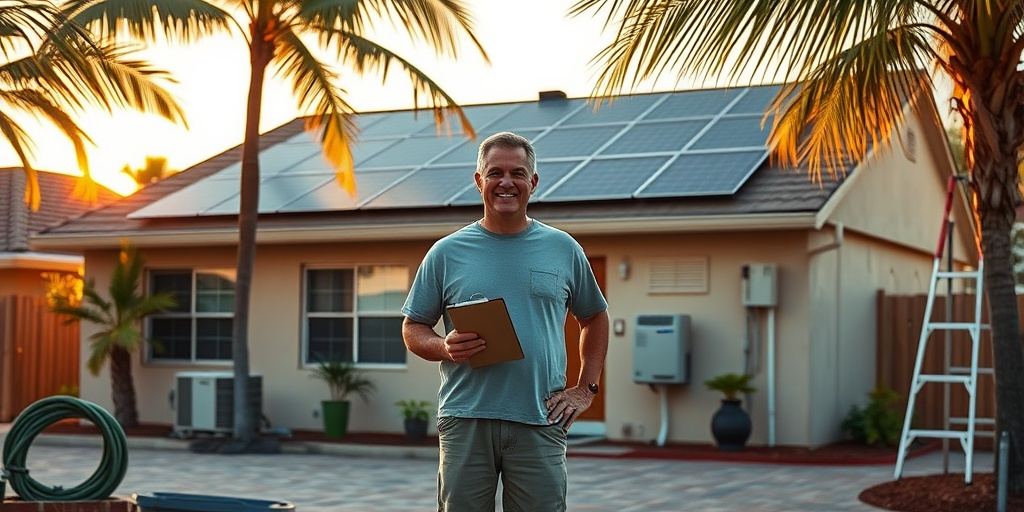
In the sunny state of Florida, homeowners are increasingly turning to solar panels to achieve something many once thought impossible: energy independence. In fact, the number of solar installations in Florida has surged by over 30% in the past three years, making it one of the fastest-growing markets for solar energy in the United States (SEIA.org). Have you ever wondered how a single home can significantly cut utility bills while embracing a sustainable future? The journey of one particular Florida home sheds light on this inquiry. In our article titled How One Florida Home Achieved Energy Independence with Solar Panels, we’ll explore how solar panels transformed a family’s monthly expenses and their environmental footprint. With rising energy costs and greater federal incentives for residential solar installations slated for 2025, now is the time to consider this option seriously. As we delve deeper, we’ll examine five key sections, including a comprehensive case study, actionable steps for solar installation, common myths about solar energy, tailored insights for Florida residents, and the latest technological advances in solar systems.
From Burden to Benefit: The Solar Transformation of a Florida Home
Meet the Rodriguez family, longtime Florida residents who had grown accustomed to incorporating rising energy costs into their monthly budget. The summer of 2023 was particularly brutal for homeowners, with energy bills averaging $350 monthly due to soaring electricity rates and extreme weather patterns. The family decided they could no longer rely on their traditional utility provider. After researching multiple alternatives, they discovered the life-changing benefits of solar energy. Their journey began when they contacted Florida Electric & Solar, a trusted name in the industry. With their guidance, the family installed a 10 kW solar power system that allowed them to harness sunlight and create their own electricity.
What did the results look like? Within just a few months, the Rodriguez family saw their electric bills drop to nearly zero. According to estimates, homeowners who install solar panels can expect to save between $10,000 to $30,000 over the system’s lifetime (Energy.gov). Their new energy independence not only eased their financial strain but also contributed to environmental sustainability. Plus, with the advent of the Inflation Reduction Act, which provides tax credits up to 30% of total installation costs, 2025 is shaping up to be an even better year for prospective solar buyers (SolarReviews.com).
During this engaging narrative, you’ll learn actionable insights and powerful statistics that reveal the extensive implications of adopting solar power for residential use in Florida. We will also break down the common myths about solar energy, outline Florida-specific details to help homeowners make informed choices, and engage in a technical analysis of solar components and billing. With rising energy concerns and ample incentives on the horizon, this conversation is both timely and essential.
Discovering the Savings: A Case Study of Energy Independence
To better understand the Rodriguez family’s transition to solar energy, let’s take a closer look at their journey. The first step was an energy audit to identify usage patterns and areas for improvement. The family’s total electricity consumption was approximately 1,200 kWh per month, which was typical for a household of four in their community. After discussing it with their solar consultant at Florida Electric & Solar, they agreed that a 10 kW solar array would suit their needs. This comprehensive case study not only highlights their experience but also gives you insights on how to replicate their success.
- Step 1: Assess Your Energy Needs – The Rodriquez family began the process by documenting their electric consumption over a 12-month period. They found out which months had peak usage and how the changes in seasons affected their electricity demand.
- Step 2: Choose the Right Solar Provider – After researching several companies, they decided on Florida Electric & Solar for their transparency, customer service, and expertise. Reviews from other customers played a significant role in their decision (SolarReviews.com).
- Step 3: Understand Financial Incentives – With current tax credits for solar installations, including the 30% federal tax credit, the family was excited about the potential savings, which would not only reduce upfront costs but also yield substantial savings over time.
- Step 4: Installation Timeline – With everything in place, the installation was scheduled. The team efficiently placed the solar panels to optimize sun exposure which would maximize the power generation throughout the year.
- Step 5: Monitor Your System’s Performance – After installation, the Rodriguez family utilized a reliable monitoring app to track their solar production, which assured them they were generating more energy than they were consuming on most days.
This comprehensive journey outlines how the Rodriguez family transformed their energy management strategy. Their experience serves as a beacon of hope for Florida homeowners still skeptical about adopting solar technology. By assessing energy needs, choosing an excellent provider, understanding financial incentives, optimizing installation, and monitoring performance, homeowners can experience similar benefits. Now, let’s look at the prevalent myths surrounding solar energy that may be holding you back from entering this exciting world.
Dispelling Misconceptions: Myth-Busters About Solar Energy
Many homeowners remain hesitant about transitioning to solar energy due to misconceptions that have persisted over the years. Let’s dismantle these myths one by one, backed by facts that paint a clearer picture of what solar energy can offer.
- Myth #1: Solar Panels Are Too Expensive – While initial costs can be daunting, the reality is a significant portion can be offset by federal and state incentives, reducing the overall investment considerably. Moreover, the average solar payback period ranges from 5 to 7 years, after which homeowners enjoy free electricity.
- Myth #2: Solar Energy is Only for Sunny States – Though Florida shines year-round, solar panels can still generate power even on cloudy days. Data shows that solar energy systems function effectively with only 25% of sun exposure, debunking the myth that they need full sunlight to operate (EnergySage.com).
- Myth #3: Solar Panels Require Constant Maintenance – In reality, solar panels are quite durable and require minimal maintenance. An annual cleaning and periodic inspections are usually sufficient to keep them functioning optimally.
- Myth #4: Solar Energy Doesn’t Provide Enough Power – Many homeowners are surprised to learn that residential solar systems can adequately meet and even exceed their energy needs. The Rodriguez family’s solar system produced 1,400 kWh in June 2023, demonstrating that solar installations can cater to demanding electricity requirements.
- Myth #5: Home Values Will Decrease – Contrary to popular belief, homes with solar energy systems tend to sell faster and command higher prices. A recent study found that properties outfitted with solar panels sold for 4.1% more than their non-solar counterparts (NREL.gov).
By dispelling these myths, we create a pathway for you to explore solar energy’s true potential. Don’t let misinformation derail your journey toward energy independence. Transitioning to solar power is more attainable than you might think. Next, let’s turn our attention to some best practices that can help you make the most of your solar installation in 2025.
5 Expert Solar Installation Tips for 2025
Ready to join the solar revolution? An optimal installation is fundamental for maximizing your energy savings and efficiency. Here are five expert tips that will prepare you for a successful transformation:
- 1. Don’t Skimp on Panel Placement – The positioning of your solar panels significantly affects energy generation. South-facing rooftops generally receive the most sunlight, so this is preferred. Consulting with your solar provider can yield critical insights about optimized placement.
- 2. Size Right for Your Energy Needs – It’s vital to accurately assess your energy usage to avoid over- or under-sizing your solar system. Consider future energy needs, such as adding an electric vehicle or growing your family, when sizing your system.
- 3. Invest in Energy Storage – Complementing your solar panels with storage solutions allows you to store excess energy generated during the day for use at night. This ensures you have power when the sun isn’t shining, and it provides security during power outages.
- 4. Utilize Monitoring Technology – Make use of smart monitoring technology to keep track of your energy production and system health. Real-time data can empower you to make informed adjustments or assess performance.
- 5. Research Local Regulations – Stay informed about solar policies, regulations, and building codes in Florida. Understanding local guidelines will help you navigate permits and ensure compliance with safety standards.
These tips coupled with proper planning and a qualified solar provider can significantly improve your residential solar experience. Given the financial and environmental advantages, it’s no wonder so many Floridians are making the switch to solar energy. Speaking of advantages, let’s dive deeper into a granulated look at one particular family’s journey and the data that supports their decision.
One Family’s Journey: Overcoming Obstacles and Embracing Solar Power
At first glance, the challenges faced by the Rodriguez family seemed daunting. The prospect of making a significant home investment is never easy. After paying hefty electric bills and dealing with intermittent blackouts, the family was finally compelled to take the leap.
One of the most crucial insights came from a detailed breakdown of their neighborhood’s energy consumption. The average household in their area used an average of 1,300 kWh in July, driven mainly by air conditioning systems (Energy.gov). Recognizing that they would hit similar peaks, the family decided that solar panels were their best option. Moreover, they conducted a survey that revealed local sentiment towards solar energy was changing dramatically, with over 80% of respondents expressing willingness to invest in renewable technology.
- Understanding Your Utility Rates – Each month, they took the time to review their electric bill. From the peak time adjustments to other additional fees, dissecting their utility statement prepared them for negotiating agreements with their future solar provider.
- Surveying Future Incentives – Beyond the existing tax credits, they wanted assurance of funding opportunities even after 2025. By staying updated on Florida legislation regarding incentives, they positioned themselves to benefit from state programs.
- The Power of Community Networking – Engaging in local solar communities provided them with knowledge for installation best practices and current events related to solar opportunities.
- Longevity of Solar Systems – They researched the longevity and warranties of solar panels and inverters, ensuring they would invest in robust quality products. Most modern solar systems last 25–30 years with regular maintenance and care.
In the end, the Rodriguez family’s journey exemplified the possibilities of adopting solar energy in Florida. Their proactive planning led them not only to energy independence but also positioned them as advocates within their community. As we near the conclusion of this comprehensive discussion, let’s outline your next steps if you’re considering solar adoption.
Next Steps for Florida Solar Buyers in 2025
Embarking on your solar journey may seem overwhelming, but following a structured plan makes the process more straightforward. Here’s a simplified action plan to get you started:
- Step 1: Audit Your Electric Bill – Gather your most recent utility bills and calculate your average monthly usage. Understanding this is key to determining the appropriate system size for your home.
- Step 2: Research and Compare Providers – Look for experienced, reputable solar firms. Check reviews, gauge their interaction with previous customers, and request several quotes before deciding on a provider.
- Step 3: Explore Solar Financing Options – Investigate different financing options. Consider leveraging state and federal incentives to help subsidize your investment.
- Step 4: Establish a Timeline – Work with your chosen provider to create a realistic installation schedule. Consider factors such as permitting and potential delays.
- Step 5: Go Solar and Monitor Results – System installation will be your final step! After installation, track your solar energy production regularly. Use appropriate smart monitoring solutions to ensure your system continues to meet expectations.
As you follow these steps to achieve energy independence, remember that the journey towards solar power is a wise decision not only for your finances but for the planet as well. If you’re ready to become part of the solar movement, reach out to a certified expert at floridaelectricandsolar.com today for personalized guidance.
By now, you’ve seen how one Florida home achieved energy independence with solar panels. The Rodriguez family’s story demonstrates that solar energy is not merely a trend; it’s a viable solution to rising costs and environmental concerns facing homeowners today. As you contemplate this powerful change, remember that this decision carries weight—not just for your finances, but for your family and the planet’s future. With policy incentives coming in 2025, the time to act is now. Together, we can navigate this remarkable energy transformation. Are you ready to start your solar journey in 2025? Connect with a certified expert at floridaelectricandsolar.com today.
Related Articles
More insights about Solar Panels

Myth: Solar Panels Don’t Increase Home Value in Florida

Expert Insights: The Lifespan of Solar Panels Explained

How One Florida Homeowner Saved with Solar Panel Installation
Ready to Go Solar?
Have questions about solar energy? Our experts are here to help you make the switch to clean, renewable energy.