
How One Florida Homeowner Achieved Energy Independence with Solar
Share:
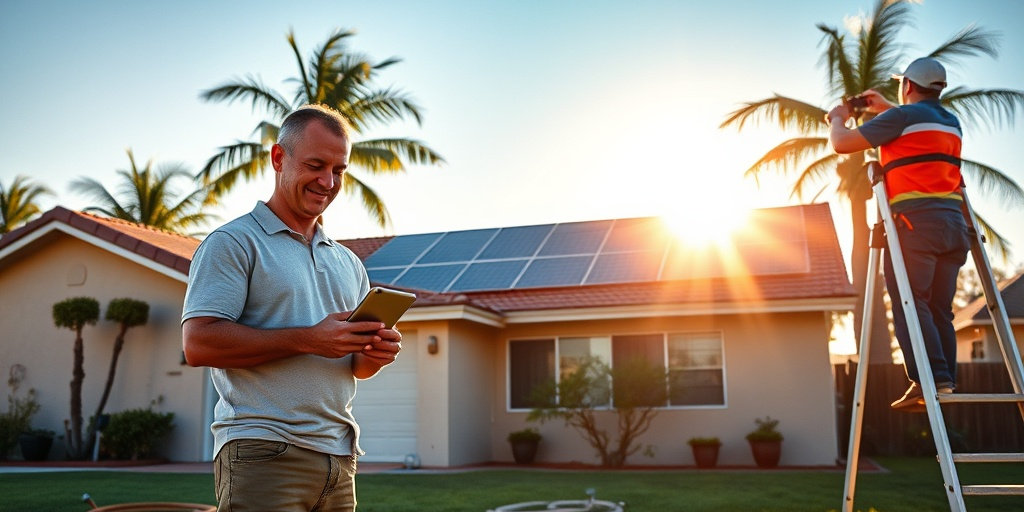
In the hunt for energy independence, many Florida homeowners are forging new paths to reduce their dependence on utility companies. In fact, according to recent studies, nearly 80% of Floridians recognize solar energy as a viable alternative to traditional electricity sources (Energy.gov). With rising energy costs expected to climb even higher in 2025, the urgency to act has never been more pressing. But what does “energy independence” truly mean, and how can homeowners achieve it? In our compelling case study, “How One Florida Homeowner Achieved Energy Independence with Solar,” we’ll explore the transformative journey of a family that made the leap to solar power and how solar battery storage significantly contributed to their success. Along the way, we’ll address essential insights, actionable steps for readers contemplating a similar path, and debunk common myths surrounding solar adoption. As we step into 2025, it’s crucial to understand the benefits and challenges associated with this lifestyle shift, which is more than just a trend—it’s becoming a necessity for many. In this post, we’ll cover five key sections: a deep dive into the homeowner’s experience, a checklist for solar buyers, a myth-busting guide, best practices for installations, and an actionable plan to get started.
Unlocking Energy Independence: A Deep Dive into One Florida Homeowner’s Journey
Meet the Martinez family, who reside in sunny Fort Myers. Just three years ago, they experienced an eye-opening moment when their electric bill peaked at an astonishing $400 during the summer months. Faced with the prospect of perpetually rising bills, the family decided to embark on a transformative journey to energy independence through solar energy. Their decision was not made in haste; it came after extensive research on the growing trend of solar panel installation across Florida, where more than 200,000 homes have made the switch (SEIA.org).
During their journey, the Martinezes discovered how solar energy could significantly cut their electric bills and reduce their carbon footprint—something that was particularly important to them given Florida’s vulnerability to climate change. They were also drawn by potential tax incentives, including the federal solar tax credit, which allows for a 30% deduction on the cost of solar panel installation in 2025.
But the real game-changer for the Martinez family was the addition of a solar battery storage system. In Florida’s tropical climate, where summer storms can intermittently disrupt power, the battery allowed them to store excess energy produced during the day and use it during outages or at night. This capability dramatically enhanced their energy independence and boosted their resilience against grid instability.
The success they enjoyed can be broken down into a series of actionable steps, which we will outline in our upcoming checklist. However, it’s vital to first address some common myths that may deter homeowners from making the switch. Overcoming these misconceptions can pave the way for a smoother transition to solar energy.
Checklist for Solar Success: Steps to Achieve Energy Independence
If you’re contemplating a move to solar energy, the following checklist will enhance your understanding and encourage action. Here are five key steps:
- Step 1: Audit Your Energy Needs
Begin by reviewing your past utility bills to determine your average monthly consumption. Understanding your energy use is essential for sizing your solar system. - Step 2: Research Local Incentives
Take advantage of local and federal incentives. Programs such as the Federal Solar Tax Credit, which is set to remain valid through 2025, can significantly lower your upfront costs (DSIREUSA.org). - Step 3: Evaluate Solar Panel Options
Investigate various types of solar panels, and choose high-efficiency models that suit your budget and aesthetic preferences. The right panels can maximize energy production and savings. - Step 4: Choose a Qualified Installer
Make sure you work with a reputable local solar installer. They can help navigate the complexities of installation processes and permits. - Step 5: Integrate Battery Storage
Consider adding a battery storage system to maximize your energy independence. This component allows you to save solar energy for nighttime use, providing additional resilience against outages.
Following these steps, like the Martinezes did, can significantly ease the transition to solar energy while optimizing your long-term financial savings. Always remember that local resources are available to assist you on this journey. For expert guidance, check out floridaelectricandsolar.com.
Myth-Busting: Common Misconceptions about Solar Energy
Many potential solar adopters hold onto misconceptions that can hinder their transition. Let’s unravel some of the most common myths surrounding solar energy:
- Myth #1: Solar Panels Only Work in Sunny Locations.
This is not true! Solar panels can harness energy even in overcast conditions and are effective in a variety of climates. - Myth #2: Solar Energy is Too Expensive.
The truth is that while the initial investment may seem significant, the long-term savings on energy bills make solar financially beneficial over time. Plus, with incentives, costs are decreasing (SolarReviews.com). - Myth #3: Solar Panels Require Constant Maintenance.
In fact, solar panels need little maintenance aside from periodic cleaning and inspection, which can often go unnoticed. - Myth #4: Solar Energy is Inefficient.
With advancements in solar technology, current solar panels convert between 15%-20% of sunlight into electricity, with cutting-edge models pushing beyond this threshold (NREL.gov). - Myth #5: Homeowners Can’t Benefit from Net Metering.
In Florida, net metering allows homeowners to earn credits for energy produced but not used, often compensating them well for excess energy fed back into the grid.
By dispelling these myths, we can encourage more Florida homeowners to explore how solar energy can transform their lives for the better, just as it did for the Martinez family.
5 Essential Solar Installation Tips for 2025
As Florida homeowners prepare to embrace solar energy in 2025, here are some expert tips to streamline your installation process:
- 1. Prioritize Panel Placement.
Work with your installer to ensure panels are optimally placed on your roof. South-facing roofs are generally the most effective in capturing sunlight. - 2. Understand Your Financing Options.
Explore the various financing methods available, including solar loans, leases, and power purchase agreements (PPAs), to determine what fits best for your financial situation. - 3. Seek Out Reputable Reviews.
Research local installers by checking their customer reviews and quality ratings. Past clients can give you insight into their experiences and whether they would recommend the company. - 4. Plan for Future Growth.
If you anticipate adding more appliances or increasing your energy usage, ensure you choose a system that can accommodate future expansion. - 5. Know Your Local Regulations.
Be well-versed in local solar policies and codes to ensure compliance and avoid potential pitfalls during installation.
These tips will ensure your transition to solar energy is both smooth and advantageous. Engaging with the right team can make all the difference—so don’t hesitate to seek expert advice as you embark on your solar journey.
The Martinez Family’s Fictionalized Yet Realistic Solar Journey
To fully give you a grip on what you might expect, let’s take another look at the Martinez family—whose story we began with—and dive deeper into their journey toward solar independence. Initially skeptical, they found themselves researching after a record-high bill led them to seek change.
- Initially, they attended a local solar seminar hosted by community advocates, which was where they learned about the financial benefits and potential environmental impact.
- The family held several consultations with various solar companies, ultimately choosing a local installer that had positive ratings and aligned with their community values.
- After installation, they began to notice a dramatic decrease in their monthly electric bills, leading them to allocate funds toward other meaningful endeavors, such as family vacations and home improvements.
- During summer storms, they felt secure knowing their solar battery backup would keep essential appliances running, which reassured them of their decision to go solar.
Their experience is representative of many Florida homeowners who have chosen the solar route and have witnessed a transformative change in their lives. It’s not just about the financial gains; it’s about owning one’s energy and the peace of mind that accompanies that ownership (Energy.gov).
Next Steps for Florida Solar Buyers in 2025
Now that you’ve gleaned valuable insights from the Martinez family’s journey and the broader landscape of solar options, it’s time to consider your next steps. Follow this actionable plan:
- Step 1: Audit Your Electric Bill.
Analyze past bills to ascertain usage patterns that will inform your solar sizing decision. - Step 2: Research Available Solar Providers.
Compile a list of reputable local providers. Seek estimates and ask questions that address your concern about efficiency and installation timelines. - Step 3: Schedule Consultations.
Engage with multiple providers to understand the scope of their offerings while consolidating competitive pricing. - Step 4: Consider Long-term Needs.
Factor in future energy planning—are you anticipating upgrades to your home that will increase energy consumption? - Step 5: Take Action.
Once you have all the necessary info, make the leap! Schedule your installation and look forward to basking in the benefits of solar energy.
By following these steps meticulously, you will set yourself up for success. For further clarification and personalized assistance, reach out to floridaelectricandsolar.com.
As we reflect on the inspiring journey of the Martinez family and the rising trend of solar adoption across Florida, it’s clear that making an investment in solar energy is not just a wise financial move—it’s an essential choice for those aiming for energy independence. The urgency for homeowners cannot be overstated: between rising utility costs, increasing climate concerns, and the advantages of existing incentives, 2025 presents an unparalleled opportunity to shift towards a sustainable future. By leveraging the knowledge you’ve gained here and implementing actionable steps, you too can embark on your journey toward solar power and the benefits that come with it. Ready to start your solar journey in 2025? Connect with a certified expert at floridaelectricandsolar.com today.
Related Articles
More insights about Solar

What Are the Key Benefits of Solar for Commercial Properties?

Why Gulf Coast Residents Should Explore Solar for Commercial Properties

Why Gulf Coast Residents Should Consider Solar for Commercial Properties
Ready to Go Solar?
Have questions about solar energy? Our experts are here to help you make the switch to clean, renewable energy.