
How One Florida Homeowner Achieved Massive Savings with Solar Tax Credit
Share:
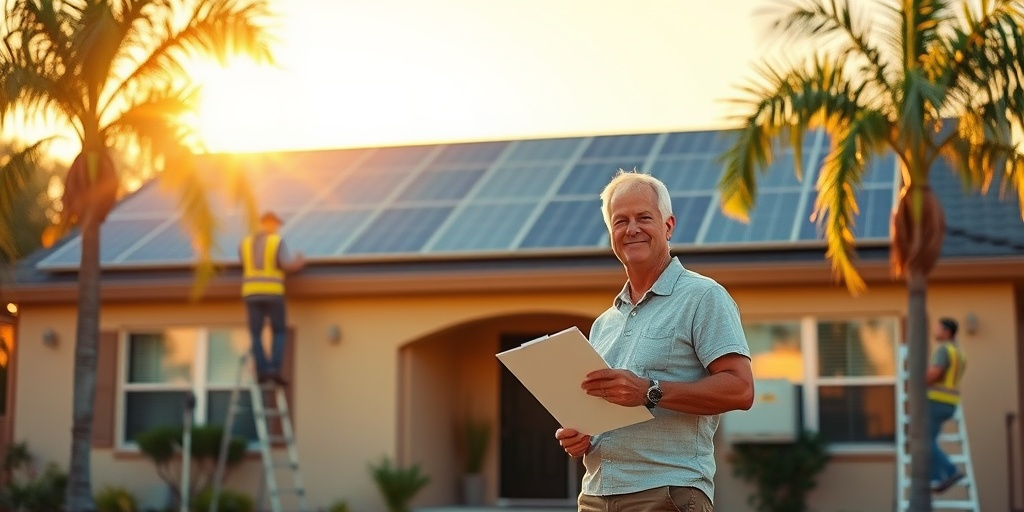
In a world where energy costs continue to rise, the shift toward sustainable energy has become not just a trend, but a necessity. Did you know that nearly 1 in 4 Florida homeowners are now considering solar energy as a viable solution to combat skyrocketing electricity prices? Moreover, with the federal solar tax credits covering as much as 30% of installation costs, there has never been a better time to invest in solar power. This article, titled How One Florida Homeowner Achieved Massive Savings with Solar Tax Credit, will illuminate how this incentive significantly transformed the financial landscape for one Florida household. By exploring the real-life experience of such homeowners, we will unlock the potential savings, debunk common myths, and outline essential steps to harness the power of solar energy for yourself. With continuous changes in energy policies and the undeniable urgency of climate change, understanding these benefits becomes increasingly critical as we enter 2025. Today, we’ll delve into five crucial sections: a compelling case study, an actionable checklist of steps, myths that often deter potential buyers, a local focus on Florida’s solar landscape, and a technical deep dive into how solar energy systems operate.
Transformative Journey: A Case Study in Solar Savings
Meet John and Maria, residents of sunny Tampa, Florida. For years, they faced monthly utility bills that left them feeling drained financially. Like many homeowners, they had often brushed aside solar energy due to misconceptions and the perceived hassle of installation. However, after thoroughly researching their options, they took the plunge. Their decision to install solar panels was primarily motivated by the federal solar tax credit, which allowed them to save significantly on their installation costs. With the federal tax incentive covering 30% of their total expenditure and Florida’s net metering policies allowing them to sell excess energy back to the grid, John and Maria embarked on an empowering journey of self-sufficiency.
Their savings have been astounding; they reported a 60% reduction in their electricity bills within the first year of their solar panel installation. Moreover, they now enjoy peace of mind knowing they are contributing to a cleaner environment. In fact, according to the Solar Energy Industries Association, Florida ranks second in the U.S. for solar capacity, demonstrating the growing recognition and adoption of solar solutions among Floridians (SEIA.org). This case study not only exemplifies the direct financial benefits of going solar but also highlights the transformational lifestyle changes that accompany such investments.
What does it take for Florida homeowners like John and Maria to maximize their solar investments? Here’s a brief checklist of actionable steps they followed:
- Research Local Incentives: Understanding Florida’s solar policies and potential tax credits.
- Choose a Reputable Installer: Selecting a trusted company with local experience, such as Florida Electric & Solar.
- Assess Energy Needs: Evaluating current energy consumption to determine the right system size.
- Consider Battery Storage: Exploring options for energy storage to maximize savings.
- Follow Through with Maintenance: Planning regular maintenance to keep the system efficient.
Next, let’s tackle some common myths that often set homeowners back from exploring solar energy further.
Debunking Solar Myths: What Every Florida Homeowner Should Know
Myth #1: Solar panels are too expensive to install. This misconception often stems from outdated information. In reality, the cost of solar installation has decreased by over 70% in the last decade, and with the federal solar tax credit currently set at 30%, the installation becomes much more affordable (SolarReviews.com).
Myth #2: Solar energy only works in areas with abundant sunlight. While Florida’s sunny climate is undoubtedly conducive to solar energy, systems can still harvest solar energy even on cloudy or rainy days. Solar panels function efficiently by capturing diffuse sunlight.
Myth #3: The installation of solar panels will damage the roof. On the contrary, professional installations, like those done by Florida Electric & Solar, are designed not only to be safe for the roof but can also add to the home’s overall value.
Myth #4: Once installed, solar panels require extensive maintenance. Most solar systems are low-maintenance and equipped with warranties that cover parts and service, allowing homeowners to focus on enjoying their savings.
Myth #5: Solar energy is not worth it because the savings take too long to realize. While the initial investment may seem daunting, Florida homeowners often see a return on their investment in real savings within 5-7 years and significant long-term savings thereafter.
Now that these myths have been debunked, it’s critical to recognize Florida’s unique standing in the solar market.
Florida’s Solar Landscape: A Local Focus
Florida is truly a solar paradise, characterized by policies that uplift solar adoption. As of now, there are approximately 134,000 solar installations across the state, a stat that underscores the urgency to jump on board the solar train as energy awareness increases (DSIREUSA.org). The Sunshine State offers exceptional resources and incentives for potential solar buyers:
- No State Sales Tax: Solar energy systems in Florida are exempt from state sales tax, translating into significant savings.
- Net Metering: Homeowners producing excess energy can sell it back to the grid, benefiting financially from their sustainability efforts.
- Access to Solar Loans: Financing plans are available to assist homeowners with upfront costs, making solar more accessible than ever.
- State Rebates Programs: The Florida Solar Energy Center periodically offers rebate programs, further incentivizing homeowners to adopt solar.
Florida is not just about sunshine; it’s about a commitment to sustainability that can alter your financial future. Individuals like John and Maria opted for solar not simply for the savings but also for the freedom it grants them—ownership over their energy sources.
Understanding Your Solar System: A Technical Deep Dive
How does a solar power system function? Understanding the mechanics can empower potential buyers to make better decisions regarding installation. A typical residential solar system is composed of solar panels, an inverter, and sometimes a battery storage unit. Here’s a breakdown:
- Solar Panels: These absorb sunlight and convert it into direct current (DC) electricity.
- Inverter: This device converts the DC electricity generated by the panels into alternating current (AC), which is what powers your home appliances.
- Battery Storage: Optional but recommended; it stores excess energy produced during peak sunlight hours, ensuring you have power even when the sun isn’t shining.
- Electric Meter: Measures the electricity produced by your solar panels and manages your energy consumption.
Understanding how these components work together not only demystifies solar technology but also enhances your confidence when considering installation. With advancements in solar technology, systems today are more efficient and reliable, making solar power accessible for all Florida homeowners.
Your Solar Journey: An Action Plan for 2025
In embarking on your solar journey, having an action plan ensures you don’t miss out on important steps along the way. Here’s a succinct checklist:
- Step 1: Audit Your Electric Bill—Analyze your current spending to understand potential savings with solar.
- Step 2: Bypass Common Misconceptions—Research and reach out to local experts to get accurate information about solar.
- Step 3: Evaluate Installer Options—Gather quotes from several companies and ask about their experiences with state incentives.
- Step 4: Plan for Future Needs—Consider whether you might need battery storage or expansion and include this in your purchase.
- Step 5: Complete the Installation and Register for Incentives—Ensure all paperwork for state and federal benefits is filled out promptly.
Following these steps will streamline your transition to solar power and make the most out of available incentives. By taking proactive steps today, you can better prepare for tomorrow’s energy landscape.
In conclusion, John and Maria’s story is just one of many illuminating the transformative impacts of solar energy. The switch to solar isn’t merely about lowering energy bills; it represents a commitment to a sustainable future, a safeguarding of personal finances, and the empowerment of ownership over personal energy sources. Now is the time to make a move toward energy independence, especially with a plethora of federal and state incentives aimed at mitigating costs. Connect with a certified expert at floridaelectricandsolar.com to guide you on your path to solar savings and newfound independence. Embrace the opportunity and take control of your energy bills today!
Related Articles
More insights about Solar Tax Credit

10 Critical Considerations for Solar Tax Credit Success

Don’t Delay Your Solar Tax Credit Application to Avoid Missing Benefits

Don’t Risk These Common Solar Tax Credit Mistakes
Ready to Go Solar?
Have questions about solar energy? Our experts are here to help you make the switch to clean, renewable energy.