
How One Florida Household Achieved Energy Independence with Solar
Share:
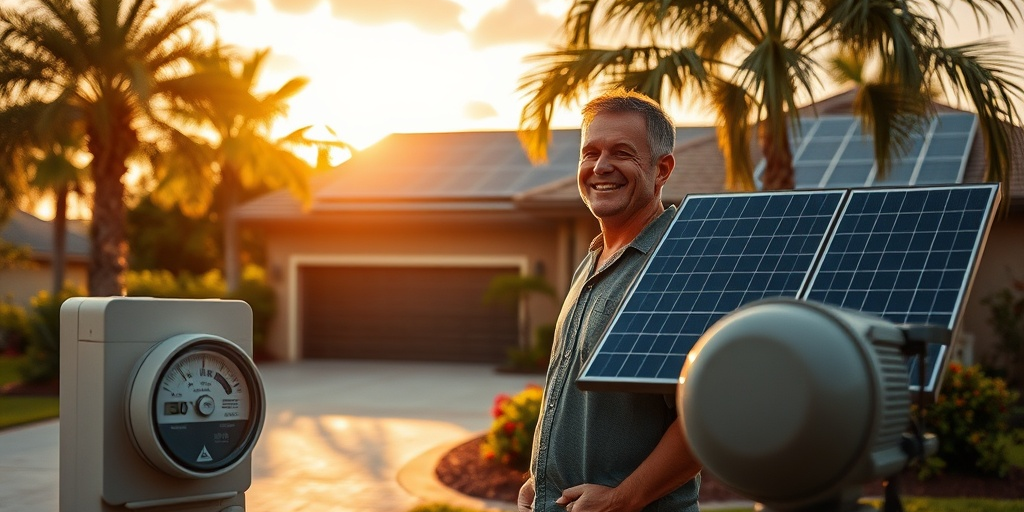
As of 2025, Florida becomes a pivotal battleground in the quest for energy independence, where the spotlight shines on the transformative journey undertaken by many homeowners aiming to break free from the chains of rising energy costs. Imagine, for instance, the household of the Martinez family in Gainesville. They made the leap to solar energy and not only slashed their electricity bills but also achieved complete energy independence. In 2023, Florida ranked third in the nation for solar installations, with an impressive 5.51 gigawatts of solar power capacity installed, electrifying more than 700,000 homes across the state (SolarPowerWorld.com). The Martinez’ story encapsulates the potential for solar energy transformation in Florida—one that reflects trends shaping our energy future—like grid instability and escalating electricity prices. In this evocative case study titled How One Florida Household Achieved Energy Independence with Solar, we will unpack how a family transformed their lives and how you can, too. Through this narrative, we’ll explore five segments: the deeper journey of the Martinez family into solar power, actionable steps for potential solar buyers, debunking common myths, focusing on Florida-specific energy dynamics, and a technical deep dive into solar technology. By the end, you will feel empowered to take charge of your energy future.
How the Martinez Family Embarked on Their Solar Energy Odyssey
The story of the Martinez family begins in late 2021 when they faced not only rising electricity bills but also the pressure of making environmentally conscious decisions. Their journey to energy independence is marked by research, careful planning, and a commitment to harnessing the Florida sun. Within the context of Florida’s sunny climate, the challenge of reducing reliance on traditional energy sources became an opportunity. Initially skeptical, the family began to realize the feasibility and benefits of solar energy.
For the Martinez family, achieving energy independence started with understanding their energy consumption. They learned that average residential electricity costs in Florida had risen 30% since 2020, making homes dependent on the grid more vulnerable to fluctuations (EIA.gov). To combat this, they began with a comprehensive energy audit, outlining their usage patterns and areas where improvements could be made. This audit was the first step in crafting an efficient solar energy solution tailored to their specific needs.
As the family delved deeper into solar energy, they quickly became acquainted with the intricacies of the technology involved. The basics were straightforward—the Martinezes opted for a rooftop installation of solar panels coupled with a battery storage system. This setup allowed them to harness solar energy during the day and store surplus energy for nighttime use, helping to stabilize energy costs.
Here are the actionable steps the Martinez family discovered during their solar transition:
- Research Solar Options: They examined different solar energy companies in Florida and compared reviews and pricing packages.
- Determine Energy Needs: They meticulously audited their home’s energy consumption to estimate the size of the solar system they would require.
- Understand Incentives: The family took advantage of the federal Investment Tax Credit, which provided a significant reduction on their solar installation costs (SEIA.org).
- Select a Reputable Installer: After thorough research, the Martinezes chose a provider based on positive testimonials and proven expertise in residential installations.
- Monitor Performance: After installation, they monitored their system’s performance to ensure optimal efficiency and savings.
With research and planning complete, the family worked closely with their chosen installers to design a customized solar system utilizing high-efficiency panels rated at 400 watts each. Leveraging the sunny Florida climate, these panels effectively produced energy all year round, making the most of their home’s exposure to sunlight.
In addition to the solar panels, the family invested in a state-of-the-art battery storage system. This decision positioned them to tackle unforeseen events such as extreme weather or grid outages, which are common in Florida. Notably, Florida’s hurricane season can often disrupt power, but with their solar battery backup, the Martinez family could maintain their independence from the grid while ensuring their critical appliances remained operational (NREL.gov).
Throughout this process, the Martinezes overcame numerous myths surrounding solar energy that many Floridians often encounter:
- Myth #1: Solar is not cost-effective in Florida. In reality, the state offers accessible financial incentives to offset installation costs.
- Myth #2: Solar panels don’t work in cloudy weather. Modern panels are designed to capture sunlight even on overcast days.
- Myth #3: Solar systems take too long to pay off. With the immediate savings on monthly bills, many families break even within 5-7 years (SolarReviews.com).
Through their commitment and consent to explore solar technology, the Martinez family not only achieved energy independence but also set an example for their community and showed that the dream of sustainability is indeed possible. Their story resonates as a beacon for future homeowners considering a similar path.
Five Essential Steps to Achieve Your Energy Independence
Ready to carve out your journey towards energy independence? Here are five essential steps to guide you through the process of going solar:
- Step 1: Audit Your Electric Bill – This crucial first step involves understanding your average monthly consumption. Take note of which appliances use the most energy and explore ways to minimize their usage before installing solar.
- Step 2: Research and Compare Solar Providers – A myriad of solar companies exist in Florida, and selecting the right one is imperative. Look for local companies with positive reviews and varied financing options.
- Step 3: Explore Financing and Incentives – Before committing, research federal and state incentives. The 30% federal Investment Tax Credit is an excellent place to start, but local programs can further enhance savings.
- Step 4: Choose the Right Solar Technology – With your energy audit in hand, work with your solar provider to select a system that matches your needs. High-efficiency panels and battery storage can maximize your energy independence.
- Step 5: Commit to a Monitoring System – Once installed, set up a monitoring system that allows you to track your solar system’s energy production and savings over time.
Investing in solar energy is more than a financial commitment; it’s a lifestyle choice that contributes to sustainability efforts in the region. Ensure you are well-informed before making decisions. For more information, utilize resources at floridaelectricandsolar.com.
Debunking Common Solar Energy Myths
As you consider switching to solar, you may encounter misinformation that could deter you from taking the initial steps. Let’s clarify and debunk some prevalent myths about solar energy:
- Myth #1: “Solar energy is only for the wealthy.” This false belief ignores the myriad of financing options available, including loans, leases, and Power Purchase Agreements (PPAs), making solar accessible to many (NREL.gov).
- Myth #2: “Installing solar panels is a hassle.” The process can differ depending on the provider, but many companies manage the installation from start to finish, minimizing homeowner involvement.
- Myth #3: “Solar panels damage your roof.” Quite the opposite; professionally installed panels can protect your roof and may extend its lifespan.
- Myth #4: “You need to live in a sunny area.” Even in less sunny regions, solar energy technology continues to advance, yielding savings regardless of climate.
- Myth #5: “Solar energy is a fad.” With over 2 million solar installations across the U.S. and anticipated continued growth, solar energy represents a vital modernization of our energy grid (SEIA.org).
Understanding the truth behind these myths can empower potential solar buyers. Moreover, embracing solar energy not only enhances family budgets but contributes to a robust movement toward renewable energy in Florida.
Understanding Florida’s Unique Solar Landscape
Florida’s energy landscape offers unique opportunities and challenges for solar enthusiasts. With an average of 237 sunny days per year, the Sunshine State is optimally situated for solar power generation. However, recent changes in state policy and utility tariffs mean that Floridians must stay attentive to their rights and requirements for solar installations.
For instance, as of 2025, Florida’s Consumer Advocate published a report documenting the rise in net metering benefits (PSC.gov). Net metering allows homeowners to receive credits for excess energy they return to the grid, translating to lower utility bills and promoting sustainable practices. This significant financial incentive further fuels the solar energy boom within the state.
Key considerations for Florida homeowners considering solar include:
- Familiarity with local utility rates and regulations.
- The importance of community solar projects for those unable to install their systems.
- Staying informed about future legislative changes that can affect solar incentives.
In addition, potential solar buyers should be aware of the role of hurricane season, which necessitates durable installations that can withstand extreme weather. Adopting robust solar solutions fortified with battery backups enables families to maintain energy independence even during outages.
The Technical Inside Scoop on Solar Technologies
Venturing into solar installation requires understanding the technologies involved. Many Florida homeowners may want to consider certain technical aspects of solar energy setups to maximize their investment. First, let’s break down the critical components of a solar system:
- Solar Panels: The heart of any solar system, high-efficiency panels convert sunlight into electricity. Monitoring the performance of your panels is crucial for ensuring they produce energy effectively.
- Inverters: These devices convert direct current (DC) electricity from the solar panels into alternating current (AC) electricity required for home appliances.
- Battery Storage: Battery systems store excess energy generated by solar panels during the day, allowing you to use this energy during nighttime hours or power outages.
- Monitoring Systems: Equipped with monitoring capabilities, these systems inform homeowners of their solar energy production and consumption patterns.
As technology continues evolving, battery solutions, such as lithium-ion systems, are becoming increasingly efficient and cost-effective. Homeowners are encouraged to consider these innovative advancements when planning their solar journey.
In conclusion, Florida’s solar energy landscape is continuously changing, influenced by weather, politics, and community needs. Recognizing the nuances of solar technology and available incentives ensures homeowners make informed decisions tailored to their own energy independence goals.
Next Steps for Florida Solar Buyers in 2025
For Florida homeowners looking to shift to solar energy, understanding crucial next steps is essential. Implement the following actionable checklist:
- Research Local Solar Providers: Start by identifying local installers with positive reputations. Customer reviews can provide valuable insight into the best options available.
- Evaluate Your Current Energy Needs: An energy audit helps you understand how much energy consumption is within your home and enables more precise calculations on the solar system requirements.
- Understand Local Legislation: Get to know the permits necessary for solar installation in your area, as well as the regulations governing energy credits and rebates.
- Explore Technology Options: Consider cutting-edge technology that can maximize energy capture and provide better storage capabilities.
- Set a Timeline: Plan out all steps from research and installation to set milestones for when you want to achieve energy independence.
For the most informed decisions, utilize expert resources available at floridaelectricandsolar.com to guide you along the way. Educating yourself will ultimately free you from reliance on the grid and empower you to own your energy future.
In conclusion, the journey of the Martinez family illustrates the transformative power of solar energy and stands as a testament to what is possible. Their experience revealing the undeniable benefits of solar energy—slashed bills, energy independence, and environmental stewardship—makes it clear that now is the right time for action. As more and more Florida homeowners look to the future, the call to embrace solar energy echoes louder than ever. The decision to convert to solar is more than a financial investment; it embodies a commitment to sustainability, security, and autonomy. By considering the insights presented throughout this narrative, you, too, can transition toward energy independence and ensure a brighter, more sustainable future for your family.
Ready to start your solar journey in 2025? Connect with a certified expert at floridaelectricandsolar.com today.
Related Articles
More insights about Solar

What Are the Key Benefits of Solar for Commercial Properties?

Why Gulf Coast Residents Should Explore Solar for Commercial Properties

Why Gulf Coast Residents Should Consider Solar for Commercial Properties
Ready to Go Solar?
Have questions about solar energy? Our experts are here to help you make the switch to clean, renewable energy.