
How One Orlando Family Achieved Energy Independence with Solar
Share:
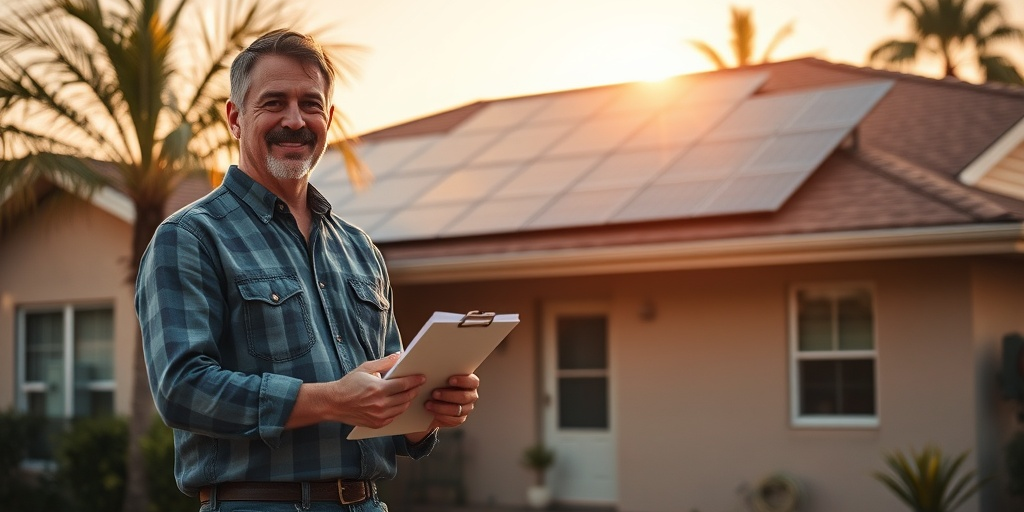
Imagine being able to slash your monthly electric bills to a fraction of what they used to be while simultaneously contributing to a sustainable future. Wouldn’t that feel empowering? For one Orlando family, this dream became a reality when they decided to explore solar energy as a viable option for their home. In the article titled How One Orlando Family Achieved Energy Independence with Solar, we delve into their inspiring journey. As of 2023, Florida stands among the top states for solar energy production, with over 15% of residents actively using solar panels to harness the sun’s power and combat rising energy costs (SEIA.org). With predictions of energy prices climbing another 20% in the next few years, the urgency to seek sustainable energy solutions is greater than ever (Energy.gov). This case study will highlight five essential sections aiming to educate homeowners about solar panel installation: a deep dive into the family’s journey, practical steps for installation, common myths about solar energy, a local policy focus, and a technical exploration of solar systems. Let’s embark on this enlightening solar journey!
Understanding the Journey to Energy Independence
Meet the Martinez family: Amanda, Carlos, and their two children. Like most families in Florida, they had grown weary of the sky-high electric bills, which surged each summer as temperatures soared above 90°F. After doing some research, they considered turning to solar energy as a potential solution but were uncertain about the benefits and the process involved. This case study chronicles their experiences and showcases the transformative impact of solar energy on their life.
The initial step for the Martinez family was to conduct an energy audit, measuring their energy consumption, which stood at about 1,500 kWh per month. With electric rates averaging around $0.14 per kWh, their monthly bill soared to $210. Furthermore, they learned that Florida has been leading the solar installation charge across the nation; it ranks as one of the top three states for solar installations (SEIA.org). Thus, the current moment appeared ripe for change.
Once they decided to move forward, they worked with Florida Electric & Solar to explore tailored options that aligned with their energy needs and budgetary constraints. Through this collaboration, their path became clearer: they would move to install a solar system capable of generating enough power to meet their consumption. Their target was set at a 7.5 kW system, designed to produce 1,000 kWh per month. To set the stage for significant savings, they proceeded with the following five steps:
- Research Solar System Options: Investigating various types of solar panels, inverters, and battery systems.
- Consult with Experts: Engaging with certified professionals to evaluate their options.
- Investigate Incentives: Investigating federal and state incentives that could help offset installation costs.
- Plan for Installation: Preparing their property for solar panel installation, including assessing roof space and orientation.
- Connect to the Grid: Working with their local utility to integrate the new solar system with the electric grid.
By following these foundational steps, the Martinez family maximized their chances for a successful transition to solar energy. With ongoing energy costs projected to fluctuate continuously, their move was both strategic and necessary. Their commitment to solar energy did not only promise financial security; it also aligned with their values of environmental responsibility.
As their solar system got installed, they became ambassadors for solar power, sharing their learnings with friends and neighbors. The system ultimately allowed them to virtually eliminate their electric bill, bringing monthly savings upwards of $150. In the long run, this financial agility provided them the flexibility to invest in their children’s education and to save for future family adventures.
Fast forward to 2025, the energy landscape has changed dramatically in Florida. As more residents recognize the urgent need to adopt energy independence, the demand for clean energy solutions continues to grow. In this evolving environment, educated homeowners like the Martinez family have paved the way, showcasing the significant impact that solar power can have on family life. The discussion doesn’t end here; rather, it transitions into how other Florida homeowners can mimic their success story.
Five Essential Steps to Taking the Solar Plunge
Making the leap to solar energy is a journey filled with numerous considerations. For many families across Florida, understanding the steps involved in solar installation can feel overwhelming. Yet, the process can be simplified into five actionable steps:
- Step 1: Audit Your Energy Needs
- Step 2: Research Available Resources
- Step 3: Invest in Expert Consultation
- Step 4: Finalize Financing Options
- Step 5: Prepare for Installation
The first step is to assess your current energy consumption. Evaluate your last few electric bills to average out the monthly kWh usage. This figure serves as the foundation upon which your solar system’s size should be built. A comprehensive energy need assessment will provide clarity on how much power you require, or larger and energy-efficient appliances may alter those needs.
Explore federal, state, and local incentives designed to encourage solar adoption. In Florida, programs like the Property Tax Exemption for Property Used in Generating Solar Energy (Florida Statute 196.175) can lower your financial burden (FloridaSolar.org). Your choice of equipment—such as photovoltaic systems, battery storage, or inverters—will also significantly influence your overall costs.
Partner with a reputable solar installation company that offers tailored solutions for your home. Conducting interviews can reveal a company’s expertise, past projects, and customer reviews. A trustworthy installer will assess your property and listen to your goals to curate a plan that meets your specific needs.
Understand the various financing options available, including purchases, leases, or power purchase agreements (PPAs). A thorough examination of each option will reveal which arrangement supports your budget and long-term objectives best, potentially yielding substantial savings over the lifespan of the system.[(SolarReviews.com)]
Lastly, work with your installation team to schedule installation dates and prepare your property for installation. Clearing debris, assessing roof conditions, and reviewing local zoning requirements will ensure smooth progress. Once installed, the excitement of being an energy-independent household is immeasurable.
By closely following these guidelines, Florida homeowners can ease into solar energy adoption confidently. The foresight shown by the Martinez family encourages others to consider similar actions, knowing they contribute to positive environmental change transcending generations. Those eager to learn more about getting started can find valuable resources at floridaelectricandsolar.com.
Debunking Common Solar Myths
As with any new technology, misconceptions abound regarding solar energy. Regular myths can create barriers that deter potential adopters from embracing solar power. Here are some of the most prevalent myths surrounding solar energy—and the facts that debunk them:
- Myth #1: Solar Panels Are Too Expensive
Many potential customers believe that the initial installation cost is prohibitive. However, the truth is that costs have dropped significantly over the last decade, with the average price of solar panels declining by 80% since 2010 (SEIA.org). Moreover, federal tax credits and state incentives make solar energy financially accessible for many families. - Myth #2: Solar Panels Require Constant Maintenance
Homeowners often fear that solar panels require constant upkeep. In reality, they typically need minimal maintenance, just an annual inspection and occasional cleaning. Most solar systems come with warranties guaranteeing performance for up to 25 years, ensuring long-term reliability. - Myth #3: Solar Power Is Only Effective in Sunny Locations
While Florida boasts an ideal climate for solar harvesting, systems can still generate power on cloudy days. The technology harnesses diffused sunlight, allowing homes to capture energy even in suboptimal weather, resulting in a still significant energy yield. - Myth #4: You Can’t Sell Your Home with Solar Panels
On the contrary, having a solar system can increase your property’s value. Studies show homes with solar installations sold 20% faster and for more money than those without (NREL.gov). Potential buyers often view solar panels as a desirable feature. - Myth #5: Solar Energy Isn’t Reliable
While the sun isn’t always shining, advancements in technology have made solar energy highly reliable. With options like battery storage, homeowners can store excess energy generated during sunny days for use during the night or cloudy inclement weather.
Debunking these myths equips homeowners with the necessary information to confidently embark on their solar journey. The Martinez family demonstrated that embracing solar power can lead to significant financial empowerment while promoting sustainability and environmental health. Understanding the myths that hamper progress helps more Florida homeowners transition to solar energy, widening the collective impact on reducing carbon emissions.
The Technical Deep-Dive: Understanding Solar Energy Systems
Before making the leap to solar energy, it’s vital to grasp the components of a solar system and how they work in harmony to benefit your household. In this section, we’ll break down the critical elements of solar installations, aiding Florida homeowners in making informed decisions.
- Solar Panels
These are the most recognizable parts of a solar energy system. Made from silicon cells, solar panels convert sunlight into electricity. Higher efficiency panels yield more power using less space. Depending on your energy needs, you may need to invest in more panels to meet those requirements. - Inverters
This component converts direct current (DC) produced by the solar panels into alternating current (AC), which is the form used in your home. Traditional string inverters, microinverters, and power optimizers are the three main inverter types, each with its benefits and ideal use cases. - Battery Storage Systems
Battery systems store any excess energy produced during peak sunlight hours for use later. As Florida homeowners increasingly adopt battery storage, these systems enable properties to operate independently of the grid during power outages and potentially offer energy security. - Monitoring Systems
These systems allow homeowners to track energy production and consumption through a smartphone app or web interface. Regular monitoring helps you understand how your system is performing, ensuring you maximize solar savings and address issues proactively. - Utility Interconnection
Connecting to the grid allows homeowners to send surplus power back to the grid, earning credits through net metering. Florida has favorable net metering policies, enabling users to reap the benefits of their solar contribution while drawing power when needed.
Understanding how these components work together enables potential solar adopters to grasp the value of their investment fully. With continued advancements in solar technology, energy storage options, and policy changes, solar systems are expected to become even more efficient and beneficial for Florida homeowners.
Action Plan for Florida Solar Buyers in 2025
With 2025 just around the corner, Florida homeowners eager to join the solar revolution can take decisive steps now. Planning ahead will ease the transition and ensure a smooth installation experience. Here’s a handy checklist to guide potential solar buyers:
- Step 1: Audit Your Electric Bill
Review your electric bill for patterns in usage and cost. Knowing how much electricity you consume informs your solar system requirements and potential savings. - Step 2: Contact Local Solar Providers
Reach out to certified solar installers for consultations, comparing quotes and services based on reviews of their experiences. Engaging with multiple providers will enlighten you regarding reliable options available. - Step 3: Explore Incentives and Financing
Research federal and state incentives to see how they can lower installation costs. Conversations with your solar provider can help unveil available financing plans. - Step 4: Assess Your Home and Roof
Check your roof condition, direction, and available sunlight, ensuring it can accommodate solar panel installation. Assessing these factors will streamline the whole process. - Step 5: Confirm Installation Timeline
Work with your chosen installer to facilitate a timeline for installation, generating excitement about becoming a solar-powered home.
This action plan describes the essential steps Florida residents can take to prepare for their solar transition. When approached strategically, homeowners can capitalize on favorable energy policies, financial incentives, and technological advancements sweeping across the solar landscape. For further resources, explore floridaelectricandsolar.com for expert guidance.
Conclusion: Your Path to Energy Independence
The journey embarked upon by the Martinez family echoes the stories of many Florida homeowners discovering the benefits of solar energy. From significant cost savings to the satisfaction of contributing to a sustainable environment, the transformation has proven to be worth the investment. Not only have they harnessed the sun’s energy to ensure their family’s financial future, but they’ve also modeled a lifestyle committed to renewable energy and environmental stewardship.
With energy costs expected to continue rising, the urgency for innovative solutions grows stronger as we approach 2025. By owning your power through solar energy, you’re not only investing for today but also ensuring a sustainable future for generations to come. The sun shines brightly in Florida, and so do the opportunities provided by solar technology.
Ready to start your solar journey in 2025? Connect with a certified expert at floridaelectricandsolar.com today.
Related Articles
More insights about Solar

What Are the Key Benefits of Solar for Commercial Properties?

Why Gulf Coast Residents Should Explore Solar for Commercial Properties

Why Gulf Coast Residents Should Consider Solar for Commercial Properties
Ready to Go Solar?
Have questions about solar energy? Our experts are here to help you make the switch to clean, renewable energy.