
What Is the Impact of Solar Battery Storage on Your Savings?
Share:
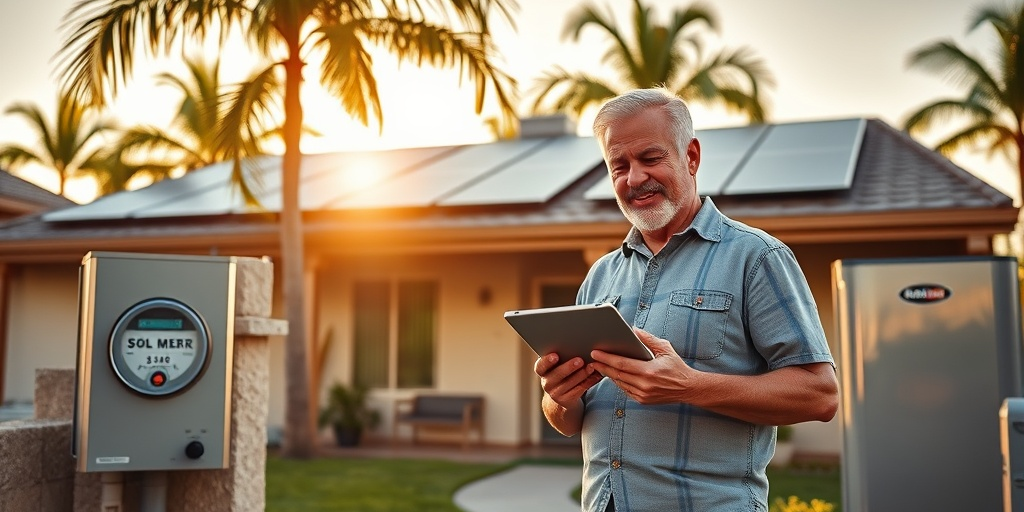
Imagine waking up in the morning after a long, humid night, and as the sun starts shining, you feel more than just its warmth. You feel the thrill of knowing that your energy savings are about to boost because of your solar battery storage system. You might be surprised to learn that Florida homeowners can save an average of 70% on their electric bills when they go solar (Energy.gov). It’s a powerful statistic that underscores the promising value of renewable energy. But what exactly is the impact of solar battery storage on your savings? In our article titled “What Is the Impact of Solar Battery Storage on Your Savings?”, we will delve into how these innovative technologies enhance savings for homeowners and commercial properties alike. With electricity rates expected to rise by up to 30% in the coming years (SEIA.org), now is the perfect time to consider solar options. In this post, we will cover a five-section deep dive, including understanding battery technology, common myths around solar savings, actionable steps to maximize your return on investment, a fictional but realistic journey of a Florida homeowner and their solar installation, and a strategic action plan to guide you through the solar buying process in 2025.
Your Solar Battery Storage: More Than Just a Power Source
Florida is renowned for its abundant sun, which makes it an ideal playground for solar energy. To illustrate how solar battery storage can impact your savings, let’s take a closer look at the case of Rachel, a Florida homeowner who took the solar plunge.
Rachel enjoyed the new lifestyle benefits of her solar installation immediately. However, she soon discovered that the key to maximizing her savings lay not just in the panels on her roof but in the solar battery she chose. After three months of solar usage, Rachel noticed her electric bill had decreased by a staggering 80%, thanks to both her solar panels and battery storage. She learned that her battery allowed her to store excess energy generated during the day for use during peak evening hours when electric rates were more expensive. This valuable knowledge empowered Rachel to become more energy-efficient and eco-conscious, further conserving funds.
- Step 1: Understand Energy Needs – Before you purchase a battery, assess your energy usage patterns. Are your energy needs higher in the day due to working from home, or do you consume more electricity at night?
- Step 2: Calculate Required Battery Size – Based on your energy needs, calculate the size of the battery that will effectively power your home. Larger batteries can store more solar energy, enabling you to maximize savings.
- Step 3: Evaluate Different Technologies – Research various types of batteries, including lithium-ion and lead-acid options, and choose the one that suits your lifestyle best.
- Step 4: Investigate Incentives – Don’t forget to look into potential state and federal incentives that could lower your battery installation costs (SolarReviews.com).
- Step 5: Go Solar with Experts – Consult with experienced professionals, like those at floridaelectricandsolar.com, who can guide you through planning and installing your battery storage system.
But with all this promise, some myths persist about solar battery storage systems and their savings impact.
Busting Solar Battery Myths
It’s time to tackle common misconceptions surrounding solar battery storage systems and their financial impact on savings.
- Myth #1: Solar Batteries Are Too Expensive – While initial costs can be high, many homeowners recoup their investments in under 7 years. This is especially true in sunny Florida, where energy generation is optimized.
- Myth #2: You’re Just Storing Energy to Use During Blackouts – Many believe batteries only serve as backup power, but they can significantly reduce your energy bills while saving you money during peak hours.
- Myth #3: All Batteries Are Created Equal – Not all batteries offer the same efficiency. Choosing a high-quality battery could mean the difference between significant savings and low performance.
- Myth #4: Solar Batteries Require Constant Maintenance – Most modern solar batteries, especially lithium-ion options, require minimal upkeep, allowing you to focus less on maintenance and more on savings.
In discerning these myths, let’s examine Florida-specific policies that amplify the savings potential for homeowners.
The Sunshine State’s Incentives and Policies
Florida has established itself as a leader in renewable energy adoption. State legislators support efforts to increase energy independence and cut emissions. Notably, the Solar Energy Property Tax Exemption allows homeowners to install solar energy systems without seeing an increase in property taxes (DSIREUSA.org). What does this mean for Florida homeowners? It translates directly to savings.
- Investing in solar systems can lead to net savings, allowing owners to eventually pay off systems and still enjoy reduced electric bills.
- The 26% federal solar tax credit is an easy win for anyone considering solar in 2025, providing thousands of dollars worth of tax savings.
- Programs like the Florida Power & Light’s (FPL) solar battery storage rebate incentivize energy-storage solutions, reducing battery purchase costs even further.
As we look back on Rachel’s story, it’s clear that intelligent choices in Florida’s robust solar landscape can lead to financial freedom.
5 Expert Solar Installation Tips for 2025
Is it time to take the leap and install your solar panels and batteries in 2025? Here are some expert insights that can guide your journey:
- Don’t Skimp on Panel Placement – The right orientation can maximize energy capture. Ideally, panels should face south and have a tilt of around 30 degrees.
- Choose Reputable Installers – Research local solar installation companies with customer reviews and track records to ensure high-quality installations and maintenance.
- Involve Your Utility Company – Discuss net metering options with your utility to understand how you will get compensated for excess energy sold back to the grid.
- Check Technology Updates – Battery technology evolves rapidly. Consult professionals to understand the latest products available to enhance energy storage.
- Consider Land Considerations – Ensure that local zoning laws permit solar installations, especially for larger arrays, to avoid unexpected delays and costs.
Florida developers also anticipate changes in market demand, with battery storage becoming just as essential as the solar array itself.
The Journey of a Solar Homeowner in Florida
Envision the life of a fictional homeowner named Tom who recently made the transition to solar. Initially resistant, Tom was swayed by escalating electricity bills—up 32% over five years (Energy.gov). After doing some research, he connected with local experts at floridaelectricandsolar.com. Here’s how his process unfolded:
- Research and Education – Tom took steps to understand the benefits of solar and battery storage, learning how energy capture and savings could flourish in sunny Florida.
- Consultation with Experts – Together with experts, he assessed his energy use and gained insights into the most suitable battery storage solutions for his needs.
- Installation of a Solar Array and Battery System – Tom moved ahead with the installation of a solar array and battery system, enjoying local incentives and the federal tax credit.
- Realizing Savings – After a few months, Tom’s savings were evident, showcasing reductions in his energy bills while benefiting from reliable backup during storms.
- Satisfaction with Energy Independence – Tom now enjoys the satisfaction of owning his power — no more unpredictable energy bills.
Tom’s experience reflects many Floridians who have navigated solar’s terrain and emerged victorious, realizing the long-term benefits of solar energy and battery storage.
Next Steps for Florida Solar Buyers in 2025
Ready to take your solar energy journey to the next level? Here are actionable steps you can take:
- Audit Your Electric Bill – Begin by analyzing your power consumption patterns to gauge your energy needs accurately.
- Research Solar Providers – Seek out reputable solar providers who can guide you through your buying journey.
- Evaluate Financing Options – Understand how solar loans, leasing, and cash purchases impact your tax benefits and overall savings.
- Install Smart Home Systems – Consider smart home technology that can optimize energy use and provide insights into consumption patterns.
- Engage with Local Environmental Groups – Connect with Florida-based organizations that might offer additional insights and support in your solar journey.
As you navigate this landscape, remember, Florida’s solar future is bright, making the time perfect for solar energy investments—from panels to battery storage.
In conclusion, as we explored the impact of solar battery storage on your savings, it became evident through Rachel and Tom’s experiences how transformative this energy source can be for Florida homeowners. In a world of rising energy costs and increasing concerns about sustainability, solar energy is rapidly becoming a vital step toward financial independence and environmental responsibility. Every step you take in your solar journey, from understanding energy needs to connecting with experts, pushes you closer to substantial savings and energy independence. Urgency surrounds the decisions you make today, with potential tax credits and enhancing technologies that may not always be available. Take your future in your own hands, and embrace the power of the sun. Ready to start your solar journey in 2025? Connect with a certified expert at floridaelectricandsolar.com today.
Related Articles
More insights about Battery Storage

What Is a Solar Battery and How Does It Store Power for Your Florida Home?

Beginner’s Guide to Solar Battery Storage Essentials

Florida Homeowners: Unlock Benefits of Solar Battery Storage Today
Ready to Go Solar?
Have questions about solar energy? Our experts are here to help you make the switch to clean, renewable energy.