
Myth-Buster: Debunking Common Misconceptions About Solar Battery Storage
Share:
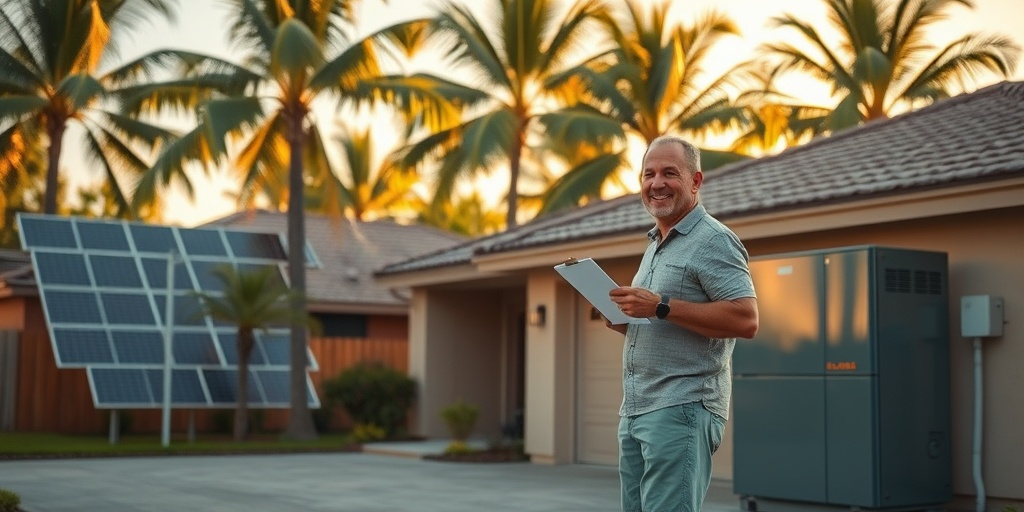
In the vibrant sunshine state of Florida, where solar panels soak up the sky’s radiant energy like a sponge, a common conversation often flickers around a particular concern: solar battery storage. With energy costs taking a steep climb and the world looking towards sustainable solutions, misconceptions about solar technology—especially battery storage—run rampant. The myth that solar battery storage isn’t worth the investment is one among many that can cost homeowners and businesses greatly. According to the Solar Energy Industries Association, the solar industry in the U.S. grew by 22% in 2021, signaling a growing shift toward renewable energy sources and innovative technologies like batteries (SEIA.org). However, the misunderstandings that linger can hold potential buyers back from taking the leap. That’s why we’re diving into this essential topic in our article, Myth-Buster: Debunking Common Misconceptions About Solar Battery Storage.
As we enter 2025, the urge to shift towards renewable energy, especially for Florida homeowners and commercial property owners, has never been more urgent. With rising utility rates and increasing concerns about grid stability, solar battery storage can be a game-changer for energy independence. A recent report highlighted that homeowners with solar and battery storage can save up to $1,400 annually on electricity bills (NREL.gov). But nuances about solar battery technology can deter many from embracing this renewable energy solution.
In this deep dive, we will explore five critical sections to illuminate the truths surrounding solar battery storage: the emotional stories of Florida residents who made the switch, an actionable checklist to guide your solar journey, common myths debunked with solid data, Florida’s unique energy landscape, and detailed technical insights into how these systems work. By the end of this article, our goal is to empower you with the knowledge to make informed decisions about your energy future.
Unveiling Solar Battery Storage: A Case Study
Imagine this: the Johnson family from Orlando had their solar array installed in early 2023. With summer looming and energy demands spiking, they decided to go all in and also invest in a solar battery storage system. At first, they encountered whispers of vague fears surrounding the battery’s lifespan, cost-effectiveness, and even safety. But eager to harness the power of the sun, they pushed through the doubts.
As weeks rolled on, they enjoyed energy security rivaled only by their newfound autonomy. On a particularly scorching July day, while their neighbors cranked their air conditioners, the Johnsons reveled in their—powered by the stored energy from their solar panels. No peak rates, no worry of outages; just the bliss of owning their energy. This experience not only validated their investment but also demonstrated the profound counterarguments against prevalent myths.
- Battery Lifespan Misconception: Many worry that battery storage systems won’t last long enough to justify the investment. However, modern lithium-ion batteries typically offer warranties between 10 to 15 years (Energy.gov), making them a long-term asset rather than a short-term expense.
- Cost-Effectiveness Doubts: It’s often said that going solar isn’t financially viable. Yet, with the advent of federal tax incentives and state rebates, solar and battery storage can reduce monthly energy bills dramatically. The Johnsons reported saving up to 40% on their energy costs since installing their system (NREL.gov).
- Safety Fears: There’s a persistent myth that solar batteries are dangerous due to potential fire hazards. In truth, leading brands adhere to rigorous safety standards, and concerns about fire risks are comparable to those of common household appliances (SolarReviews.com).
With a solid foundation in facts and personal stories like the Johnsons’, it’s clear that understanding solar battery storage is vital. The increasing need for energy independence in Florida only amplifies its importance as we approach 2025. Moving forward, we must address not only these myth-based beliefs but lay down actionable steps for those considering solar.
Your Solar Journey: A Quick-Start Checklist
Ready to make the move? Follow this roadmap to navigate your solar battery installation efficiently and decisively.
- Step 1: Audit Your Energy Needs – Begin by analyzing your electric bill. Easy-to-understand utilities detail your peak usage and total consumption. Understanding these patterns will help determine the right battery system for you.
- Step 2: Research Local Incentives – Take advantage of programs that may be available to you. Florida offers several rebates and incentives for solar battery storage to reduce installation costs significantly. Discover more at floridaelectricandsolar.com.
- Step 3: Consult with Experts – Speak with certified solar installers to assess your home. Professionals can provide deeper insights into system compatibility, efficiency, and future energy needs.
- Step 4: Choose Your Panels Wisely – Not all panels are the same. Opt for high-efficiency models with solid warranties to ensure long-lasting power generation to feed your battery.
- Step 5: Plan for Maintenance – Like cars, solar systems require routine check-ups to ensure efficiency. Schedule annual inspections with professionals to keep everything running smoothly.
This checklist covers essential steps for embarking on your solar journey in 2025 and focuses on identifying, planning, and executing your solar transition. By taking informed action, you could align with the next wave of homeowners who benefit from today’s solar advancements.
Myth-Buster: Common Misconceptions About Solar Batteries
In this section, we will bust several myths surrounding solar battery storage—armed with facts, research, and reassuring truths designed to help alleviate anxieties and empower decision-making.
- Myth #1: Batteries Are Too Expensive
While the upfront cost of battery storage can seem steep, it’s essential to consider the long-term savings and the return on investment. The increased savings can balance the scales in just a few years. - Myth #2: Solar Batteries Only Work During Power Outages
This is misleading; solar batteries provide savings year-round, allowing homeowners to utilize stored energy during high-rate peak times, reducing dependency on grid energy further. - Myth #3: You Can’t Use Solar Batteries with Regular Power
Contrary to popular belief, adding battery storage to your solar panel system enhances its capability. It stores extra energy for later use, optimizing savings significantly, especially during energy spikes. - Myth #4: Solar Batteries Are Inefficient
Today’s lithium-ion batteries are more efficient than ever, boasting round-trip efficiencies of between 85-95%. This efficiency means that the energy stored is used effectively, providing substantial savings over time (DSIREUSA.org). - Myth #5: I Have to Replace My Battery Frequently
With expected lifespans ranging from 10-15 years, trained professionals ensure these systems remain operational. Most users can expect their systems to last well beyond their warranty periods with proper maintenance.
Breaking down these myths is critical to restoring confidence for Florida homeowners looking to adopt solar battery storage in 2025. By arming ourselves with facts and addressing misinformation, we can all take well-informed steps toward greener energy solutions.
Navigating Florida’s Energy Landscape: Trends and Data
As Florida advances toward a more renewable energy future, understanding local energy trends is paramount. The increasing adoption of solar energy, combined with battery storage, sets the state apart as a leader in sustainability. This section will highlight critical trends affecting solar decisions throughout the Sunshine State.
Florida, with its ample sunlight, ranks third in the nation for solar capacity. By 2025, projections indicate that the state will significantly expand its solar energy production and battery storage implementation. Here are four key data points:
- Rising Energy Costs: Floridians have reported an average annual increase in electricity rates of approximately 3% over the past ten years (USEnergyInformation), underscoring the pressing need for self-sourced energy solutions.
- Tax Incentives: As part of the federal alignment with cutting-edge energy solutions, homeowners can benefit from the Investment Tax Credit, which provides a significant tax break for solar battery installations.
- Battery Technology Advancements: Innovations in battery systems, such as those by Tesla and LG Chem, are making solar batteries more efficient, lighter, and suited for residential use.
- Community Solar Initiatives: Many local governments are providing programs that allow residents who cannot install solar panels on their properties to invest in shared solar farms (Energy.gov), supporting community-wide energy independence.
With these trends driving a positive shift toward renewable energy, Florida’s residential and commercial sectors stand to reap considerable rewards. By understanding this landscape and planning accordingly, you can align your energy decisions with state initiatives and innovations for maximum efficiency.
Next Steps for Florida Solar Buyers in 2025
As we’ve explored the various facets of solar battery storage throughout our journey, it is now time to translate that knowledge into action! Here’s a hands-on guide that fits perfectly into your plan to adopt solar energy in Florida.
- Step 1: Research Your Options
Dive into energy solutions by researching available providers in your area. Compare prices, warranties, and features to get the best deal. - Step 2: Allocate Your Budget
Pinpoint your financial capabilities. Factor in state incentives and the potential reduction in monthly energy bills when considering your budget. - Step 3: Connect with Local Experts
Seek local installers who are familiar with both solar panel and battery systems. Their knowledge of local regulations and expertise can greatly enhance your decision-making process. - Step 4: Install Your System
Once confident in your decisions, proceed with the installation. Prioritize a quality installation to mitigate future challenges. - Step 5: Monitor & Maintain
Post-installation, keep track of your solar performance and maintain your system regularly to ensure optimal savings and performance.
Each of these steps ensures that you engage with the solar market thoughtfully, maximizing your investment, and adapting to your unique circumstances. For further insights and options tailored for your situation, explore floridaelectricandsolar.com.
As we wrap up this myth-busting exploration around solar battery technology, appreciating the journey and knowledge gained about renewable energy is essential. The myths surrounding solar battery storage scatter as the light of truth breaks through, illuminating the immense benefits. What lies ahead for you as a Florida homeowner or commercial property owner should be a thrilling opportunity to capture the sun’s energy, cut back on lengthy utility bills, and emerge resourcefully independent.
Make 2025 the year you embrace change. Equip yourself with knowledge and take on an energizing transition towards renewable energy solutions. Ready to start your solar journey in 2025? Connect with a certified expert at floridaelectricandsolar.com today.
Related Articles
More insights about Battery Storage

What Is a Solar Battery and How Does It Store Power for Your Florida Home?

Beginner’s Guide to Solar Battery Storage Essentials

Florida Homeowners: Unlock Benefits of Solar Battery Storage Today
Ready to Go Solar?
Have questions about solar energy? Our experts are here to help you make the switch to clean, renewable energy.