
Myth-Buster: Separating Truth from Fiction About Solar Battery Storage
Share:
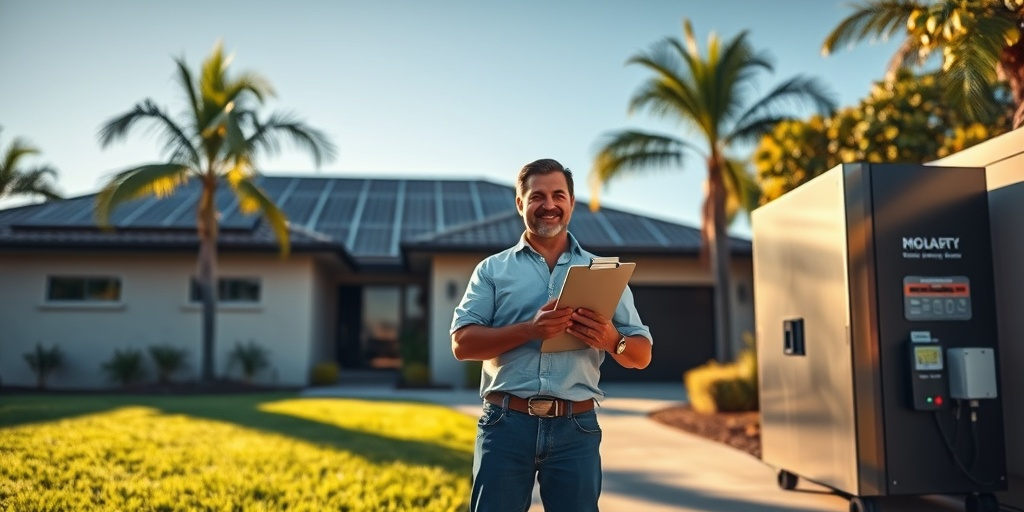
In the vibrant sunshine of Florida, homeowners and businesses are increasingly exploring the benefits of solar energy, compelled by rising electricity costs and growing environmental awareness. However, as interest in solar battery storage soars, so too does confusion—leading to false narratives that can cloud your decision-making process. Did you know that nearly 70% of homeowners inaccurately believe they need batteries for solar energy to be useful during power outages? And yet, battery systems can indeed offer a safety net for your electric supply, especially in these times of grid instability (SolarReviews.com) and increasing storms impacting Floridian life (SEIA.org).
Welcome to our enlightening article titled Myth-Buster: Separating Truth from Fiction About Solar Battery Storage. Here, we will peel back the layers of misinformation and help you make informed decisions as you embark on your solar journey in 2025. With the federal solar tax credit set to taper off, now is the time to act before the opportunity slips away. Understanding solar battery technology and its implications could save you thousands in energy costs down the line.
In this extensive guide, we’ll cover the following five compelling sections to anchor your understanding of solar battery storage:
- Understanding Battery Technologies: A Deep Dive into Options
- Essential Steps for Installing Solar Battery Systems
- Myth-Busters: Dissecting the Common Misconceptions
- Local Perspectives: How Florida’s Environment Shapes Your Choices
- Next Steps: Building Your Solar Future in 2025
These sections will not only clarify what’s real and what’s myth but also guide you through making empowered choices for your solar investments. Let’s begin the journey of uncovering the truth!
Understanding Battery Technologies: A Deep Dive into Options
The landscape of solar battery storage is rich and varied, like an enticing buffet of choices for the modern homeowner. When exploring options, it’s crucial to understand how these batteries work, what types exist, and which might be most suitable for your needs.
Let’s consider the hypothetical case of Amy, a Florida homeowner who recently went solar. Faced with rising electric bills, Amy decided to invest in a solar energy system. She found herself at a crossroads regarding whether to add battery storage. Initially skeptical, Amy conducted her research, discovering several key battery technologies:
- Lithium-Ion Batteries: By far the most popular choice in today’s market, lithium-ion batteries are efficient, long-lasting, and capable of providing a reliable way to harness solar energy. These batteries are prized for their lightweight nature and higher energy density.
- Lead-Acid Batteries: Often seen as a more economical option, these batteries are less efficient and tend to have shorter lifespans. However, their lower initial costs can be appealing for those on a tight budget.
- Saltwater Batteries: Emerging as a new contender in battery technology, saltwater batteries provide an eco-friendly alternative, as they use non-toxic materials. Despite their promising attributes, their capacity and performance in extreme conditions is still being investigated.
Choosing a battery technology primarily hinges upon your energy needs, budget, and how you envision using solar energy. For Amy, the decision boiled down to long-term savings and reliability, motivating her to opt for a lithium-ion battery system capable of powering her kitchen and essential appliances during outages.
But how do you know whether battery storage suits your solar setup? Here’s a handy checklist for evaluating its viability:
- Assess Your Energy Usage: Calculate your household’s baseline energy consumption to tailor your solar battery needs effectively.
- Evaluate Local Energy Prices: Examine real-time energy market trends in Florida to make better choices regarding peak usage and battery reinsertion.
- Consider State Incentives and Rebates: Explore existing incentives from both state and federal levels that may offset the costs of your battery installation (SEIA.org).
- Plan for Future Needs: Anticipate growth in your energy consumption—family expansions, electric vehicle purchases—when choosing a battery system.
- Consult an Expert: Always seek guidance from qualified solar professionals, like those at floridaelectricandsolar.com, to understand the suitability of battery systems in your unique situation.
Armed with facts and assessments, it’s now time to dissect the myths surrounding battery storage that often cloud decision-making!
Essential Steps for Installing Solar Battery Systems
Looking forward to installing a solar battery system? This section is designed to walk you through a clear roadmap to installing your solar battery system efficiently and effectively, ensuring that you maximize your investment while mitigating potential pitfalls.
To kick off this section, remember it’s essential to follow this checklist to ensure a seamless installation:
- Step 1: Audit Your Electric Bill: Take a close look at your past utility bills to determine how much energy you use and at what times. This will inform both your solar power generation and battery capacity needs.
- Step 2: Choose the Right System: Consider the previously discussed battery technologies and select one that aligns with your energy demands, space, and budget.
- Step 3: Obtain Necessary Permits: Before installation, ensure you meet local building codes. Florida has specific regulations regarding solar energy systems; inquire with your municipality to get the correct permits.
- Step 4: Schedule Installation: Work with professional solar contractors to set a convenient time for installation once all permits are in place.
- Step 5: Monitor Performance: Once installed, actively monitor the performance of both your solar energy system and battery. Understanding how they work together will optimize both your savings and energy consumption.
For Floridians, understanding how to install solar battery systems and the ongoing incentive programs available can greatly enhance your experience. As you navigate through the process, don’t forget to consult experts who can provide local insights on building a robust energy future.
Myth-Busters: Dissecting the Common Misconceptions
While excitement abounds regarding solar energy, so does a propensity to misinterpret its functionality—especially regarding battery storage. Let’s debunk the most widespread myths to clarify your choices and enhance your understanding.
Myth #1: Solar Batteries Are Too Expensive. Many homeowners hesitate to invest because they perceive batteries as costly. While the up-front costs can be high, available subsidies and tax incentives can dramatically reduce your initial investment, making them more affordable in the long run.
Myth #2: You Always Need A Battery for Solar Panels. While a battery can enhance the utility of your solar system, it’s not an absolute requirement. Many Florida homeowners successfully use grid-tied systems without storage, depending on local grids for backup power (NREL.gov).
Myth #3: Solar Batteries Will Outlive Their Warranty Period. This myth tends to arise from the belief that batteries are inefficient within a few years of service; however, modern lithium-ion technology can last longer than a decade with proper care and usage.
Myth #4: Solar Battery Backup Only Works During the Day. Contrary to popular belief, many battery systems are also designed to draw from stored energy during nighttime or cloudy conditions, providing reliable power 24/7.
Myth #5: Solar Panels Require Constant Maintenance. Most solar energy systems require minimal maintenance beyond periodic cleaning and inspections. Routine checks ensure optimal performance without constant oversight.
By debunking these myths, homeowners can make informed decisions unhindered by misinformation.
Local Perspectives: How Florida’s Environment Shapes Your Choices
Incorporating solar energy into your home or business is not merely about technology; it also involves adapting to the unique characteristics of Florida’s environment and energy market. Understanding local dynamics is paramount for guiding your solar journey.
Consider the story of Mark, who lives in a coastal town in Florida and wanted to go solar to cut energy costs while fortifying his home against hurricanes. Before making the leap, Mark sought expert opinions on local solar incentives and battery systems. He discovered the following:
- Tax Credits: Federal tax credits can reduce the overall cost of your solar and battery installation, promoting more Floridians to invest in energy independence (Energy.gov).
- State Incentives: Florida offers a range of incentives aimed at spurring solar adoption, such as property tax exemptions for solar installations.
- Resiliency Resources: Understanding the unique resilience factors of coastal homes, including reinforcement techniques and suitable battery options to withstand fierce weather conditions.
Moreover, knowing that Florida ranks among the top states for solar energy potential due to its ample sunshine helps homeowners to engage with scalable solar technology (SEIA.org). The growth of community solar programs also fosters collaboration, ensuring that even homeowners in rental properties gain access to renewable energy solutions.
As Mark learned from feedback and personal experience, big decisions around solar battery storage should always be rooted in local knowledge, expert advice, and robust considerations of weather resilience and environmental sustainability.
Next Steps: Building Your Solar Future in 2025
With clarity now established regarding solar battery storage, it’s time to put your knowledge into action. Here are detailed next steps to help you build your solar future effectively:
- Conduct an Energy Audit: Start by reviewing your past utility bills to gauge electric consumption, which helps tailor your solar setup.
- Engage Solar Professionals: Contact reputable solar experts who can offer tailored consultations, addressing your specific needs and local conditions.
- Explore Financing Options: Research financing opportunities, tax credits, and grants available to reduce the financial impact of going solar.
- Check Local Regulations: Familiarize yourself with state policies, local codes, and HOA regulations that may affect your installation.
- Plan Your Timeline: Outline a clear timeline integrating your solar and battery installation, financing processes, and energy monitoring phases.
Ready to boost your energy resilience in Florida? Connect with the experts at floridaelectricandsolar.com and get started with tailored solar solutions to fit your needs!
In conclusion, navigating the complex world of solar battery storage need not be daunting. Armed with the insights gained from Myth-Buster: Separating Truth from Fiction About Solar Battery Storage, you are uniquely positioned to make decisions that align your power consumption with cost efficiency and sustainability. Whether considering to adopt solar battery storage or seeking to maximize your system’s effectiveness, the time to act is now, especially with evolving incentives and growing environmental challenges. By taking these actionable steps, you can elevate your energy strategy, cut costs, and foster a steady future powered by clean energy.
Ready to start your solar journey in 2025? Connect with a certified expert at floridaelectricandsolar.com today.
Related Articles
More insights about Battery Storage

What Is a Solar Battery and How Does It Store Power for Your Florida Home?

Beginner’s Guide to Solar Battery Storage Essentials

Florida Homeowners: Unlock Benefits of Solar Battery Storage Today
Ready to Go Solar?
Have questions about solar energy? Our experts are here to help you make the switch to clean, renewable energy.